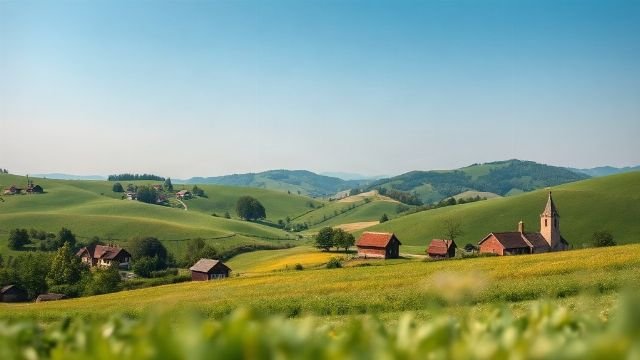
A Visitor's Guide to Romania's Natural Mineral Waters
Romania is home to over 2,000 mineral springs, many of which produce distinctive still and naturally sparkling waters that are a staple of the local dining table.
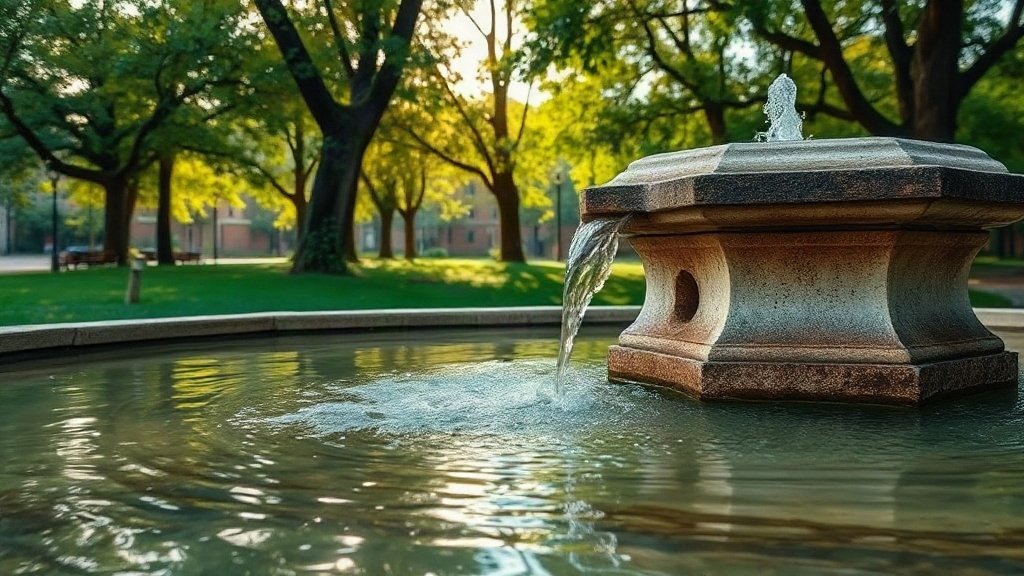
Illustration: AI-generated image
Romania sits on a geological crossroads rich in mineral springs. From the Carpathian foothills to the plains of Wallachia, more than 2,000 documented sources bubble up with waters that have been used for drinking and bathing for centuries. For visitors, this means that a simple glass of water with a meal can be a genuinely local experience. Understanding the country's mineral waters is a practical way to eat and drink like a local.
What Makes Romanian Mineral Waters Special
Unlike plain tap water, Romanian mineral waters contain naturally dissolved minerals such as calcium, magnesium, sodium and bicarbonate. The exact composition varies from spring to spring, which gives each water a distinct taste and mouthfeel. Some are still, while others are naturally carbonated straight from the ground. The most famous regions include the Borsec area in Harghita County, known for lightly mineralised sparkling water, and the volcanic zones around Covasna and Harghita, which yield waters with higher mineral content. Historically, many of these springs became spa towns in the 19th century, and bottled water from these sources is now sold across the country.
At a restaurant, asking for apă plată gets you still water, while apă minerală usually brings a bottle of sparkling or naturally carbonated water. Some places serve only one type, and it is common to be asked whether you want it with or without lemon. The water is rarely served with ice, even in summer; Romanians tend to prefer it cool but not freezing, so the mineral flavour can be appreciated.
How to Enjoy Them with Meals
Mineral water is the default companion to most Romanian meals. Because many traditional dishes are rich, a sparkling water with high bicarbonate content can help cut through the fat of pork, lamb or cheese. A still water with lower mineralisation pairs well with lighter soups and vegetable stews. Locals rarely drink water with sweet desserts, preferring coffee or herbal tea at the end of a meal, but a glass of plain sparkling water can be a refreshing palate cleanser.
If you want to explore further, many spa towns such as Borsec, Băile Tușnad or Băile Herculane have public fountains where visitors can taste the water directly from the source. The taste varies dramatically from one fountain to another, and some have a strong mineral or even slightly salty note. It is a low-cost, memorable way to connect with the country's geology and culinary culture.
When buying bottled water in a shop, look for labels that state the source and mineral content. All bottled waters in Romania must list the amounts of key minerals in milligrams per litre, which makes it easy to compare. For everyday drinking, most Romanians choose waters with moderate mineralisation, while waters with very high sodium or sulphate content are usually reserved for specific health purposes under medical advice.