NATO Chief Urges Civilian Preparedness as Black Sea Tensions Rise
Mark Rutte says societies across the alliance, including Romania, must prepare civilians and infrastructure for a possible conflict with Russia.
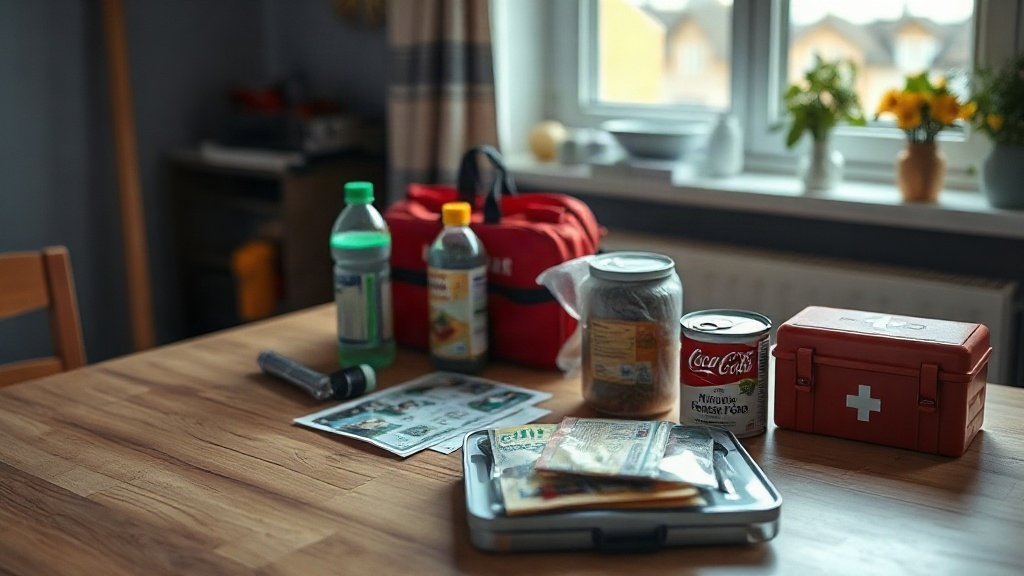
Illustration: AI-generated image
NATO Secretary General Mark Rutte has called on member countries, including Romania, to prepare not just their armed forces but also civilians, businesses and public institutions for the possibility of conflict with Russia. Speaking at the NATO Parliamentary Assembly in Berlin on Sunday, 23 November, Rutte said the Russian military is operating at full capacity and is unlikely to stop even if the war in Ukraine ends.
Rutte said Russia has reoriented a significant part of its economy towards military needs and continues to intensify weapons production. He argued that even if the fighting in Ukraine were to end, the threat to European countries would not automatically disappear. 'We are all targeted, we are all affected when it comes to our pipelines, our cables, our energy networks and our economies,' he added.
He described recent incidents in Poland and the Black Sea as evidence that the term 'hybrid' is too mild for the threats now facing the alliance. 'We are working within NATO together with Romania, Bulgaria and Turkey on them,' Rutte said, referring to serious events in the Black Sea over recent weeks. He also cited a dangerous missile incident in Poland on Friday.
Whole-of-society resilience
Rutte urged allies to follow the example of Norway, Sweden, Denmark and Finland, which have already developed mechanisms to prepare society for crisis situations. He said citizens need to know that lights will stay on, homes will remain heated, and hospitals, transport and communications will continue to function. This is part of what he called resilience and civilian preparedness, supported by continued investment of billions in these areas.
The NATO chief pointed to initiatives such as Operation Baltic Sentry, launched to protect vital undersea infrastructure after a cable was cut between Finland and Estonia at the end of 2024. He also mentioned a new critical energy infrastructure network and advanced cyber technologies to help allies identify vulnerabilities in their cyber defences.
Rutte stressed that resilience is not only a job for NATO and governments, but for the whole of society. 'We need to involve businesses. We need to involve institutions. We need to involve communities. We need to involve citizens,' he said. In countries like Norway and Sweden, citizens have been told what to do in the event of war: at the very least, not to stand in the way of the military, but to be helpful, and to support police, ambulance and fire services whenever possible.
What this means for Romania
For Romania, which shares a Black Sea border and is already part of NATO's enhanced forward presence, Rutte's remarks highlight the importance of civilian readiness in a region that has seen increased military activity. While no specific civil defence measures were announced for Romania, the message is clear: resilience planning is no longer just for the military, but for everyday life.