Sirop de Trandafir: Romania's Fragrant Rose Petal Syrup
Discover how this traditional Romanian homemade syrup is made and the many ways it can be used to flavour drinks and desserts.
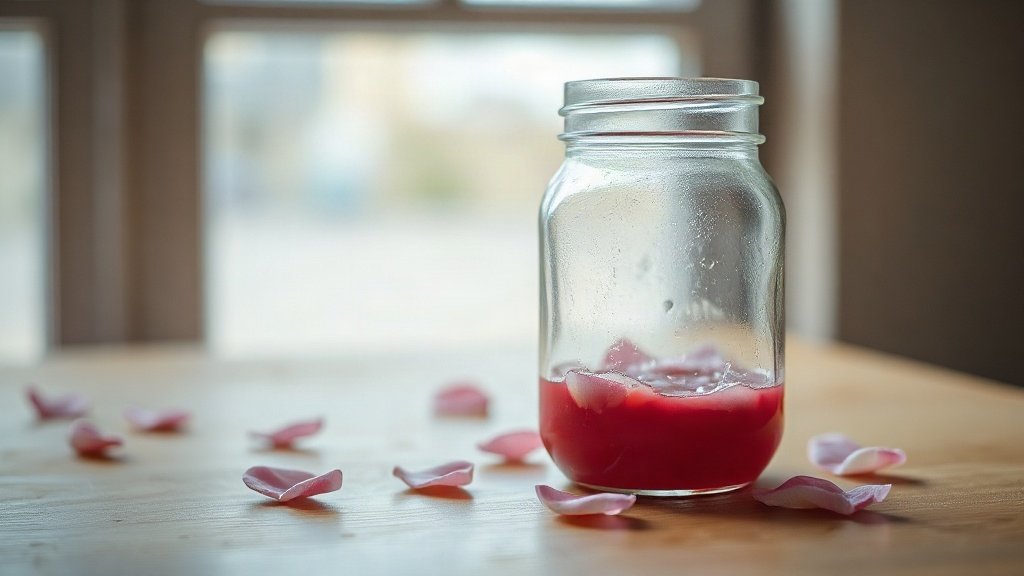
Illustration: AI-generated image
For many Romanians, summer is not complete without a bottle of sirop de trandafir – a fragrant, rose-pink syrup made from fresh rose petals. It is a staple of homemade drinks and a versatile ingredient in sweets, beloved for its delicate floral aroma and natural colour.
What is sirop de trandafir?
Sirop de trandafir translates simply as 'rose syrup'. It is a concentrated sweet liquid infused with the essence of rose petals, traditionally made at home during late spring and early summer when Damask roses and other fragrant varieties are in full bloom. The syrup captures the fleeting scent of the flowers, allowing it to be enjoyed long after the petals have faded.
Unlike commercial rose flavourings, which often rely on artificial extracts, traditional Romanian sirop de trandafir is made with just three ingredients: fresh rose petals, sugar, and water. Sometimes a little lemon juice or citric acid is added to balance the sweetness and help preserve the syrup.
How it is made
The classic method involves layering fresh, unsprayed rose petals with sugar in a clean jar, then leaving the mixture in a warm, sunny spot for several days. The sugar draws out the natural oils and moisture from the petals, creating a thick, intensely perfumed liquid. After straining, the syrup is gently heated to dissolve any remaining sugar and then bottled while hot to ensure it keeps for months.
An alternative approach is to make a simple sugar syrup and steep the petals in it, either hot or cold. Some cooks prefer to simmer the petals briefly for a deeper colour, but prolonged boiling can destroy the delicate fragrance, so a short infusion is usually recommended.
Traditional uses
In Romania, sirop de trandafir is most commonly diluted with cold water or sparkling water to make a refreshing summer drink. A splash of syrup in a glass of icy water turns it into a lightly scented, rose-tinted refreshment that is particularly welcome on hot days.
The syrup is also used to flavour lemonade, tea, and sometimes cocktails. It can be drizzled over desserts such as clătite (thin pancakes), rice pudding, or semolina cake, or mixed into whipped cream for a subtle floral note. A spoonful stirred into plain yoghurt or poured over fresh fruit adds an elegant touch.
Making your own rose syrup
If you have access to unsprayed, fragrant roses, making sirop de trandafir at home is straightforward. Gather about 200 grams of fresh petals, preferably from Damask or other highly scented varieties, and rinse them gently. Layer the petals with 500 grams of sugar in a large jar, pressing down lightly. Cover and leave in a warm place for three to five days, shaking occasionally. The sugar will gradually turn into a thick, rose-coloured liquid.
Strain the syrup through a fine sieve, pressing to extract as much liquid as possible. Add the juice of half a lemon, then heat the syrup just until it begins to simmer. Remove from heat, cool slightly, and pour into sterilised bottles. Store in a cool, dark place; once opened, keep refrigerated.
Tips and variations
Use only petals from roses that have not been treated with pesticides or other chemicals. The best time to pick is in the morning after the dew has dried but before the sun becomes too strong. Remove the white base of each petal, as it can impart a bitter taste.
For a more complex flavour, combine rose petals with a few leaves of lemon balm or a strip of orange zest. Some traditional recipes add a handful of red rose hips to deepen the colour. The finished syrup should be a clear, pale to deep pink, with a pure floral aroma that evokes a Romanian summer garden.