Salată de Icre: Romania's Creamy Fish Roe Spread Explained
Discover salată de icre, the beloved Romanian fish roe spread that turns simple ingredients into a luxurious appetiser.
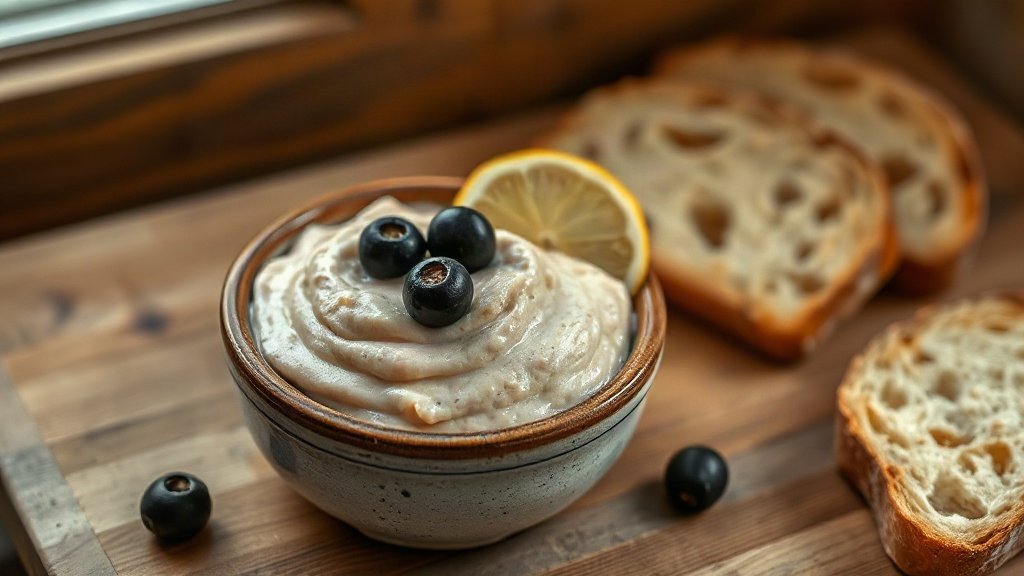
Illustration: AI-generated image
Salată de icre is one of Romania's most elegant yet humble appetisers: a silky, creamy spread made from fish roe, whipped with oil and lemon into a light, mousse-like texture. Found on tables from the Danube Delta to Bucharest, it is a staple of festive meals, Lenten menus, and everyday gatherings. Whether slathered on fresh bread or served alongside crunchy vegetables, this delicacy is a true taste of Romanian hospitality.
What is Salată de Icre?
At its core, salată de icre is an emulsion of fish roe, oil, and lemon juice, similar in technique to mayonnaise but with the distinct briny, delicate flavour of the roe. Traditionally, the roe comes from carp, pike, or other freshwater fish, and the best versions are made with fresh roe, especially during the spring fishing season. To stretch the roe and create a smoother texture, home cooks often add a bit of soaked bread, boiled potato, or even a splash of sparkling water.
The result is a spread that is rich yet airy, with a subtle sea-like tang and a bright citrus note. It is not overly fishy; instead, the roe lends a savoury depth that pairs beautifully with the acidity of lemon. Some recipes include finely chopped onion or a touch of mustard, but purists keep it simple: roe, oil, lemon, and salt.
How It's Made and Served
Making salată de icre at home is a labour of love. The roe is first carefully cleaned to remove any membranes, then blended or whisked while oil is added in a slow, steady stream, just like making mayonnaise. The mixture gradually thickens and turns pale, and then lemon juice is incorporated to brighten the flavour. Some cooks prefer a blender or food processor for speed, while others insist on a hand whisk for the best texture.
Once ready, salată de icre should be chilled for at least an hour to allow the flavours to meld. It is traditionally served in a bowl, often garnished with black olives, lemon slices, or fresh parsley, and accompanied by slices of crusty bread or toast. It also works beautifully as a dip for raw vegetables such as cucumber, peppers, or celery. In many Romanian homes, it is a staple on the Christmas or Easter table, but it is equally welcome on a casual summer evening with a glass of cold white wine.
Enjoying Salată de Icre Like a Local
For visitors to Romania, salată de icre is a must-try. Look for it on the menus of traditional restaurants, especially those specialising in fish dishes, where it may be served as a starter or part of a mixed appetiser platter. In the Danube Delta, where fresh roe is abundant, you might find versions made from pike or carp that are particularly vibrant.
If you want to recreate the experience at home, start with pasteurised roe from a good fishmonger or a jar from a Romanian grocery, then follow a simple recipe. The key is patience with the oil, so the mixture emulsifies properly. Pair your creation with a rustic loaf, a few pickles, and perhaps a crisp Fetească Albă or a dry Riesling for a truly Romanian feast. Whether enjoyed as a simple snack or as part of a larger spread, salată de icre is a culinary gem that captures the essence of the country's love for fresh, honest food.