Composting in a Romanian Apartment: A Practical Guide
Even without a garden, you can turn kitchen scraps into nutrient-rich compost for houseplants or balcony containers. Here are three methods that work well in small Romanian flats.
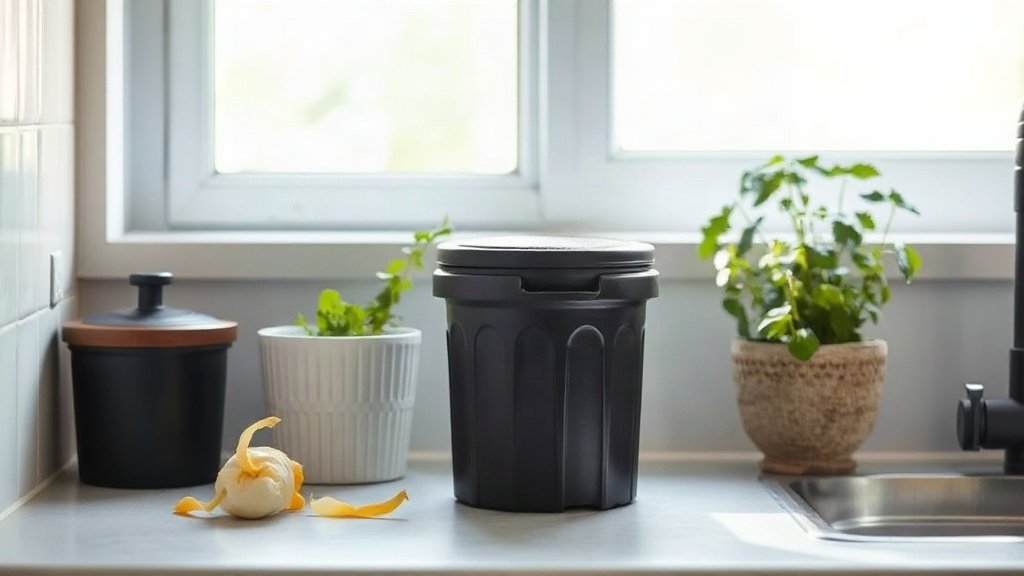
Illustration: AI-generated image
Apartment living in Romania often means no garden and little outdoor space, but that doesn't mean kitchen scraps must go to waste. Composting indoors is perfectly possible with the right method, and it rewards you with a free, rich soil amendment for houseplants, balcony pots, or even to share with friends who have gardens.
Why compost in an apartment?
Food waste makes up a large part of household rubbish. Composting reduces the amount sent to landfill and produces something useful. In a flat, the main concerns are odour, space, and pests. All three can be managed by choosing the right system and following a few simple rules.
Worm composting (vermicomposting)
Worm composting uses special composting worms, usually Eisenia fetida, to break down vegetable scraps. A small worm bin can fit under the kitchen sink or on a balcony in mild weather. Start with a ventilated plastic or wooden box, add moist bedding such as shredded newspaper or coconut coir, then introduce the worms.
Feed them chopped fruit and vegetable peelings, coffee grounds, tea bags, and crushed eggshells. Avoid meat, dairy, oily food, citrus in large amounts, and anything salty or spicy. Keep the bin moist but not wet, and harvest the dark, crumbly castings every few months. A healthy worm bin has an earthy smell, not a rotten one.
Bokashi fermentation
Bokashi is a Japanese method that ferments kitchen waste, including cooked food, meat, and dairy, in an airtight container using a special bran inoculated with beneficial microbes. You add scraps in layers, sprinkle the bran, and press down to remove air. After about two weeks, the contents are pickled and can be buried in soil or added to a traditional compost pile.
This method is excellent for small flats because the bucket is sealed and produces little smell. The liquid that drains off can be diluted and used as a plant fertiliser. The only downside is that you need to buy or make the bokashi bran, and the fermented waste must eventually be buried or given to someone with outdoor space.
Small electric composters
Electric composters use heat and grinding to dry and break down food scraps into a crumbly material. They are quick, odour-free, and can handle most food waste, but they use electricity and the end product is not true compost until it has had time to mature in soil. Still, for someone who values convenience and has no outdoor space, they are a practical option.
Getting started
Choose the method that fits your lifestyle, budget, and space. Start small, and pay attention to what works. Balance wet, nitrogen-rich scraps with dry, carbon-rich material like shredded paper or dry leaves to prevent smells and fruit flies. Keep the bin out of direct sunlight, and if you use a balcony, bring the worms indoors during the cold Romanian winter.
Composting indoors is a quiet, satisfying way to reduce waste and connect with the cycle of food. Even a few litres of finished compost each month can keep your houseplants thriving.