Starting a Rural Guesthouse in Romania: A Step-by-Step Guide
Dreaming of running a cosy guesthouse in the Carpathians? Here's what you need to know about turning that dream into a legal, welcoming reality.
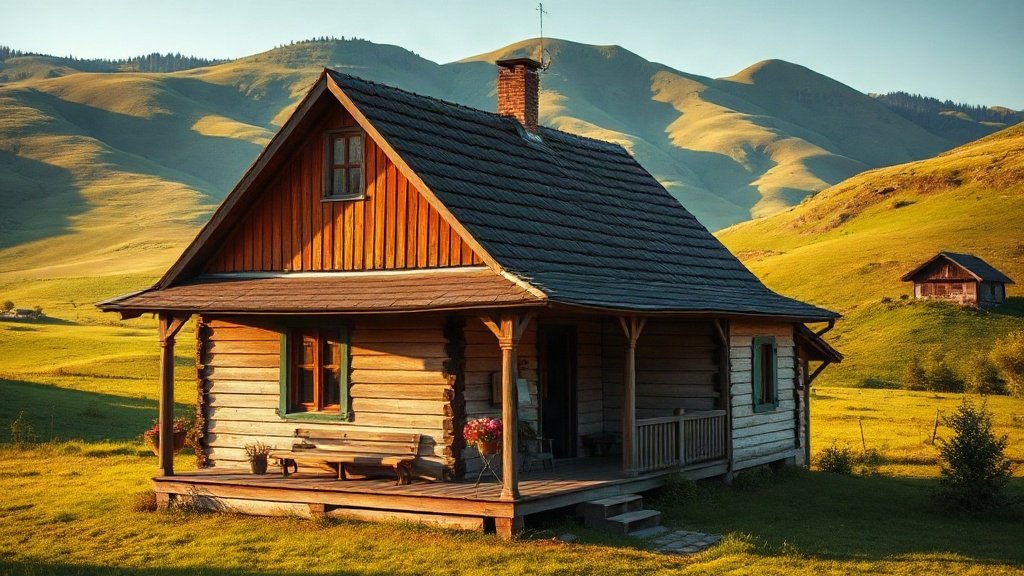
Illustration: AI-generated image
Romania's countryside is dotted with villages where time seems to slow down, and more travellers than ever are seeking that authentic experience. If you've ever thought about opening a guesthouse in a Transylvanian Saxon village, a Maramureș hamlet, or a Bucovina landscape, you're not alone. Rural tourism is a growing sector, and with the right preparation, it can be a rewarding small business.
Choose the right legal form
The first step is to decide on a business structure. Most small guesthouse owners opt for a limited liability company (SRL) or a sole trader registration (PFA). An SRL offers limited liability and is often preferred if you plan to hire staff or seek funding. A PFA is simpler and cheaper to set up, but you are personally liable for business debts. You'll need to register with the National Trade Register Office (ONRC), obtain a unique registration code (CUI), and register for VAT if your turnover exceeds the legal threshold.
Understand guesthouse classification
In Romania, tourist accommodation must be classified by the Ministry of Tourism. Guesthouses (pensiuni) are rated from one to five daisies, similar to hotel stars. The classification process involves meeting specific criteria for room size, facilities, services, and safety. You'll need to submit documentation about your property, including floor plans, proof of ownership or lease, and certificates for fire safety and public health. The classification is valid for a set period and must be renewed.
Secure the necessary permits
Beyond business registration, you'll need a construction or renovation permit if you're building or significantly altering a property. You'll also need authorisations from the local public health directorate, the fire department, and possibly the environmental agency, depending on your location. If you plan to serve food, you'll need additional food safety approvals. It's wise to consult with a local architect or legal advisor who understands rural regulations.
Find the perfect property
Location is everything. Look for villages with existing tourism infrastructure, such as marked trails, cultural attractions, or proximity to UNESCO sites. Traditional houses with character often make the best guesthouses, but they may require substantial renovation to meet modern comfort and safety standards. Check zoning laws: some rural areas have restrictions on commercial use of residential buildings. Buying an already classified guesthouse can save time, though it may cost more.
Create a memorable experience
Guests choose rural guesthouses for authenticity. Highlight local traditions: offer home-cooked meals with regional recipes, organise craft workshops, or arrange guided walks with a local storyteller. Simple touches like fresh flowers, homemade jam at breakfast, and a warm welcome go a long way. Sustainability matters too—many travellers prefer eco-friendly practices, so consider solar panels, rainwater harvesting, or organic gardens.
Market your guesthouse online
A strong online presence is essential. List your property on international booking platforms, but also build your own website with beautiful photos and clear information. Social media, especially Instagram and Facebook, can showcase your guesthouse to a global audience. Engage with travel bloggers and offer special packages for off-season months. Word-of-mouth remains powerful, so encourage guests to leave reviews.
Plan for seasonality
Romanian rural tourism is often seasonal, with peaks in summer and around winter holidays. Plan your finances to cover quieter months. Consider offering special events like harvest festivals, Christmas markets, or wellness retreats to attract guests year-round. Diversifying income—such as selling local products or hosting workshops—can help smooth cash flow.