How to Make Sarmale: Romania’s Beloved Stuffed Cabbage Rolls
Sarmale are the centrepiece of Romanian festive tables and a year-round comfort food. This step-by-step guide shows how to make them the traditional way, from sour cabbage leaves to slow-cooked rolls.
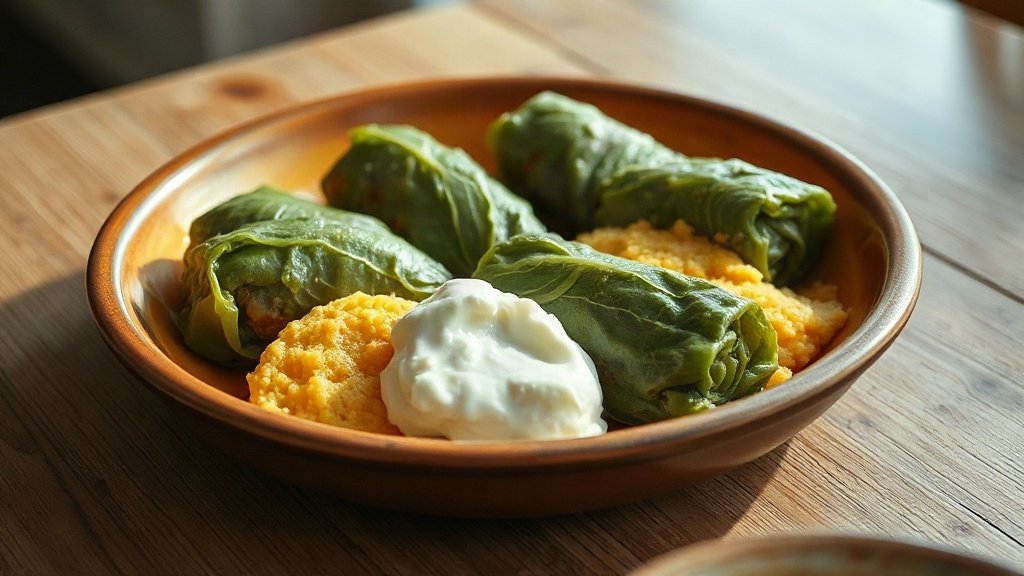
Illustration: AI-generated image
Sarmale are more than just a dish in Romania; they are a symbol of hospitality, family gatherings and the winter holidays. These tender rolls of minced meat and rice wrapped in fermented cabbage leaves appear on almost every festive table, but Romanians also enjoy them all year round. Making sarmale at home is a slow, rewarding process that fills the kitchen with a deep, savoury aroma. Here is how to prepare them in the traditional way.
What makes sarmale special
The key to authentic sarmale is the sour cabbage leaf. In Romania, whole cabbages are fermented in brine for several weeks, giving the leaves a tangy flavour and soft, pliable texture. If you cannot find fermented cabbage, you can use fresh cabbage leaves that have been blanched and then soured with a little vinegar or sauerkraut juice, though the result will be milder. Some regional variations use vine leaves instead, especially in spring and summer.
The filling is usually a mixture of minced pork and beef, cooked rice, finely chopped onions, tomato paste and herbs such as thyme and dill. Smoked meat, like bacon or smoked ribs, is often layered between the rolls to add richness. The sarmale are then slow-cooked in a tomato-based sauce, often with bay leaves and peppercorns, until the cabbage is meltingly tender.
Ingredients and variations
A traditional batch might include around one kilogram of minced meat, a cup of rice, two or three onions, tomato paste, herbs and a whole sour cabbage head. Some cooks add a little smoked paprika or a spoonful of sour cream to the filling for extra depth. Vegetarian versions replace the meat with mushrooms, walnuts and extra rice, and are just as popular during fasting periods.
If you are short on time, many Romanian households prepare the rolls in advance and freeze them uncooked. On the day, they are simply placed in a pot with the sauce and simmered gently for two to three hours. The longer they cook, the better they taste, and leftovers often improve overnight.
How to make sarmale step by step
- Prepare the cabbage: Carefully separate the fermented cabbage leaves and rinse them if they are very salty. Cut out the thick central rib from each leaf to make rolling easier. If using fresh cabbage, blanch whole leaves in boiling water for a few minutes until pliable.
- Make the filling: Sauté finely chopped onions in a little oil until soft. Mix the onions with minced meat, cooked rice, tomato paste, herbs, salt and pepper. Add a splash of water if the mixture feels too stiff.
- Roll the sarmale: Place a spoonful of filling near the base of each leaf, fold the sides over the filling, then roll tightly into a neat cylinder. Do not overfill, as the rice will expand slightly during cooking.
- Layer the pot: Line the bottom of a large pot with a few cabbage leaves or chopped sauerkraut to prevent sticking. Arrange the rolls in tight layers, placing pieces of smoked meat or bacon between them if desired.
- Add the sauce: Mix tomato paste with water or stock, season with bay leaves, peppercorns and a little thyme, and pour over the rolls until they are just covered.
- Cook slowly: Bring to a gentle simmer, then reduce the heat to low, cover and cook for two to three hours. Check occasionally and add a little water if the sauce reduces too much.
Serving and storing
Sarmale are traditionally served hot with a generous spoonful of smântână, a dollop of sour cream, and a side of mămăligă, Romania’s comforting polenta. A slice of fresh bread and a few pickled hot peppers complete the plate. Leftovers keep well in the fridge for up to five days and can be reheated gently on the stove or in the oven.
Making sarmale is a labour of love, but the result is a dish that brings people together and carries the taste of Romanian home cooking across generations.