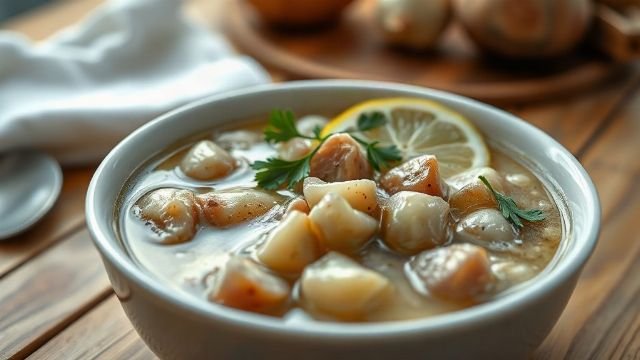
How to Make Mămăligă: Romania's Comfort Food Staple
Golden, creamy and endlessly versatile, mămăligă is Romania's answer to polenta. Learn the traditional method and the best ways to serve it at home.
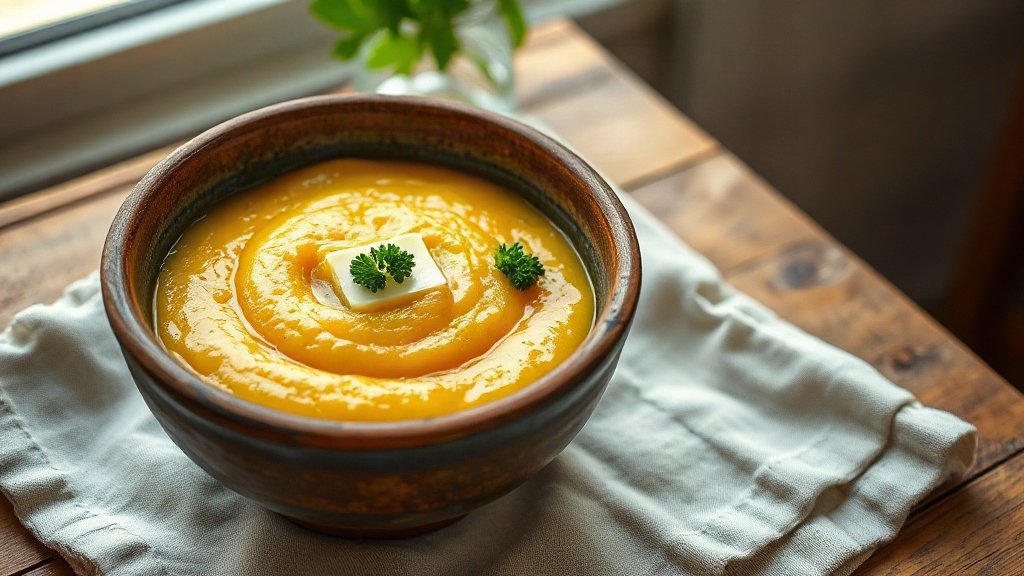
Illustration: AI-generated image
Mămăligă is Romania’s answer to polenta – a golden, cornmeal-based dish that has been a cornerstone of home cooking for centuries. While Italian polenta is often served soft and creamy, Romanian mămăligă is typically cooked to a firmer, sliceable consistency. It is served as a base for stews, topped with cheese and sour cream, or enjoyed simply on its own with a knob of butter.
The dish is so central to Romanian food culture that there is even a saying: “Mămăliga nu explodează” (“polenta does not explode”), meaning that simple, humble things are reliable. Many families still make it several times a week, and it is a common feature on restaurant menus, especially in the countryside.
The basics of making mămăligă
At its core, mămăligă requires just three ingredients: cornmeal, water and salt. The cornmeal should be medium or coarsely ground – fine cornmeal will produce a mushy result. A classic ratio is about one part cornmeal to three or four parts water, but this can be adjusted depending on the desired thickness.
Start by bringing salted water to a rolling boil in a heavy-bottomed pot. Reduce the heat to medium-low, then gradually pour in the cornmeal in a thin, steady stream, whisking constantly to prevent lumps. Once all the cornmeal is incorporated, switch to a wooden spoon and continue stirring. The mixture will thicken and begin to pull away from the sides of the pot after about 20 to 30 minutes.
For a traditional touch, some cooks add a little oil or butter at the end for extra silkiness. Once ready, the mămăligă can be turned out onto a wooden board to set, then sliced with a string or knife. Alternatively, serve it soft and spoonable straight from the pot.
How to serve it
The most iconic pairing is mămăligă with brânză de burduf or telemea (Romanian sheep’s milk cheeses) and a generous dollop of smântână (sour cream). This combination is so beloved that it has its own name: mămăligă cu brânză și smântână. It works as a light lunch or a substantial side dish.
Mămăligă is also the traditional bed for sarmale (cabbage rolls), and it soaks up the rich tomato sauce beautifully. It is commonly served with fried fish, onion-based stews like tochitură, or even a simple fried egg. For a hearty breakfast, some Romanians eat leftover mămăligă fried in a pan until crispy, then topped with cheese or honey.
Leftover mămăligă can be refrigerated and reheated, but it is also excellent cold, sliced and grilled. Because it is naturally gluten-free and vegetarian, it suits many diets, and its low cost makes it a practical staple for anyone living in Romania.
If you are new to making mămăligă, do not be discouraged by the stirring – it is the key to a smooth, lump-free result. Use a sturdy wooden spoon, keep the heat moderate, and taste for salt before serving. Once you master the technique, you will have a versatile base for countless Romanian meals.