How to Understand Romanian Superstitions: A Guide for Newcomers
From the evil eye to knocking on wood, learn the folk beliefs that shape everyday life in Romania.
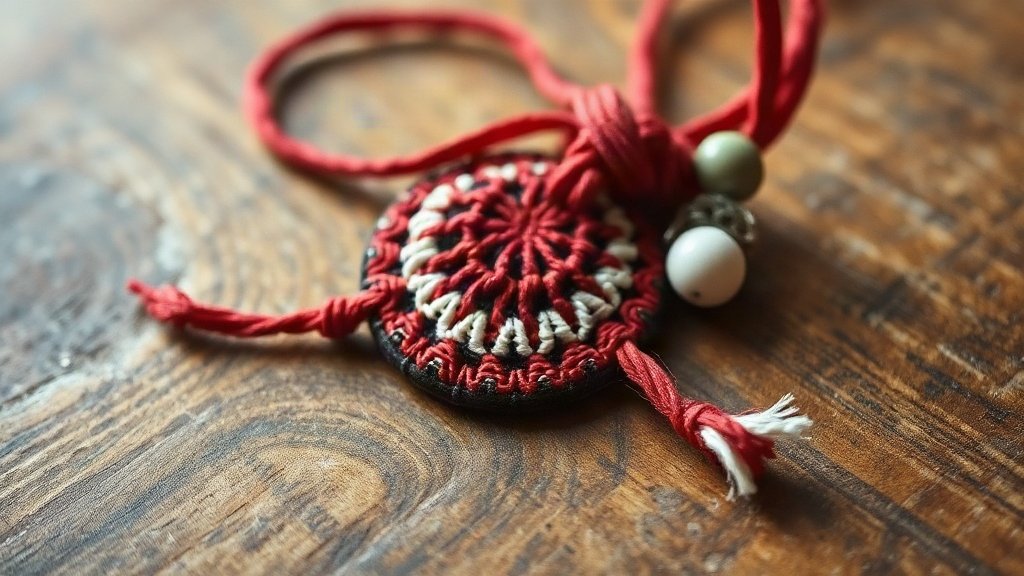
Illustration: AI-generated image
Romania is a country where ancient beliefs quietly coexist with modern life. Even in bustling cities, many people still follow superstitions that have been passed down for generations. For newcomers, understanding these folk beliefs can help avoid unintended faux pas and build warmer connections with neighbours and colleagues. This guide introduces some of the most common Romanian superstitions and explains how they shape everyday interactions.
The Evil Eye (Deochi)
One of the most widespread beliefs is in the evil eye, known as deochi. It is thought that a person can unintentionally cause harm—especially to children, animals, or good fortune—simply by looking at them with envy or excessive praise. To protect against it, Romanians may tie a red thread around a child's wrist, pin a small charm to clothing, or discreetly make a sign of the cross. If someone suspects they have been affected, a traditional remedy involves a healer reciting a prayer while holding a needle over a glass of water. As a guest, if you admire a baby or a new possession, you may hear the phrase să nu-l deochi ("don't give it the evil eye")—a light-hearted reminder to wish well rather than envy.
Flowers and Numbers
When giving flowers in Romania, the number matters. Always give an odd number of blooms for happy occasions such as birthdays, name days, or visits. Even numbers are reserved for funerals and memorials. This rule applies to bouquets, so if you pick up a ready-made bunch, check that the count is odd. Similarly, the number 13 is considered unlucky in many contexts, while 12 is seen as complete and safe. Some apartment blocks skip the 13th floor, and Friday the 13th is treated with extra caution.
Everyday Habits and Customs
Several superstitions relate to daily activities:
- Whistling indoors is believed to bring poverty or "whistle away" your money. If you find yourself whistling in someone's home, you may get a playful rebuke.
- Spilling salt predicts an argument; to counteract it, throw a pinch of salt over your left shoulder.
- Knocking on wood (a bate în lemn) is used to ward off bad luck after mentioning something good—just like in many Western cultures.
- Itchy palms have meaning: an itchy right palm means you will receive money, while an itchy left palm means you will lose it.
- Crossing a black cat's path is seen as an omen of bad luck, though some say you can neutralise it by taking three steps backwards.
- Passing over the threshold: It is considered unlucky to shake hands or pass objects over the threshold of a door. Step inside or outside fully before greeting or handing something over.
New Year and Occasional Superstitions
On New Year's Eve, many Romanians follow specific rituals to ensure prosperity: wearing red underwear, eating 12 grapes at midnight, and making loud noises to scare away evil spirits. On St Andrew's Night (29–30 November), unmarried people may perform divination rituals to dream of their future spouse. During Christmas, carollers are welcomed with treats, and some families place a fish scale in their wallet for wealth in the coming year.
What This Means for You
You don't need to adopt these beliefs, but being aware of them shows respect for local culture. If a Romanian friend tells you not to whistle indoors or to avoid giving an even number of flowers, take it as friendly guidance rather than criticism. Observing these small customs—like knocking on wood or not handing items across a threshold—can help you blend in and avoid awkward moments. When in doubt, ask. Most Romanians are happy to explain their traditions, and you'll find that these shared superstitions are a charming window into the country's rich folklore.