Drob de Miel: Romania's Traditional Easter Lamb Loaf Explained
Learn about drob de miel, Romania's savoury lamb and herb terrine that takes centre stage at Easter meals.
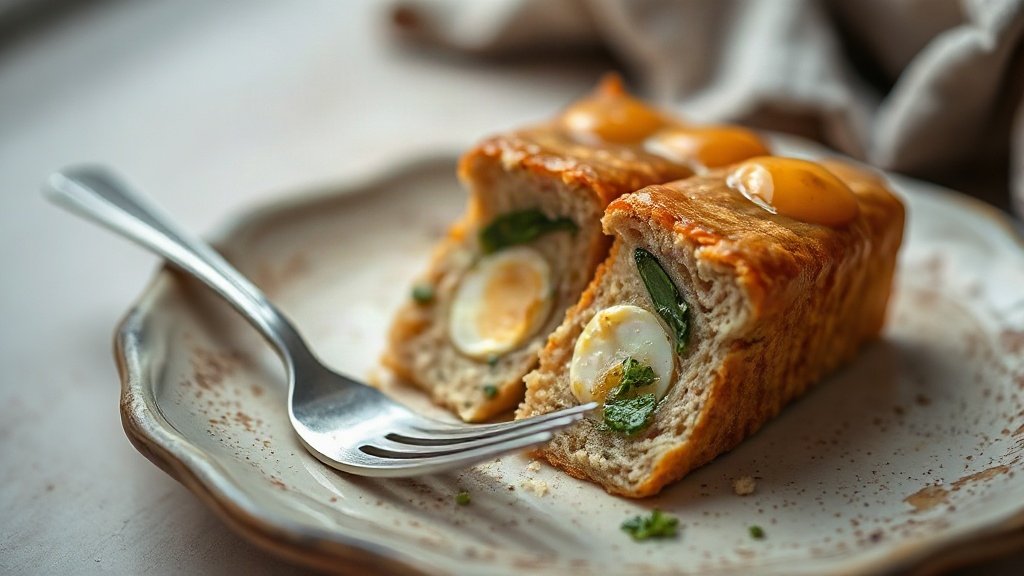
Illustration: AI-generated image
Romania’s Easter table is a showcase of springtime flavours, and among the roasted lamb and painted eggs, one dish often steals the show: drob de miel. This savoury lamb and herb terrine, sometimes described as a Romanian-style haggis or meatloaf, is a beloved centrepiece of the Orthodox Easter feast.
What is drob de miel?
Drob de miel is a traditional Romanian dish made from lamb offal – typically the liver, heart, and lungs – combined with fresh herbs, spring onions, eggs, and sometimes bread soaked in milk. The mixture is tightly wrapped in caul fat (prapure) or, more commonly today, baked in a loaf tin lined with pastry or simply greased. The result is a firm, sliceable terrine with a rich, earthy flavour that celebrates the whole animal.
The dish is deeply tied to the Easter season, when lamb is traditionally consumed to mark the end of Lent and the resurrection. In rural communities, nothing goes to waste, and drob is a way to honour the animal by using every part. While recipes vary from family to family, the core ingredients remain consistent.
Key ingredients and preparation
The essential components of drob de miel are:
- Lamb offal: liver, heart, and sometimes lungs or kidneys, finely chopped or minced.
- Fresh herbs: abundant green onions, dill, and parsley, which give the dish its bright, springlike character.
- Eggs: both raw eggs for binding and hard-boiled eggs placed whole in the centre for a decorative cross-section.
- Bread or breadcrumbs: soaked in milk or water to add moisture and lightness.
- Seasonings: salt, pepper, and sometimes a pinch of allspice or nutmeg.
Traditionally, the offal is boiled or lightly sautéed before being minced, then mixed with the herbs, soaked bread, and beaten eggs. The mixture is placed in a baking dish, often lined with caul fat or a thin pastry, and baked until set. Hard-boiled eggs are often nestled in the middle, so each slice reveals a beautiful white and yellow centre.
Variations across Romania
Like many traditional recipes, drob de miel has regional twists. Some cooks add cooked rice instead of bread, others include sautéed mushrooms or even a splash of white wine. In some households, the drob is wrapped entirely in caul fat and roasted, giving it a crisp exterior. A vegetarian version made with mushrooms and vegetables has also gained popularity during fasting periods.
Another common variant replaces the lamb offal with chicken livers or even a mixture of pork and beef, making the dish more accessible outside the Easter season. However, the classic lamb version remains the most authentic and sought-after.
How to serve drob de miel
Drob de miel is typically served cold or at room temperature, sliced thickly like a pâté or terrine. It is a staple of the Easter lunch, alongside painted eggs, cozonac, and fresh spring salads. Leftovers are excellent in sandwiches or as part of a meze platter. Its robust flavour pairs well with a glass of dry Romanian white wine, such as Fetească Albă or a crisp rosé.
For those with a taste for adventure, drob de miel is a delicious introduction to Romania's nose-to-tail culinary heritage, and a reminder that tradition often tastes best when shared.