How to Open a Bank Account in Romania: A Practical Guide for Newcomers
Opening a Romanian bank account is a key step for expats and residents. Here’s what to expect, from documents to everyday banking.
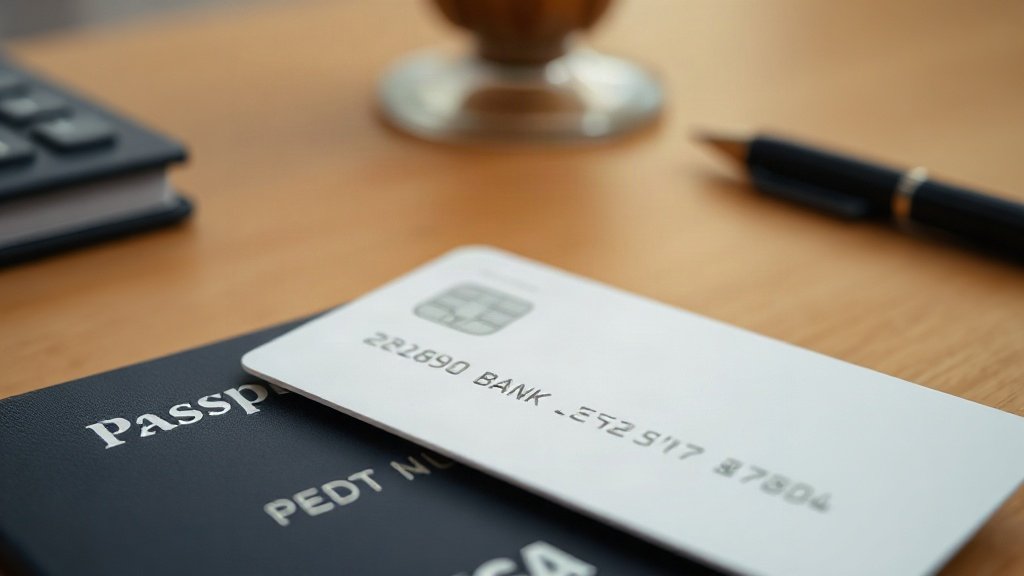
Illustration: AI-generated image
If you’re planning to live, work, or study in Romania, a local bank account will make everyday life much easier. You’ll need one to receive a salary, pay utility bills, or even get a mobile phone contract. The process is not complicated, but knowing what to expect can save you time and frustration.
Why you need a Romanian bank account
Many employers in Romania pay salaries directly into a bank account, and some landlords prefer rent payments by bank transfer. Utility providers often offer discounts for paying by direct debit, and having a local account avoids foreign transaction fees when you use a card or withdraw cash.
Types of accounts available
Most banks offer current accounts (cont curent) in Romanian lei (RON) and sometimes in euros or other currencies. A basic current account usually comes with a debit card and online banking access. Some banks also offer savings accounts, but for everyday use, a current account is sufficient.
Documents you’ll need
To open an account, you typically need to provide:
- A valid passport or national ID card (for EU citizens).
- Proof of address in Romania, such as a rental contract or utility bill in your name.
- Your Romanian personal numerical code (CNP), which is issued when you register your residence.
- Sometimes, proof of income or employment, though many banks do not require this for a basic account.
Non-EU citizens may also need to show their residence permit or visa. Requirements can vary slightly between banks, so it’s wise to check in advance.
Choosing a bank
Romania has a wide range of banks, from large international groups to local institutions. When comparing options, look at monthly account fees, ATM withdrawal charges, and the availability of English-speaking staff or online banking in English. Many banks offer basic accounts with no monthly fee if you meet certain conditions, such as receiving a regular salary.
The opening process
You can usually open an account by visiting a branch in person. Some banks also allow you to start the process online, but you will likely need to visit a branch to verify your identity and sign documents. The whole process often takes less than an hour. You will receive your debit card by post within a few days, or you may be able to pick it up at the branch.
Using your account day to day
Once your account is active, you can use your card at shops, restaurants, and ATMs throughout Romania. Online banking is standard, and most banks have mobile apps for checking balances, making transfers, and paying bills. Contactless payments are widely accepted, and you can link your card to digital wallets like Apple Pay or Google Pay.
Practical tips for newcomers
- Always keep your bank informed of any change of address or contact details.
- Be aware that some banks charge a fee for withdrawing cash from ATMs of other banks, but many have their own network with free withdrawals.
- If you need to transfer money internationally, compare exchange rates and fees, as they can vary significantly.
- Consider setting up direct debits for regular bills to avoid late payment fees.
Opening a bank account in Romania is a straightforward step that will help you settle in and manage your finances with ease.