How to Celebrate Orthodox Easter in Romania: A Guide to Traditions and Food
Discover the rich traditions of Orthodox Easter in Romania, from painting red eggs to sharing pasca with family, and learn how to take part respectfully.
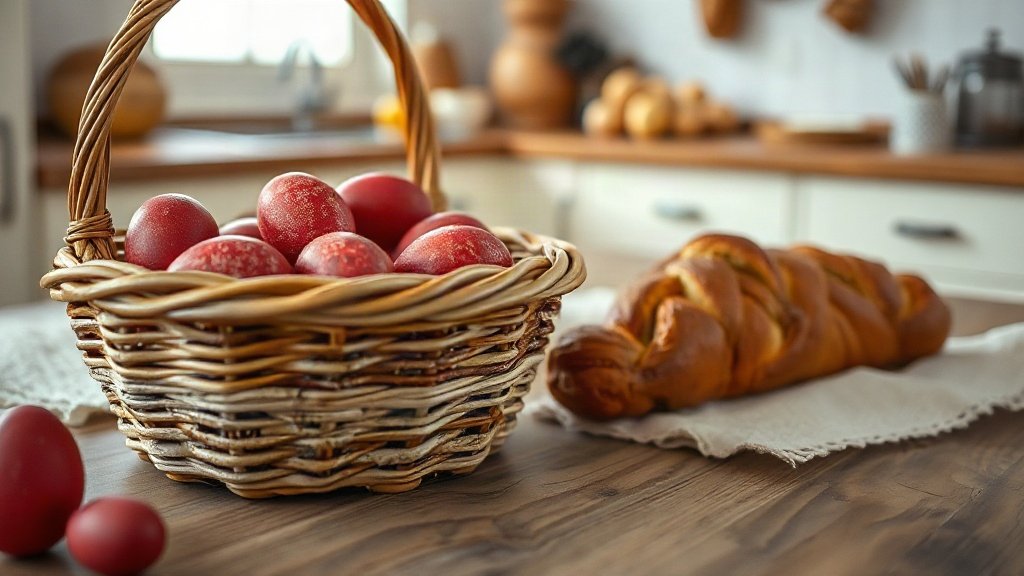
Illustration: AI-generated image
Orthodox Easter, or Paște, is the most important celebration in the Romanian religious calendar. Unlike many Western countries, Romania follows the Julian calendar for Easter, meaning the date usually falls one to five weeks after the Catholic or Protestant observance. The holiday blends deep religious meaning with joyful family customs that have been passed down for generations. Whether you are living in Romania or visiting during this special time, understanding the traditions will help you take part respectfully and fully.
Preparing for Easter: Lent and Cleaning
The Easter season begins long before the holiday itself. For the forty days of Lent, many Romanians fast from meat, dairy, and sometimes fish, following Orthodox tradition. Even those who do not fast strictly will often give up something as a sign of self-discipline. In the week before Easter, known as Holy Week, homes are thoroughly cleaned from top to bottom. It is a time to wash windows, air out rugs, and prepare the house for the celebration. Many families also plant wheat grass or basil in small pots, symbolising new life.
Painting Eggs: The Symbol of New Life
One of the most beloved Easter customs is painting eggs. While coloured eggs are common across many cultures, in Romania the dominant colour is red, representing the blood of Christ. Traditionally, eggs are boiled with onion skins or natural dyes from plants to achieve rich, deep colours. On Good Friday, families gather to paint the eggs, often decorating them with intricate patterns using wax-resist techniques. These painted eggs, called ouă încondeiate, are displayed as a centrepiece and given as gifts. Children especially enjoy the process, and it is a wonderful activity for visitors to try.
Holy Week and the Midnight Service
Holy Week is marked by daily church services that increase in solemnity. On Good Friday, the Epitaphios, a cloth depicting the burial of Christ, is carried in procession around the church. On Saturday night, the most important moment arrives: the Resurrection service. Crowds gather outside churches, each person holding a candle. At midnight, the priest announces “Hristos a înviat!” (Christ is risen), and the light is passed from candle to candle until the whole congregation is illuminated. After the service, people carefully carry their lit candles home, a symbol of bringing the light of Christ into their lives.
Traditional Easter Foods
After the long fast, the Easter table is laden with rich, festive dishes. The centrepiece is pasca, a sweet bread filled with creamy cheese and raisins, often baked with a cross on top. Another staple is drob, a savoury loaf made from lamb organs, herbs, and boiled eggs, wrapped in caul or pastry. Roast lamb is the main course, and red eggs are always present. Other common dishes include cozonac, a sweet braided bread, and salată de boeuf, a mayonnaise-based salad. No Easter table is complete without a glass of red wine and a toast to the risen Christ.
Easter Sunday Customs: Greetings and Egg Tapping
On Easter Sunday morning, families attend the Divine Liturgy and then return home for the feast. When greeting someone, instead of the usual “hello,” Romanians say “Hristos a înviat!” and the response is “Adevărat a înviat!” (Truly He is risen). This greeting is used throughout the Easter season, which lasts until Ascension Day. Another beloved custom is ciocnirea ouălor, or egg tapping. Two people hold their red eggs and tap them together; the one whose egg does not crack is said to have good luck for the coming year. It is a fun, competitive tradition that brings laughter to the meal.
If you are invited to a Romanian home for Easter, bring a small gift such as flowers, a bottle of wine, or painted eggs. Dress modestly for church services, and follow the lead of those around you when lighting candles or taking communion. By embracing these traditions, you will experience a deeply meaningful and joyful celebration that lies at the heart of Romanian life.