How to Celebrate Sânziene: Romania's Midsummer Flower Festival
Discover the traditions of Sânziene, Romania's enchanting midsummer celebration, and learn how to join in with flower crowns, bonfires and folk dancing.
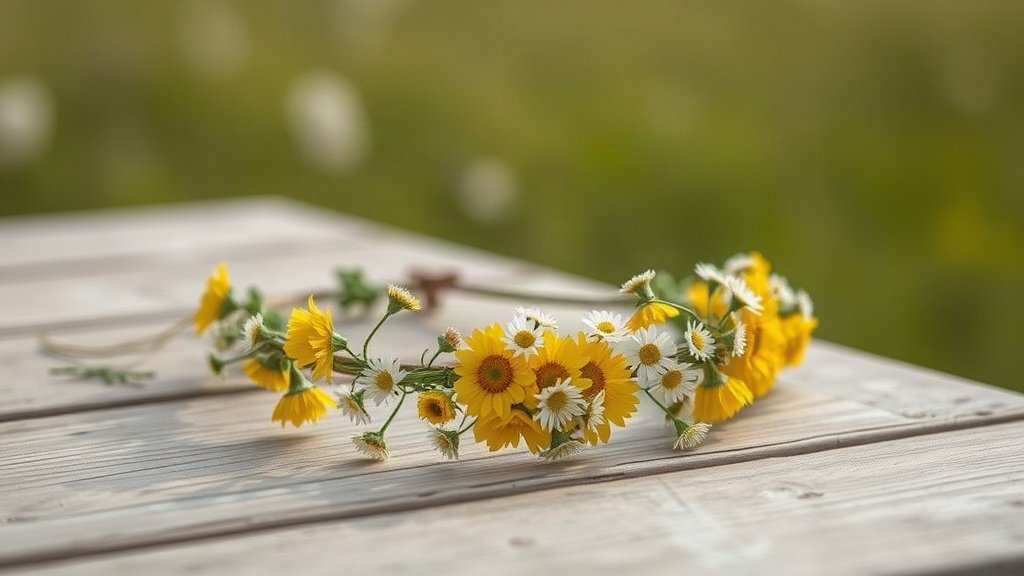
Illustration: AI-generated image
Sânziene, celebrated on 24 June, is one of Romania's most poetic folk traditions. Rooted in pre-Christian summer solstice rites and later linked to the Feast of St John the Baptist, it marks the height of summer and the ripening of nature. For visitors and newcomers, it offers a rare glimpse into authentic rural customs that have survived for centuries.
The festival takes its name from the Sânziene — gentle fairy-like beings said to dance through the fields on this night, blessing crops and healing the sick. In many villages, people believe that if you walk through meadows at dawn on 24 June, the Sânziene will grant you good luck for the year ahead.
Traditional customs and what to expect
The most visible symbol of Sânziene is the flower crown. On the eve of the festival, women and girls gather wildflowers — especially yellow bedstraw (Galium verum), known locally as sânziană, which gives the celebration its name. They weave the flowers into wreaths and wear them as crowns, sometimes dancing in a circle around a bonfire. After the festivities, many throw their crowns onto the roofs of houses. According to tradition, if the crown stays on the roof, the woman will marry within the year; if it falls, she will wait longer.
In some regions, men light torches and spin them in circles, symbolising the sun's power. Young people may jump over bonfires, a custom shared with many European midsummer festivals. Farmers also hang sânziene flowers on gates and stables to protect livestock and ensure a good harvest.
How to participate respectfully
If you are in Romania around 24 June, you can join in without being intrusive. The best way is to visit a village that still keeps the tradition — Maramureș, Bucovina, and parts of Transylvania are known for lively Sânziene celebrations. Ask locally or check community noticeboards for public events; many are free and open to all.
Wear comfortable clothes suitable for walking in fields. If you want to make your own flower crown, gather yellow bedstraw, daisies, cornflowers, or any wild meadow flowers. Avoid picking rare or protected species, and never take flowers from someone's garden without permission. A simple crown of bedstraw is authentic and easy to weave: take three long stems, braid them loosely, then twist the ends together to form a circle.
The deeper meaning
Beyond the joy of flowers and fire, Sânziene is a moment of connection with nature and community. It marks the turning point of the year — after the longest day, nights slowly lengthen. In Romanian folklore, it is also a time when the boundary between worlds is thin, and people should avoid walking alone after dark, as the Sânziene may lead you astray. This mix of celebration and caution gives the festival its unique charm.
For anyone living in or visiting Romania, observing Sânziene offers a simple, meaningful way to engage with local culture. You do not need to be religious or superstitious; you only need an open heart and a handful of wildflowers.