Turning Romanian Folk Crafts into a Profitable Business
Romania’s rich craft heritage—pottery, woodcarving, textiles and painted eggs—offers a distinctive foundation for a business that blends tradition with modern entrepreneurship.
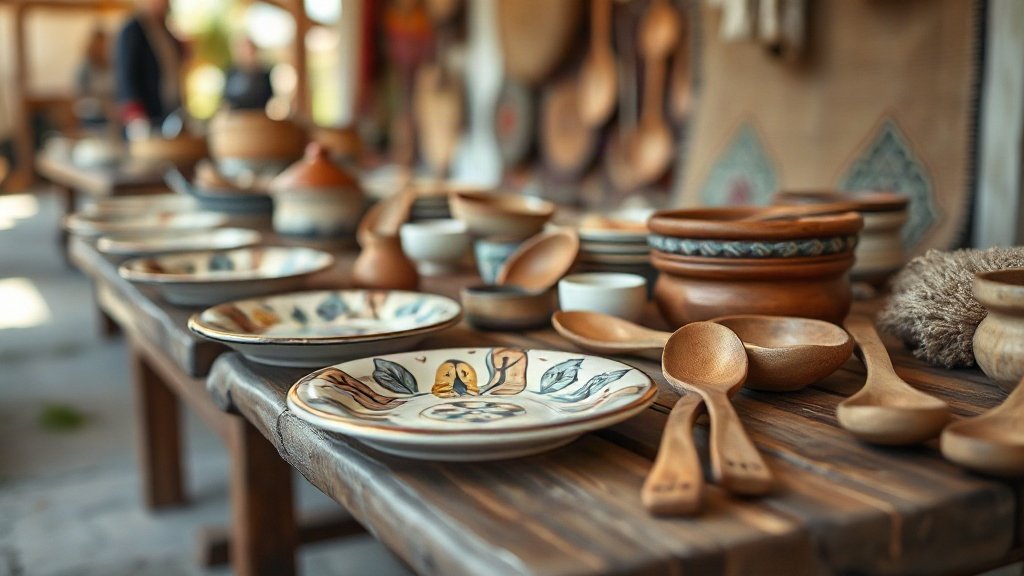
Illustration: AI-generated image
Romania’s folk crafts are more than cultural treasures; they are viable business opportunities. From the Horezu ceramics of Oltenia to the woodcarvings of Maramureș and the painted eggs of Bucovina, the country’s artisanal traditions have global appeal. For entrepreneurs, turning these crafts into a profitable venture requires a blend of respect for heritage and smart business strategy.
Understanding the Market
The first step is to identify which crafts resonate with buyers. Hand-painted ceramics, woven rugs, embroidered blouses (ii), and carved wooden objects are particularly sought after. Tourists and international customers value authenticity and craftsmanship. Research local and online demand, and consider niche markets such as home décor, fashion accessories or corporate gifts.
Sourcing Authentic Products
Building relationships with local artisans is key. Villages like Horezu, Corund and Marginea are known for specific crafts. Buying directly from makers ensures fair prices and authentic goods. Alternatively, you can set up your own workshop, but learning traditional techniques takes time. Wholesale agreements or consignment can reduce initial risk.
Legal and Practical Steps
Register your business with the Romanian Trade Register. A sole trader (PFA) or limited liability company (SRL) are common choices. Check regulations for selling handicrafts; some may be considered cultural goods but generally no special licence is needed for typical folk crafts. Keep records for VAT and income tax purposes.
Branding and Storytelling
Your brand should emphasise tradition, quality and the human touch. Share the story behind each product—the region, the artisan, the technique. This narrative adds value and justifies premium pricing. Professional photography and clear descriptions are essential for online sales.
Sales Channels
Sell through a mix of offline and online channels. Local craft fairs and tourist markets in cities like Bucharest, Brașov and Sibiu provide direct customer contact. For wider reach, set up an e-commerce website or use established platforms. Exporting is possible but requires compliance with EU consumer rules and shipping logistics.
Financial Considerations
Start small and reinvest profits. Crafts have variable margins depending on labour and materials. Price fairly to cover costs and pay artisans a living wage. Explore grants or funding for cultural entrepreneurship, though these may be competitive. Keep overheads low initially—a home office or shared workshop space can work.
Long-Term Growth
Once established, consider expanding your product range or offering craft workshops and experiences. Collaborate with tourism operators to include your craft in itineraries. Building a loyal customer base through quality and authenticity will sustain your business for years.