A Visitor's Guide to Romanian Farmers' Markets (Piața)
Discover what to buy, how to shop, and why a trip to a Romanian piața is an essential food experience.
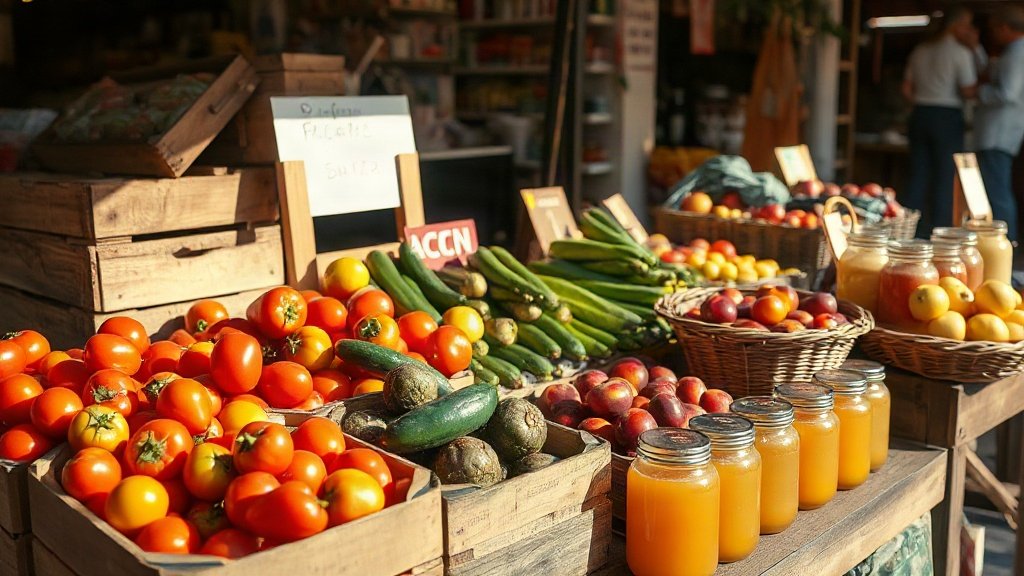
Illustration: AI-generated image
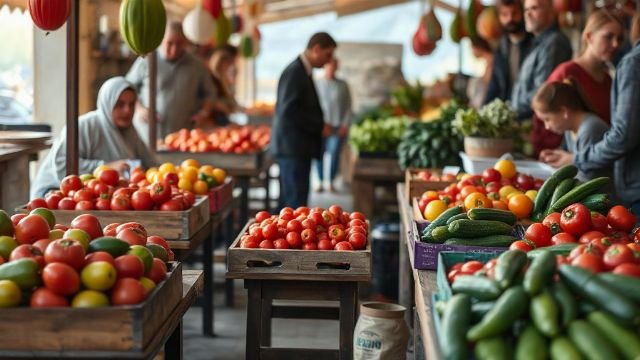
Romania's open-air farmers' markets, known as piața, are the beating heart of the country's food culture. Found in every town and city, these bustling spaces connect you directly with the people who grow, raise, and craft the food on your plate. For any visitor who loves food, spending a morning at a piața is as essential as visiting a castle or a painted monastery.
What You'll Find
A typical piața offers a sensory overload of fresh produce, dairy, meats, and pantry staples. Seasonal vegetables and fruits dominate the stalls: ripe tomatoes, peppers, cucumbers, and aubergines in summer; apples, pears, plums, and grapes in autumn; cabbages, root vegetables, and pickled goods in winter. You will also find local cheeses like telemea and caș, smoked meats, fresh eggs, and jars of honey, jams, and zacuscă (a smoky vegetable spread). Many markets have a section for flowers, herbs, and even live poultry in rural areas.
How to Shop Like a Local
Bring cash in small denominations, as most vendors do not accept cards. A reusable bag is essential, and a basket adds to the experience. Greet vendors with a friendly "Bună ziua" (good day) and don't be shy about asking for a taste — sampling cheese, fruit, or a spoonful of honey is expected. Vendors are proud of their goods and happy to tell you where and how they were produced. If you are unsure about a product, ask: "Este de la țară?" (Is it from the countryside?), which often implies traditional, small-scale production.
Bargaining is not common for everyday produce, but if you buy larger quantities, such as a whole crate of tomatoes for preserving, you can politely ask for a better price. Above all, be respectful and patient — the piața is a social space as much as a commercial one.
Seasonal Highlights
Each season brings its own treasures. In spring, look for wild garlic (leurdă), fresh greens, and the first strawberries. Summer is the peak for tomatoes, peppers, and stone fruit — perfect for eating raw or making salads. Autumn offers grapes for winemaking, mushrooms, and an abundance of plums, which become țuică and jam. Winter markets are filled with smoked meats, sauerkraut, and root vegetables for hearty stews.
Practical Tips
Markets usually open early and wind down by early afternoon, so plan your visit for the morning when produce is freshest and the atmosphere is liveliest. If you are visiting from abroad, be aware that hygiene standards may differ from supermarkets, but this is part of the authentic experience. For the best quality, look for vendors with small, varied displays rather than large uniform piles, which often indicate home-grown or artisanal produce. Finally, don't leave without trying a covrig (soft pretzel) or a slice of plăcintă from a market stall — it's the perfect snack after a morning of exploring.