Martisor: How Romanian Businesses Celebrate Spring and Build Relationships
Martisor, the Romanian spring tradition of giving small tokens on March 1, offers businesses a meaningful way to appreciate employees and clients.
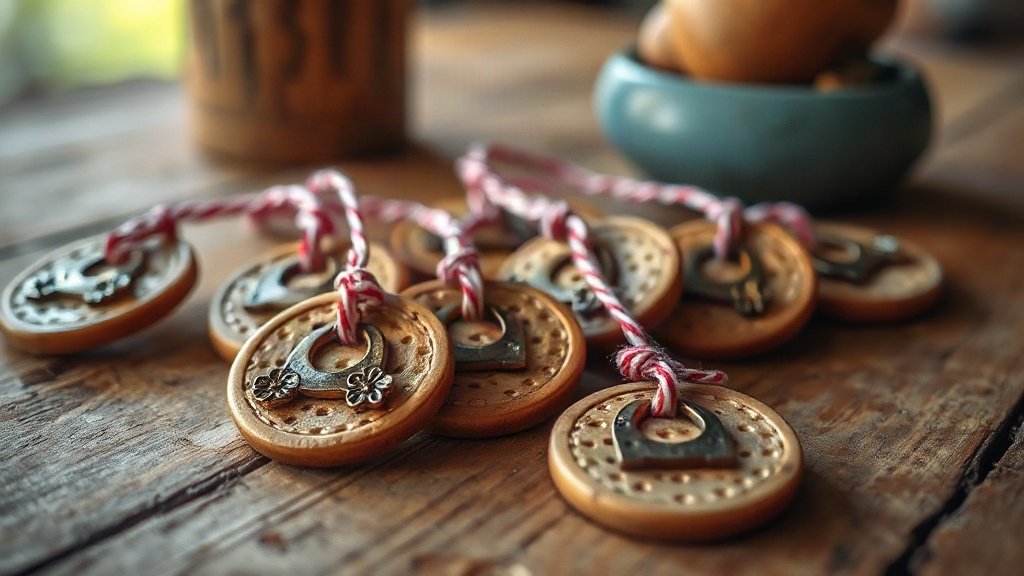
Illustration: AI-generated image
In Romania, March 1 marks the arrival of spring and the celebration of Martisor, a tradition deeply woven into the country’s cultural fabric. For businesses operating in Romania or with Romanian partners, understanding and embracing Martisor can be a powerful tool for building relationships and fostering goodwill.
What is Martisor?
Martisor (pronounced mahr-tsee-shor) is a small token, traditionally made of two intertwined red and white threads, often adorned with a small charm such as a flower, horseshoe, or four-leaf clover. The red thread symbolises love and passion, while the white represents purity and the coming of spring. The tradition dates back thousands of years and is rooted in ancient Dacian and Roman customs celebrating the renewal of life.
People give martisoare to women, and increasingly to men as well, on March 1. The recipient wears the token pinned to clothing for a few days or until the first signs of spring, such as the blooming of a tree, and then ties it to a fruit tree for good luck. The giving of martisoare is a gesture of appreciation, respect, and good wishes for health and prosperity.
How Businesses Use Martisor
For companies in Romania, Martisor presents a natural opportunity to show appreciation to employees, clients, and partners. It is common for employers to give martisoare to female staff members, often accompanied by a small gift such as flowers or sweets. This practice is seen not just as a perk but as a sign of respect and an acknowledgement of the individual's contribution.
Businesses also use Martisor as a client relationship tool. Sending a martisor to a valued client or business partner can strengthen ties and leave a positive impression. It is a low-cost, high-impact gesture that aligns with Romanian cultural values of hospitality and reciprocity. Many companies incorporate martisoare into their marketing strategies, branding the tokens with their logo or using them as promotional items at events.
When selecting martisoare for business purposes, it is important to consider quality and taste. Traditional handmade tokens or those with subtle, elegant designs are often preferred over mass-produced, overly commercial items. The red and white thread remains essential, but additional charms can reflect the company’s industry or the recipient’s interests, adding a personal touch.
Practical Tips for Foreign Businesses
If you are a foreign business interacting with Romanian partners or employees, participating in Martisor can demonstrate cultural awareness and earn respect. Consider the following:
- Gift martisoare to female colleagues and clients on March 1. While the tradition is expanding to include men, it is safest to focus on women unless you are certain of the recipient's preferences.
- Accompany the martisor with a small gift, such as a flower or a box of chocolates, but avoid overly expensive items that could be perceived as inappropriate or create an obligation.
- Wear a martisor yourself if you receive one; it shows that you value the gesture and are embracing local customs.
- If you are sending martisoare by post, ensure they arrive on or before March 1 to be most meaningful.
By understanding and participating in Martisor, businesses can tap into a rich cultural tradition that enhances workplace morale and strengthens professional relationships. It is a simple yet profound way to say, “I value you” and to welcome the season of growth and renewal.