Plăcintă: A Guide to Romania's Traditional Pies
From flaky cheese pastries to sweet apple-filled treats, plăcintă is a beloved staple of Romanian baking. Here's what to know and how to enjoy it.
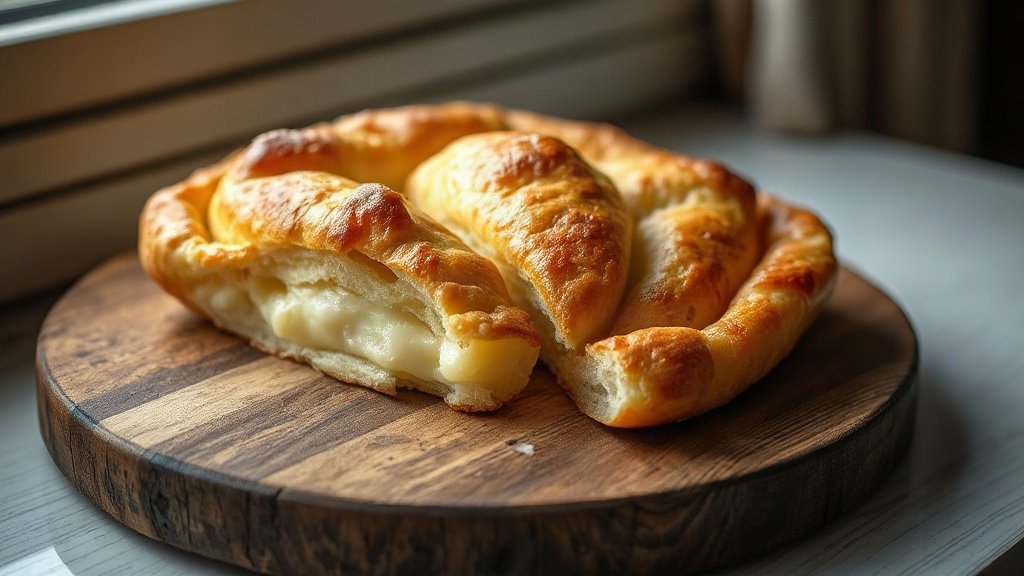
Illustration: AI-generated image
Walk past any Romanian bakery, market stall or roadside stand and you are likely to see plăcintă – golden, layered pies that are as much a part of everyday eating as they are of festive tables. The word itself comes from the Latin placenta, meaning flat cake, and it has deep roots in the region's culinary history.
Plăcintă is not one single recipe but a family of filled pastries. The dough can be leavened or unleavened, flaky or soft, and the fillings range from tangy cheese to sweet fruit. What unites them is their comforting, homemade character and their role as a quick meal or snack at any time of day.
Sweet and savoury varieties
The most common savoury plăcintă is filled with brânză de vaci (fresh cow's cheese) mixed with dill or raisins, sometimes with a little sugar for a sweet-savoury twist. Another popular version uses telemea, Romania's brine-cured white cheese, often combined with spinach or spring onions.
On the sweet side, apple (plăcintă cu mere) and pumpkin (plăcintă cu dovleac) are traditional autumn favourites, while sour cherry or sweet cheese fillings appear year-round. In some regions, you will also find plăcintă with cabbage, potatoes or even poppy seeds.
How plăcintă is made
The dough is usually a simple mixture of flour, water, oil and a pinch of salt. For a flaky result, the dough is rolled thin, brushed with oil or melted butter, then folded or layered before being filled. Some versions use a yeasted dough that rises to a soft, bread-like texture.
Traditionally, plăcintă is baked in a wood-fired oven, which gives it a crisp crust and a slightly smoky aroma. Today, home cooks and bakeries use regular ovens, but the goal remains the same: a golden exterior with a moist, flavourful centre.
Where to try plăcintă
You will find plăcintă in bakeries (brutării), at market halls and from street vendors, especially in the morning when they are freshly baked. They are often sold by weight or by the slice, making them an affordable and convenient option for a quick bite.
In rural areas, plăcintă is a staple at weddings, christenings and harvest celebrations, where large trays are prepared and shared among guests. During fasting periods, savoury versions without dairy or eggs are common, filled with cabbage, mushrooms or fruit.
Making plăcintă at home
If you would like to try making plăcintă yourself, start with a simple unleavened dough. Mix 500g flour with a pinch of salt, about 250ml warm water and 3 tablespoons of oil. Knead until smooth, then divide into balls and let rest for 30 minutes.
Roll each ball into a thin sheet, brush with oil, and place your chosen filling in the centre. Fold the edges over to form a square or rectangle, then bake at 180°C for 25–30 minutes until golden. For a yeast version, add a teaspoon of dried yeast and a little sugar to the dough and let it rise before shaping.
Whether you enjoy a warm cheese plăcintă from a bakery or bake your own at home, this humble pie is a delicious introduction to Romanian comfort food.