#folk art

A Beginner's Guide to Romanian Embroidery: Patterns, Meanings and Stitches
Discover the rich tradition of Romanian embroidery, from regional motifs and their hidden meanings to the basic stitches you need to start your own project.

Maramureș Wooden Gates: Romania's Carved Portals to Village Life
Discover the ornate wooden gates of Maramureș, a centuries-old craft that blends function, faith and folklore at the threshold of every home.
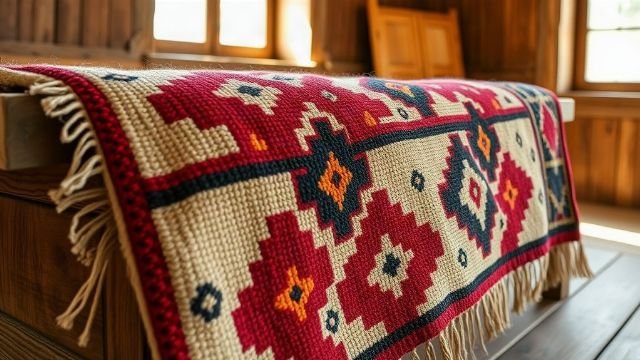
Romanian Traditional Carpets: Scoarțe, Kilims and the Patterns of Home
From the scoarțe hung on walls to the țoluri underfoot, woven textiles have been a quiet constant of Romanian village life for centuries.
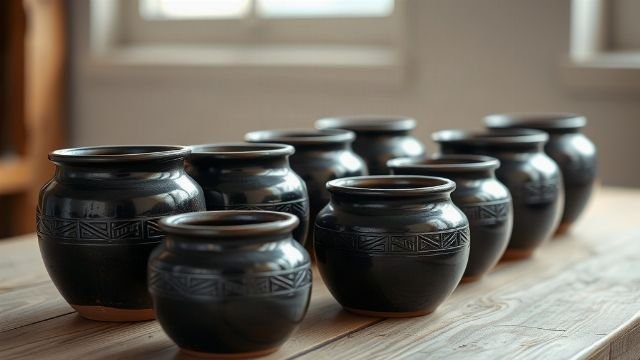
The Black Pottery of Marginea: A Timeless Romanian Craft
In the village of Marginea, potters still shape and fire clay into glossy black vessels using a technique passed down through generations.

How to Dye Easter Eggs the Romanian Way: Natural Colours and Traditional Patterns
Discover the art of Romanian Easter egg dyeing, from natural onion-skin reds to intricate wax-resist patterns that have been passed down for generations.
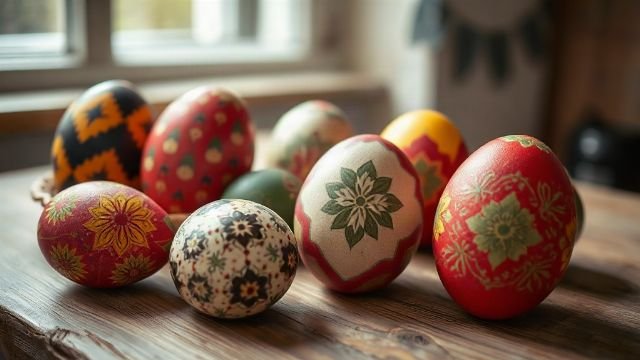
Romanian Egg Painting: An Easter Tradition of Wax and Dye
In Romania, decorating Easter eggs is far more than a springtime craft. Using beeswax and natural dyes, artisans create intricate symbols that carry centuries of meaning.

Romanian Glass Icons: A Transylvanian Folk Art Tradition
Discover the history and craft of painting icons on glass, a unique folk art from Transylvania that brings colour and faith into homes.

The Merry Cemetery of Săpânța: Romania's Colourful Celebration of Life
In a small village in Maramureș, wooden crosses painted in bright blues and greens tell the stories of the dead with humour and warmth.
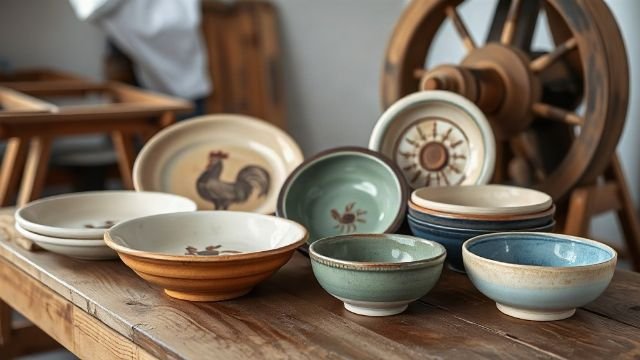
Horezu Pottery: Romania's UNESCO-Listed Ceramic Craft
Discover the centuries-old pottery tradition of Horezu, where local clay is shaped, decorated and fired using techniques passed down through generations.
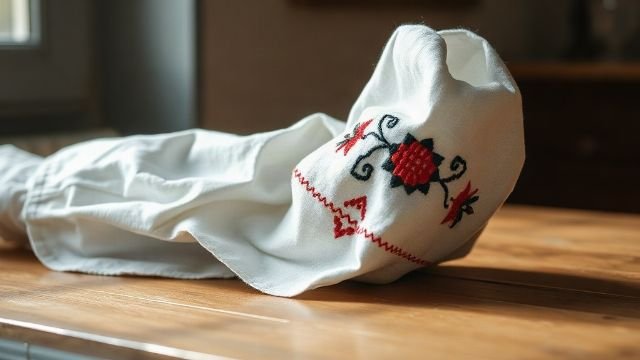
Ia: the Romanian Embroidered Blouse and the Stories Sewn Into It
The traditional Romanian blouse, the ia, carries regional patterns and centuries of craft. Here is how to read its motifs, and where its tradition shows up today.