How to Read a Romanian Utility Bill: A Practical Guide
Confused by your Romanian utility bill? This guide explains the common charges, how to understand your meter readings, and the simple steps to pay on time.
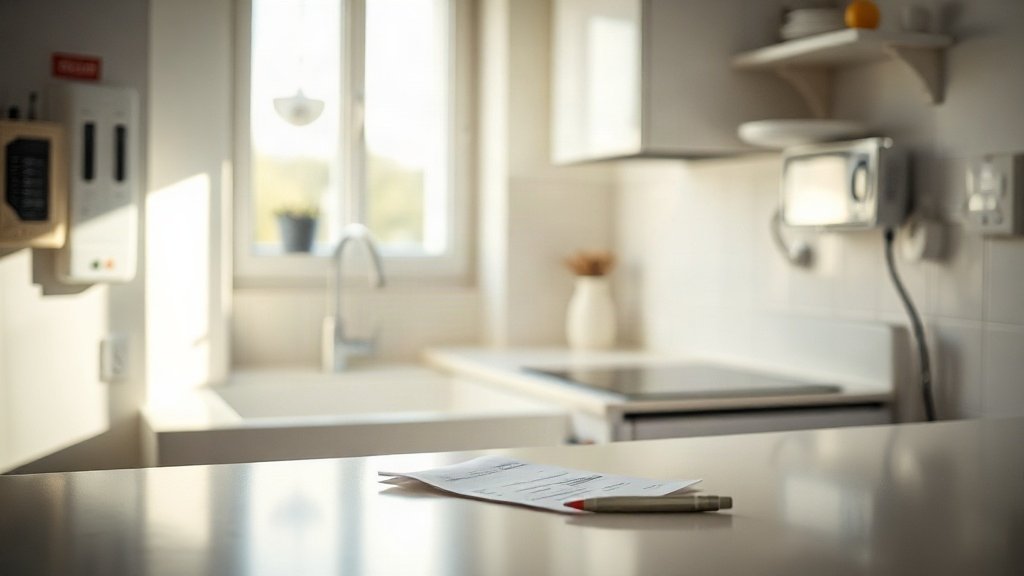
Illustration: AI-generated image
If you've moved to Romania or are renting your first flat, the utility bills that arrive in your post box can look like a puzzle. Unlike some countries where one company handles everything, in Romania you often receive separate bills from different suppliers for electricity, gas, water, heating and other services. Understanding what you're paying for is the first step to keeping your household budget under control.
Common charges on a Romanian utility bill
Your bill will typically list several items, each with its own unit price and consumption figure. Here are the most common ones:
- Electricity (energie electrică): Billed per kilowatt-hour (kWh). Look for the total consumption and the unit rate. The bill also includes taxes, a green certificate contribution for renewable energy, and sometimes a fixed subscription fee.
- Natural gas (gaze naturale): Used for heating, hot water and cooking. Billed per cubic metre (m³). You'll see a consumption charge, plus distribution and transmission costs.
- Water and sewage (apă și canalizare): Usually billed together per cubic metre. The water company charges for clean water delivered and for wastewater taken away.
- Central heating (încălzire centrală): If your flat is connected to a district heating system, you may receive a bill from the local thermal energy provider. The charge can be based on actual consumption (if you have heat cost allocators on radiators) or on the flat's surface area.
- Building maintenance (întreținere): If you live in a block of flats, your homeowners' association (asociația de proprietari) will issue a separate bill for shared costs: cleaning of common areas, lift maintenance, lighting in stairwells, and sometimes a reserve fund for repairs.
- Rubbish collection (salubritate): In some areas this is included in the local property tax, but in others it appears as a separate line on a utility bill or a local tax invoice.
Understanding your meter readings
To avoid estimated bills, you should submit your own meter readings regularly. Most providers allow you to do this online, by phone or via a mobile app. Here's how to find the numbers:
- Electricity meter: Usually located outside the flat, in a communal hallway or in a cabinet on the landing. It has a digital or mechanical display. Write down only the whole numbers, ignoring digits after a comma or in red.
- Gas meter: Often in the kitchen or on a balcony. Similar to the electricity meter; note the cubic metres, not the litres or other units.
- Water meters: Typically under the kitchen sink, in the bathroom or in a basement. There may be separate meters for hot and cold water; check which is which before submitting.
- Heat cost allocators: For district heating, small devices on each radiator record usage. You don't need to read them manually, but make sure they are not blocked or damaged.
How to pay your utility bills
Most providers offer several payment methods. You can pay by bank transfer from your Romanian bank account, set up a direct debit (mandat de debit) so the amount is taken automatically, or pay in cash at a post office or partner payment points. Many people also use internet banking or payment apps. Always keep proof of payment — a receipt or bank confirmation — in case there is a dispute.
Common pitfalls to avoid
- Estimated bills: If you don't submit a meter reading, the supplier will estimate your consumption. This often leads to a large catch-up bill when they finally read the meter. Submit readings on time, usually once a month.
- Multiple providers: You may receive separate bills from different companies for electricity, gas, water, and building maintenance. Don't assume one payment covers everything.
- For renters: Check your rental contract carefully. Sometimes utilities are included in the rent, but often you are responsible for paying them yourself. Clarify who pays the building maintenance charge, as this is frequently a source of confusion.
Taking a few minutes to understand your bills and read your meters can save you money and stress. If something is unclear, most providers have customer service lines and local offices where you can ask questions.