Transylvania's Fortified Churches: A Guide to Their History and Craftsmanship
Discover the medieval fortified churches of Transylvania, where Saxon communities combined worship and defence in remarkable architectural harmony.
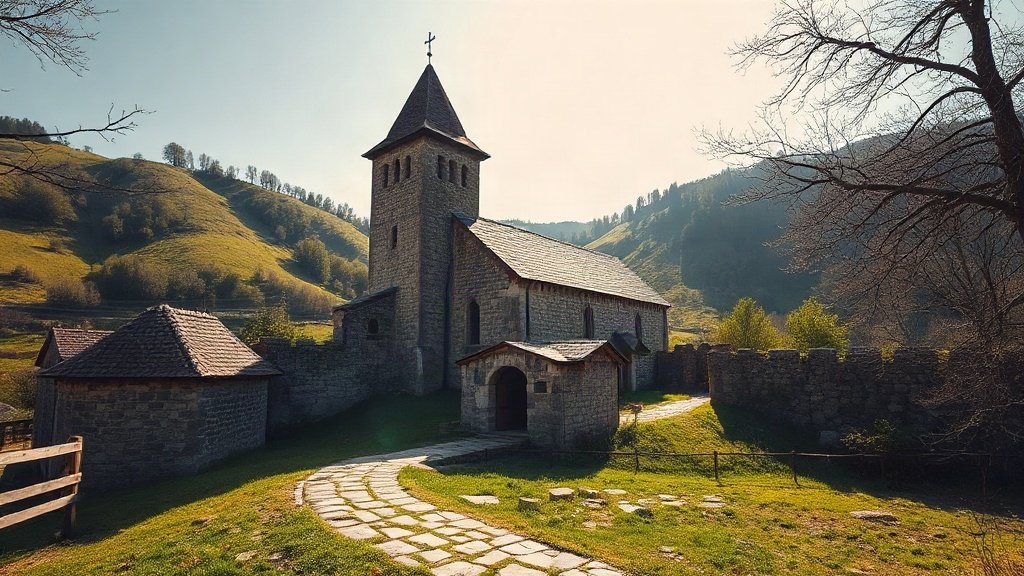
Illustration: AI-generated image
Scattered across the rolling hills of southern Transylvania, a remarkable collection of fortified churches stands as a testament to the resilience and ingenuity of the region's Saxon communities. Built between the 13th and 16th centuries, these churches served not only as places of worship but also as strongholds against repeated invasions. Today, they are recognised as a UNESCO World Heritage Site, offering visitors a unique glimpse into medieval life and architecture.
A Legacy of Saxon Settlement
The fortified churches of Transylvania owe their existence to the German-speaking Saxon settlers who arrived in the 12th and 13th centuries at the invitation of Hungarian kings. They were granted land and privileges in exchange for defending the eastern frontiers of the kingdom. The Saxons brought with them their craft traditions, including masterful stone and brickwork, and over generations they transformed their village churches into robust defensive complexes.
Architecture and Defence
Each fortified church was designed to protect the entire village population during times of siege. Surrounding the church, thick walls, towers, and bastions were erected, often with storage rooms for grain and other supplies. The churches themselves were frequently rebuilt in Gothic style, with high naves and sturdy towers that doubled as observation posts. Features such as machicolations, portcullises, and defensive galleries reveal the seriousness of the threat these communities faced.
One of the most impressive examples is the church at Biertan, which for three centuries served as the seat of the Lutheran bishop of Transylvania. Its triple ring of walls and imposing gate towers make it a masterpiece of defensive architecture. At Prejmer, the circular fortification encloses over 270 rooms, each designated for a village family, all connected by a wooden gallery. The church at Viscri is famed for its simple beauty and the active involvement of the local community in its preservation.
The UNESCO listing includes seven villages with fortified churches: Biertan, Câlnic, Dârjiu, Prejmer, Saschiz, Valea Viilor, and Viscri. Each has its own distinct character:
- Biertan – the grandest, with three defensive walls and an intricate locking system.
- Prejmer – the best-preserved circular fortification, with hundreds of storage rooms.
- Viscri – a small, beautifully restored church in a village beloved for its traditional atmosphere.
- Saschiz – noted for its imposing clock tower and sturdy fortifications.
- Câlnic – features a noble's residence integrated into the defensive complex.
- Dârjiu – houses remarkable 15th-century frescoes depicting the legend of St. Ladislaus.
- Valea Viilor – retains an original wooden defence gallery and Gothic elements.
Visiting the Churches
The fortified churches are scattered across a scenic countryside that rewards slow travel. Many are located in villages connected by minor roads, and cycling or driving between them is a popular way to explore. The churches are generally open to visitors, and modest admission fees help support their upkeep. Local guesthouses often provide comfortable lodging and home-cooked meals, allowing travellers to immerse themselves in the rural atmosphere.
While some churches, such as Biertan and Prejmer, receive more visitors, many others remain tranquil and relatively undiscovered. It is worth checking opening times ahead, as they can vary by season. Hiring a local guide can enrich the experience, as many guides share stories passed down through generations of Saxon families.
For those interested in history, architecture, or simply the charm of Transylvanian villages, the fortified churches offer an unforgettable journey into a bygone era.