Sfântul Nicolae: Romania's Saint Nicholas Day of Polished Boots and Small Gifts
On the night of 5 December, Romanian children carefully clean their shoes and leave them by the door, hoping that Sfântul Nicolae will fill them with treats. This beloved tradition marks the start of the winter gift-giving season.
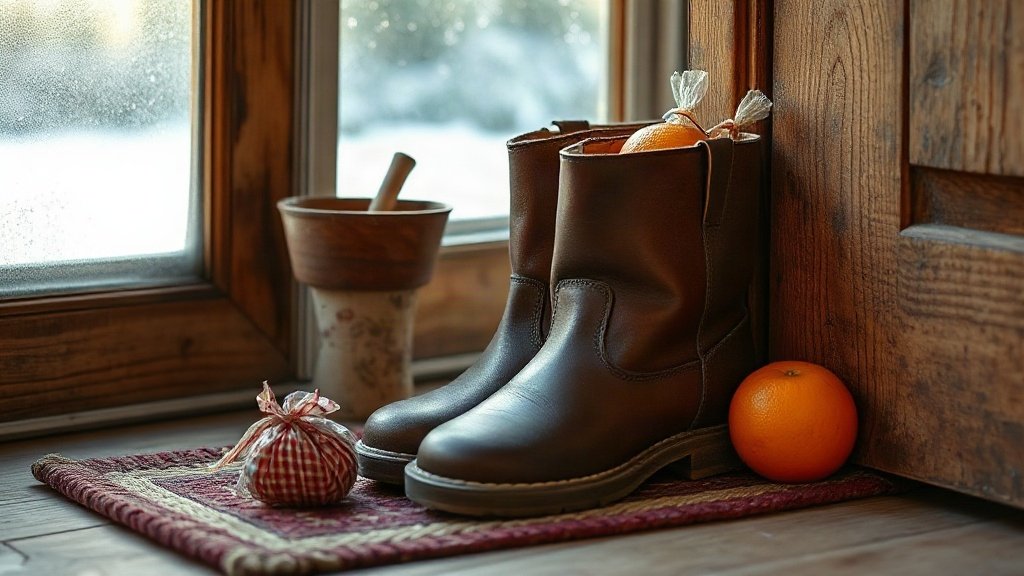
Illustration: AI-generated image
Each year on the evening of 5 December, children across Romania take extra care to polish their boots and shoes. They place them neatly by the front door or on a windowsill before going to bed, then wake up on the morning of 6 December to discover whether Sfântul Nicolae (Saint Nicholas) has left them a treat or a twig.
The tradition is one of the most eagerly awaited moments of the Romanian winter calendar. Unlike the more commercial figure of Santa Claus, Sfântul Nicolae is rooted in the story of a 4th-century bishop known for his secret generosity. According to legend, he once threw bags of gold through a poor family’s window at night, providing dowries for three daughters and saving them from hardship. Over centuries, that act of quiet giving evolved into a beloved folk custom.
What happens on the night of 5 December
On the eve of the feast, children clean their footwear until it shines. The act is symbolic: only a child who has been good and tidy deserves a reward. Parents, grandparents or godparents then play the role of Sfântul Nicolae, placing small gifts inside the shoes while the children sleep.
The traditional gifts are simple and meaningful. Sweets, oranges, nuts and small toys are common, along with a special braided bread called colac. Less fortunate children might find a thin twig, a gentle reminder to behave better in the coming year. Most families include both a treat and a twig, teaching that life has rewards and lessons.
Where the custom is strongest
The tradition is observed throughout Romania, but it is especially vivid in rural areas and in regions with strong Orthodox and Greek Catholic communities. In some villages, children go from house to house on the evening of 5 December, singing short carols dedicated to Sfântul Nicolae and receiving sweets or coins in return. In towns, the day is marked with church services and small family gatherings.
For visitors or expats in Romania, the custom is easy to join. If you are invited to a local home on the evening of 5 December, it is polite to bring a small gift for the children—perhaps an orange, a bag of sweets or a small toy—and to admire the polished shoes by the door. Do not be surprised if adults also receive a token: among close friends, it is common to exchange chocolate or a sprig of fir as a sign of goodwill.
The difference between Sfântul Nicolae and Moș Crăciun
Many newcomers confuse Sfântul Nicolae with Moș Crăciun (Santa Claus). The two figures are distinct. Sfântul Nicolae arrives on 6 December and is portrayed as a bishop with a white beard, wearing red and gold vestments and carrying a staff. He rewards small acts of goodness and is a religious figure. Moș Crăciun, on the other hand, comes on Christmas Eve and is a more secular, jolly old man in a red suit, influenced by Western traditions.
In Romania, the winter gift-giving season stretches from Sfântul Nicolae through Christmas to the New Year, with each holiday having its own customs. Sfântul Nicolae sets the tone: a moment of gentle expectation, family warmth and the simple joy of finding a polished boot filled with something sweet on a frosty December morning.