Papanași: Romania's Beloved Fried Dough Dessert with Sour Cream and Jam
Discover the history, ingredients and cultural role of papanași, Romania’s iconic fried dough dessert topped with sour cream and fruit jam.
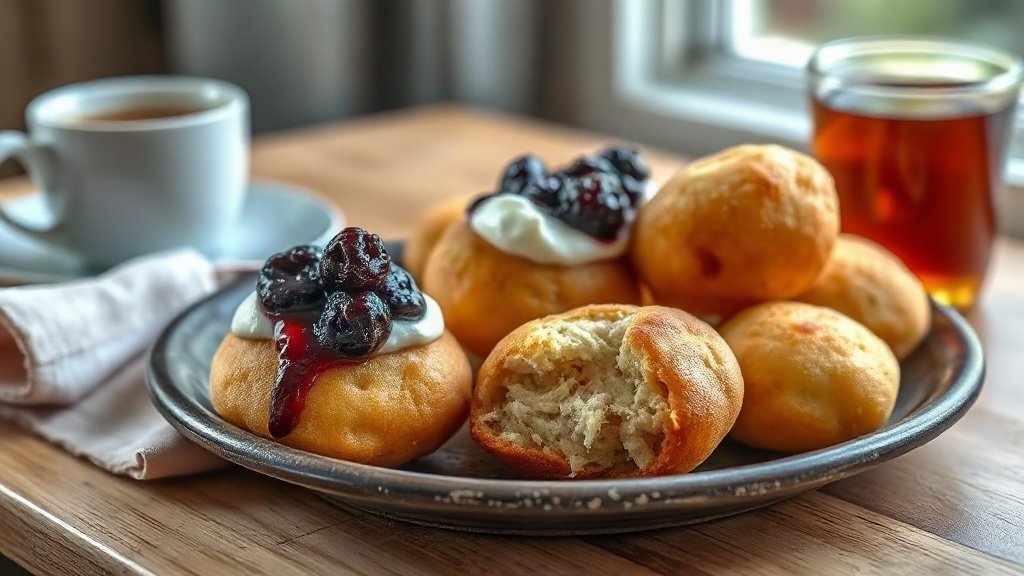
Illustration: AI-generated image
Papanași is Romania’s best-loved dessert, a sweet treat that appears on menus from village inns to city bistros. These golden fried doughnuts, shaped like small rings with a ball on top, are served warm with a generous dollop of sour cream and a spoonful of fruit jam, usually blueberry or sour cherry. Simple yet indulgent, papanași capture the essence of Romanian comfort food.
What is Papanași?
Papanași (pronounced pah-pah-NAHSH) are traditional Romanian fried pastries made from a soft, lightly sweetened dough that includes fresh cow’s cheese, often called brânză de vaci. The dough is shaped into a doughnut-like ring with a smaller ball attached on top, then deep-fried until crisp and golden. The result is a contrast of textures: a crispy exterior giving way to a soft, airy interior with a mild tang from the cheese.
The Ingredients and How They Are Made
Traditional papanași are made with a simple list of ingredients: fresh cow’s cheese, eggs, flour, a little sugar, and sometimes semolina or breadcrumbs for structure. Lemon zest or vanilla can add a hint of fragrance. The cheese is mixed with the other ingredients to form a soft, slightly sticky dough. It is then divided, shaped into rings and small balls, and fried in hot oil until puffed and browned.
No special equipment is needed, which is why papanași are a staple of home cooking. However, they require care: the oil must be at the right temperature so the dough cooks through without absorbing too much fat. The result should be light and not greasy.
How to Serve and Enjoy Papanași
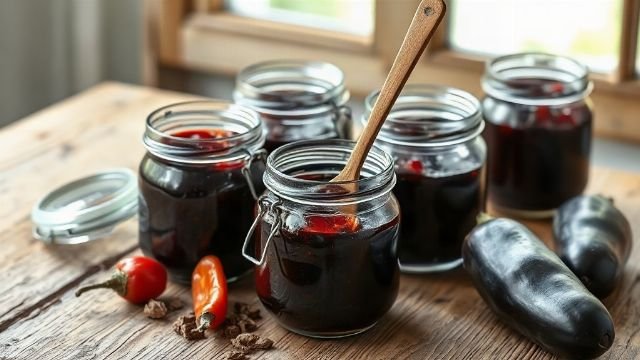
Papanași are always served hot, immediately after frying. Traditionally, they are topped with a thick layer of sour cream (smântână) and a generous spoonful of jam, most often blueberry or sour cherry. The cream’s coolness and the jam’s sweetness balance the warm, mild pastry. Some versions are dusted with powdered sugar instead of jam, but the sour cream remains essential.
In restaurants, papanași are often served as a single large portion, sometimes with two or three pastries on a plate. They are meant to be shared or enjoyed as a fulfilling end to a meal. Because they are rich, a little goes a long way.
Papanași in Romanian Culture
Papanași are more than just a dessert; they are a symbol of Romanian hospitality and home cooking. They appear at family gatherings, holiday tables, and festive meals. Every region may have its own twist—some add raisins, others use a mix of cheeses, and a few bake instead of fry—but the core idea remains the same. For many Romanians, the smell of papanași frying evokes childhood memories of grandmothers and village kitchens.
While papanași are now a fixture on restaurant menus across the country, they have humble origins. The use of fresh cheese and simple pantry ingredients reflects a rural tradition of making delicious food from what was available. Today, they are a proud part of Romania’s culinary identity and a must-try for any visitor.