Tobă and Lebăr: Romania's Traditional Meat Terrines
Discover two of Romania's most distinctive festive pork dishes, how they are made, and how to enjoy them like a local.
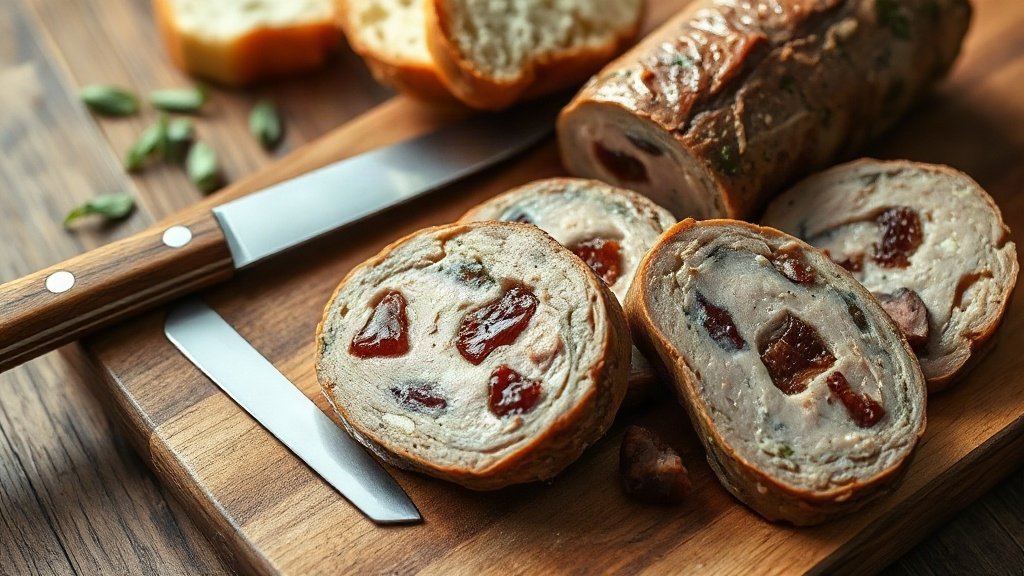
Illustration: AI-generated image
Romania's winter festive tables are rich with pork delicacies, and among the most intriguing are tobă and lebăr — two traditional meat terrines that appear almost exclusively around Christmas and New Year. While they may look similar at first glance, each has a distinct character and regional following.
What is tobă?
Tobă is a pressed pork terrine made from the meat of the pig's head, ears, tongue, and sometimes heart, set in a savoury jelly made from the cooking broth. The mixture is seasoned generously with garlic, salt, and pepper, then packed tightly into a pig's stomach or a synthetic casing and boiled until firm. The result is a sliceable, jellied loaf with a robust pork flavour and a slightly chewy texture from the cartilage and skin.
It is most popular in the southern and eastern regions of Romania, where households often make it as part of the traditional pig slaughter before Christmas. The name comes from the Romanian word for "drum" or "barrel", possibly referring to the cylindrical shape.
What is lebăr?
Lebăr is closely related to tobă but is distinguished by the inclusion of liver, usually pork liver, which gives it a softer, spreadable consistency and a richer, more intense flavour. The liver is cooked, minced, and mixed with other pork meat, onions, and spices, then stuffed into a casing and boiled or baked. In some recipes, lebăr is more like a pâté or liverwurst, while in others it is firmer and sliceable.
This terrine is particularly associated with Transylvania and the Banat region, where it is often called leber or lebar, reflecting Austrian and Hungarian culinary influences. It can be spiced with marjoram, allspice, or even a touch of sweet paprika.
How they are served
Both tobă and lebăr are served cold, sliced thickly, as part of a traditional Romanian appetiser platter. They are typically accompanied by fresh bread, mustard, horseradish, and pickled vegetables such as cucumbers or green tomatoes. During the festive season, they appear alongside other pork products like caltaboș (blood sausage), cârnați (sausages), and piftie (meat jelly).
Because they are rich and salty, a small amount goes a long way. For a balanced meal, serve them with a simple onion salad or a spoonful of zacuscă (vegetable spread).
Where to try them
While homemade versions are the gold standard, you can find tobă and lebăr at traditional butchers, farmers' markets, and in the deli sections of larger supermarkets during the winter months. Some restaurants feature them on seasonal platters, especially around Christmas. If you are visiting Romania in December, keep an eye out for local food fairs or Christmas markets where artisanal producers often sell these specialties.
For those with adventurous palates, both terrines offer a taste of Romania's resourceful, nose-to-tail cooking tradition—one that transforms humble ingredients into festive delicacies.