Romania's E-Invoicing System: A Practical Guide for Businesses
Everything you need to know about Romania's mandatory electronic invoicing for business-to-business transactions, including how it works and what it means for your company.
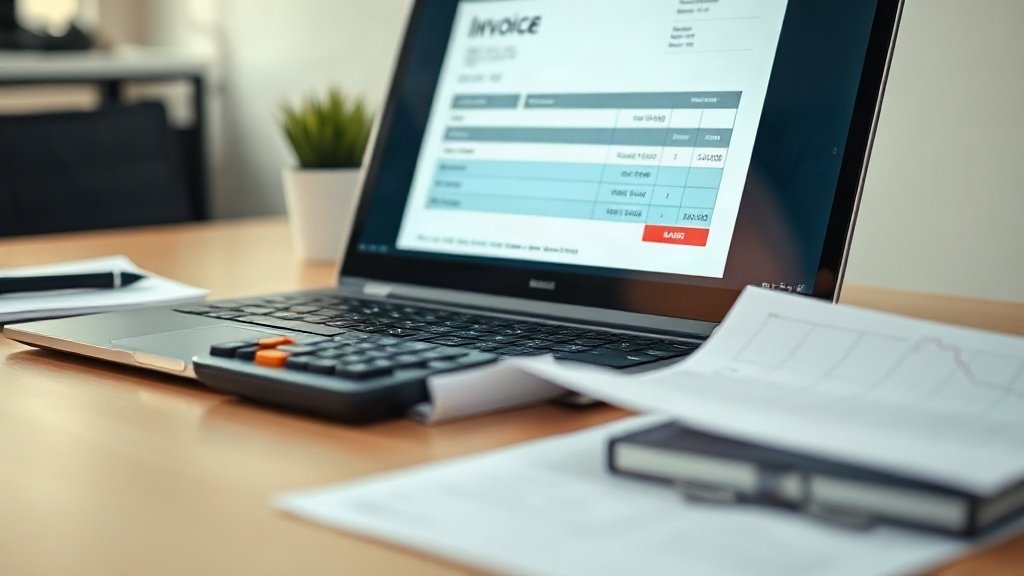
Illustration: AI-generated image
Romania has implemented mandatory electronic invoicing for all business-to-business (B2B) transactions. The system, known as RO e-Factura, requires invoices to be issued and transmitted electronically to the national tax authority, ANAF, before or at the same time as they are sent to the buyer. This guide explains the basics and helps you prepare your business for compliance.
What is e-invoicing and why was it introduced?
E-invoicing refers to the creation, transmission and storage of invoices in a structured digital format that can be processed automatically. Romania's system is based on EU Directive 2014/55/EU, which sets a common standard for electronic invoicing in public procurement, and has been extended to cover private business transactions. The primary goals are to modernise tax administration, reduce VAT fraud and improve the accuracy of fiscal reporting.
Who must comply?
All Romanian companies and foreign entities with a Romanian VAT number that issue invoices for goods or services supplied in Romania are generally required to use e-invoicing for B2B transactions. Certain small businesses and specific sectors may have different rules or exemptions, so it is essential to check the current regulations relevant to your situation. Invoices issued to consumers (B2C) are not currently subject to the same mandatory e-invoicing requirements.
How the RO e-Factura system works
Businesses must register on the ANAF e-Factura platform. Invoices are created in a structured XML format that contains all required fields, such as supplier and buyer details, invoice number, date, line items and VAT amounts. The invoice is then transmitted electronically to ANAF, which validates it and assigns a unique identification number. The buyer must accept or reject the invoice within a set period, typically a few working days. Both parties are required to store invoices electronically for a minimum period, usually five years.
Practical steps for compliance
To comply with Romania's e-invoicing requirements, follow these steps:
- Obtain a digital certificate for electronic signature, which is used to authenticate your transmissions.
- Register on the e-Factura portal using your company's credentials.
- Integrate invoicing software that can generate XML files and communicate with ANAF's systems. Many accounting and ERP solutions offer built-in support.
- Train your staff on the new processes, especially those in sales, finance and IT.
- Monitor deadlines for submission and acceptance to avoid penalties.
- Keep detailed records of all transmissions, including timestamps and confirmation messages.
Benefits and challenges
The e-invoicing system brings several advantages: reduced paperwork, faster processing times, lower risk of manual errors and increased transparency in business transactions. It also helps tax authorities detect fraud more effectively, which can level the playing field for compliant businesses. However, companies may face initial challenges, such as the cost of updating IT systems, adapting internal workflows and ensuring timely submissions. Foreign companies doing business in Romania may need additional support to navigate the requirements.
Key takeaways
E-invoicing is now a standard part of doing business in Romania. Understanding the requirements and preparing your systems in advance will help you avoid disruptions and penalty risks. If you are unsure about your obligations, consult a local accountant or tax advisor who is familiar with the Romanian e-Factura system.