Romanian Honey: A Guide to Local Varieties and How to Use It
From light acacia to dark forest honey, Romania produces some of Europe's most varied and flavourful honeys. Here's what to know and how to enjoy them.
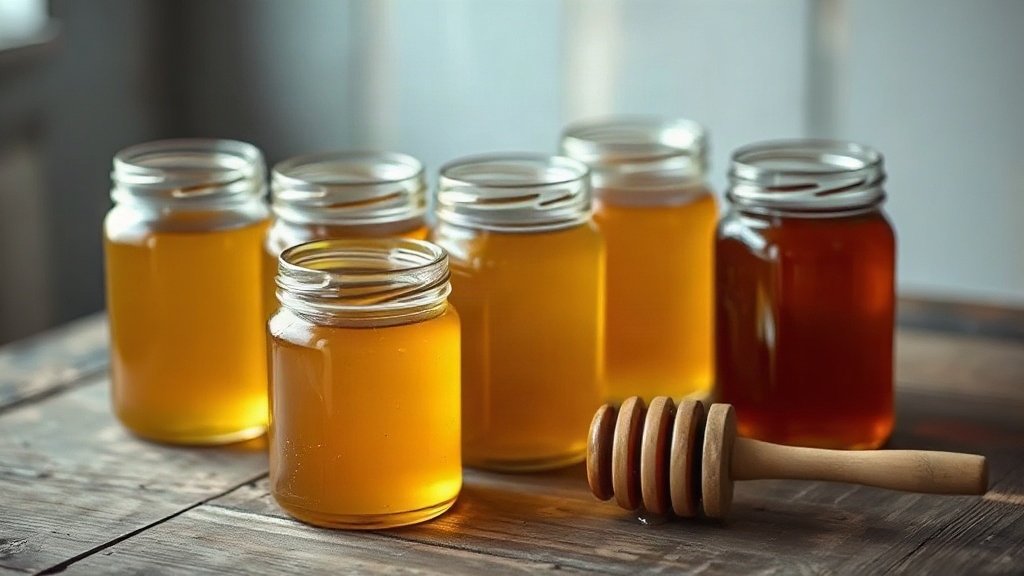
Illustration: AI-generated image
Romania has a long and proud beekeeping tradition, and its varied landscapes — from wildflower meadows to dense forests and sunflower fields — produce an impressive range of honeys. Whether you drizzle it over a warm slice of cozonac or stir it into tea, local honey is a staple in Romanian kitchens. This guide covers the main varieties, their flavour profiles and some of the best ways to use them.
The Main Types of Romanian Honey
Acacia honey is perhaps the most popular and widely available. It is very pale, almost water-white, with a delicate floral aroma and a mild, clean sweetness. Because it is slow to crystallise, it stays liquid for months and is perfect for sweetening drinks or drizzling over cheese.
Linden (lime tree) honey has a light amber colour and an intense, almost minty fragrance. Its flavour is distinctly aromatic with a slight bitterness that balances the sweetness. In Romania, linden honey is often enjoyed with herbal teas or spread on fresh bread.
Sunflower honey is golden yellow and crystallises quickly into a smooth, creamy texture. It has a mild, slightly nutty taste and is excellent for baking or stirring into porridge and yoghurt.
Wildflower (polyfloral) honey varies depending on what blooms in the area, but it generally offers a complex, fruity flavour with medium sweetness. It is a great all-rounder for marinades, salad dressings and glazes.
Forest or honeydew honey is dark, thick and intensely flavoured. Made not from nectar but from the sugary secretions of aphids on trees, it has a malty, almost savoury character with notes of molasses. It pairs beautifully with strong cheeses and cured meats.
How Romanians Use Honey
Honey is far more than a sweetener in Romania. It is an essential ingredient in many traditional dishes and festive treats. A drizzle of honey over papanasi or clatite adds a natural sweetness, while a spoonful stirred into warm milk is a classic bedtime remedy. Honey is also used to glaze roasted meats, especially around Christmas, and it appears in cakes, biscuits and the beloved cozonac.
One of the simplest pleasures is a slice of fresh bread, butter and a generous spoonful of local honey — often served as a quick breakfast or afternoon snack. And no Romanian tea table is complete without a jar of honey alongside the jam and lemon.
Buying and Storing Tips
When buying Romanian honey, look for a clear label indicating the floral source and the region. Artisanal honey from small producers is often sold at farmers' markets and directly from apiaries. The colour and texture will vary naturally; crystallisation is a sign of quality, not spoilage.
Store honey in a sealed glass jar at room temperature, away from direct sunlight. If it crystallises, simply place the jar in warm water and stir gently until liquid again — never overheat it, as high temperatures destroy delicate aromas and beneficial enzymes.
Whether you prefer the light delicacy of acacia or the bold depth of forest honey, exploring Romania's local varieties is a delicious way to connect with the country's culinary heritage.