How to Shop at a Romanian Piață: A Practical Guide
Learn how to navigate a traditional Romanian market with confidence, from choosing the best produce to mastering the art of friendly bargaining.
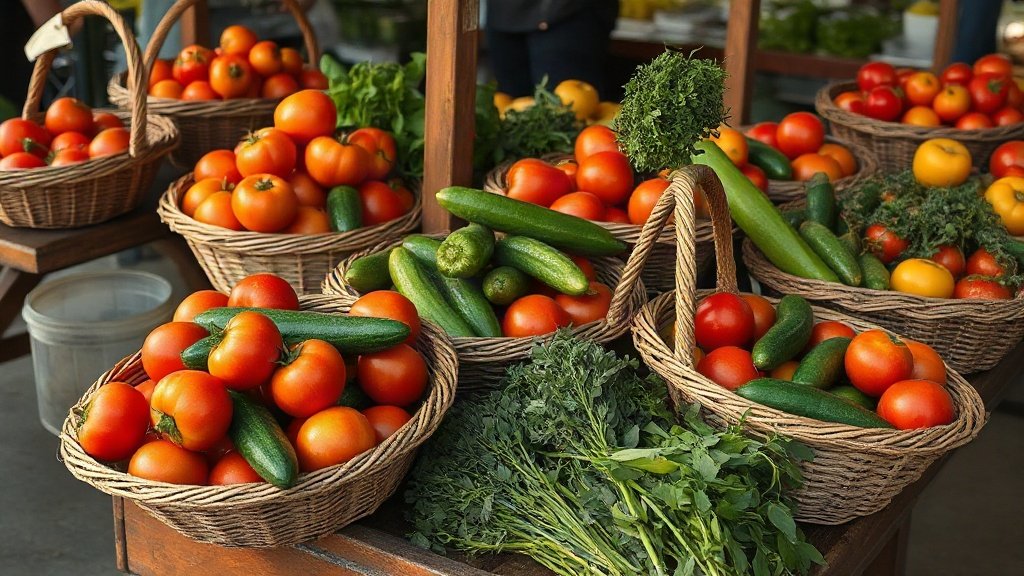
Illustration: AI-generated image
Romanian markets, known as piețe, are vibrant hubs of colour, noise and remarkable freshness. For newcomers, they can feel overwhelming, but once you understand the rhythm, shopping at a piață becomes one of the great pleasures of daily life in Romania. Whether you are looking for sun-ripened tomatoes, handmade cheese or a jar of golden honey, this guide will help you shop with ease and confidence.
What is a Piață?
A piață is an open-air or covered market where local producers and resellers sell fresh food, flowers and household goods. Unlike supermarkets, where produce is often chilled and packaged, a piață offers seasonal items sold directly by the people who grew or made them. You will find permanent stalls run by regular vendors, as well as small tables set up by farmers from nearby villages who bring whatever is ripe that week.
What You Will Find
The range of goods changes with the seasons, but you can typically expect:
- Fruit and vegetables: from leafy greens and root vegetables in winter to berries, stone fruit and tomatoes in summer.
- Dairy: fresh cow, sheep and goat cheeses, often sold by the piece from large wheels or as soft telemea brined cheese.
- Eggs: usually sold by the piece, with brown and white shells side by side, often from free-range hens.
- Honey and preserves: jars of local honey, jams and zacusca (vegetable spread).
- Herbs and flowers: bundles of fresh parsley, dill, lovage and seasonal blooms.
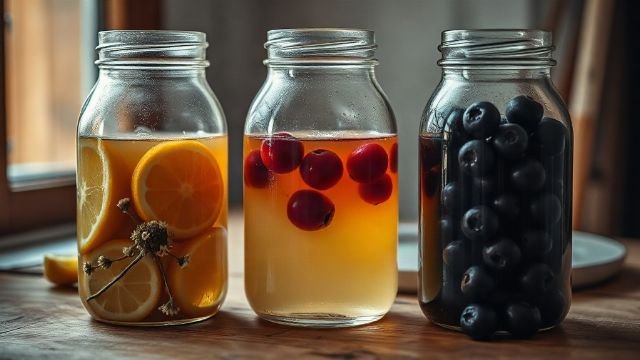
- Pickles and ferments: barrels of sauerkraut, pickled cucumbers and murături.
- Meat and fish: some markets have dedicated sections with butchers and fishmongers.
How to Shop
Arrive early for the best selection, as the freshest produce sells quickly. Bring your own reusable bags and small change; many vendors cannot break large notes. Take a slow walk around the entire market first to compare quality and prices before buying. Do not be afraid to ask questions: vendors are usually happy to tell you where the produce came from or how something is made.
When choosing vegetables, pick them up and inspect them. Unlike a supermarket, you are expected to handle the goods. Ask for a taste if you are unsure, especially with cheese or fruit. Most vendors will gladly cut a small piece for you to try.
Bargaining and Payment
Haggling is not common for everyday food items; prices are generally fair and fixed. However, if you are buying a large quantity, such as a whole box of tomatoes for preserving, you can politely ask if the vendor can give you a better price. A friendly smile and a simple “Se poate un preț mai bun?” (Can you give a better price?) can work wonders. For non-food items or at the end of the day when vendors want to pack up, a small discount is sometimes possible.
Cash is still king at most markets, though some permanent stalls now accept card payments or mobile wallets. Always confirm before you start selecting items.
Seasonal Highlights
Romanian markets are a calendar of the seasons. In spring, look for wild garlic, nettles and the first strawberries. Summer brings an explosion of tomatoes, peppers, aubergines, apricots and melons. Autumn is the time for grapes, quince, walnuts and mushrooms. Winter markets focus on stored root vegetables, apples, cabbage and citrus, alongside preserved goods like zacusca and pickles.
Etiquette and Tips
- Greet the vendor with “Bună ziua” (good day) and say “Mulțumesc” (thank you) when you leave.
- Do not squeeze delicate fruit like peaches or tomatoes; use your eyes and nose instead.
- Bring your own eggs container to avoid using multiple plastic bags.
- Weighing is done by the vendor. Trust the scale; you can ask to see the weight if unsure.
- If a vendor offers a taste, accept it graciously – it is a sign of hospitality, not pressure to buy.
With a little practice, shopping at a Romanian piață becomes a weekly ritual that connects you to the land, the seasons and the people. You will soon find your favourite stallholders and look forward to the lively atmosphere as much as the food itself.