Romanian Homemade Soft Drinks: Socată, Must and More
Discover the refreshing world of Romania's traditional non-alcoholic drinks, from fragrant elderflower socată to sweet autumn must, and learn how to enjoy them like a local.
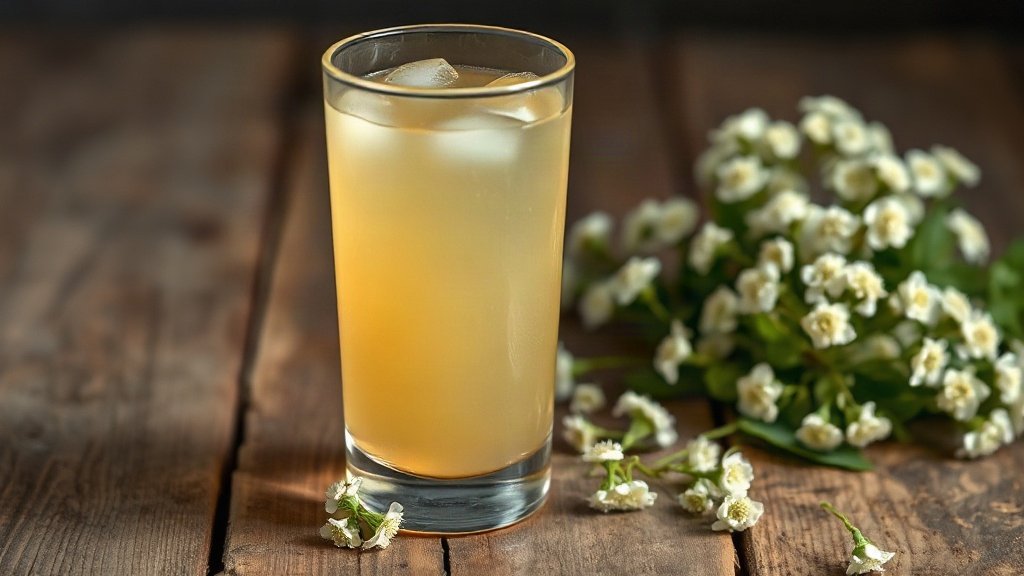
Illustration: AI-generated image
When the summer heat arrives, Romanians turn to a beloved homemade refreshment: socată. This lightly fizzy elderflower cordial is a staple in rural households and increasingly found at farmers' markets and country fairs. Made from just a handful of ingredients, it captures the essence of late spring and early summer in a glass.
Socată: A Fragrant Summer Favourite
Socată is traditionally prepared by steeping fresh elderflower heads in water with sugar and lemon slices. The mixture is left to ferment naturally for a few days, developing a delicate effervescence and a floral, citrusy flavour with a hint of wildness. The result is a pale golden drink that is simultaneously sweet, tart, and refreshing.
For many Romanians, socată is linked to childhood memories of grandparents stirring large glass jars on sunny verandas. It is best served chilled, often with a slice of lemon or a sprig of fresh mint. While some commercial versions exist, the homemade variety is prized for its authentic, artisanal character.
Must: The Sweet Taste of Autumn
Come September and October, Romania's vineyards buzz with activity, and one of the season's simple pleasures is must—freshly pressed grape juice. Before it ferments into wine, must is a thick, sweet, non-alcoholic drink that captures the full flavour of ripe grapes. It is often enjoyed at harvest festivals and by families who make their own wine.
Must can be consumed immediately, but many people also boil it down to make a concentrated syrup or leave it to ferment slightly, creating a mildly fizzy drink. Its deep purple colour and intense fruitiness make it a favourite among children and adults alike during the grape harvest.
Other Homemade Refreshments
Beyond socată and must, Romanian households produce a variety of fruit syrups known as siropuri. These are made by simmering fruits like sour cherries, raspberries, or blackcurrants with sugar and water, then straining the liquid to create a concentrated syrup. Diluted with cold water or sparkling water, they make a quick and refreshing beverage.
A more unusual traditional drink is braga, a lightly fermented beverage made from millet or cornmeal. It has a slightly sour, yeasty flavour and a very low alcohol content. Once a common street drink in urban areas, it has become rare but can still be found at some traditional fairs and rural celebrations.
How to Enjoy Them
For visitors, the best way to try these drinks is to seek out homemade versions at rural guesthouses, farm stays, or local markets. Many families are happy to share a glass of socată in summer or must in autumn, often accompanied by a slice of cozonac or a handful of walnuts. If you're lucky enough to be invited, don't hesitate—these drinks are the taste of Romanian hospitality.
Making socată at home is also straightforward if you have access to fresh elderflowers. Recipes abound online, and the process requires little more than patience. As with all fermented drinks, it's important to use clean equipment and keep an eye on the fizz to avoid overflow.