How to Use Romanian Pharmacies: A Practical Guide
From finding a 24-hour chemist to understanding over-the-counter rules, here's what you need to know about getting medication in Romania.
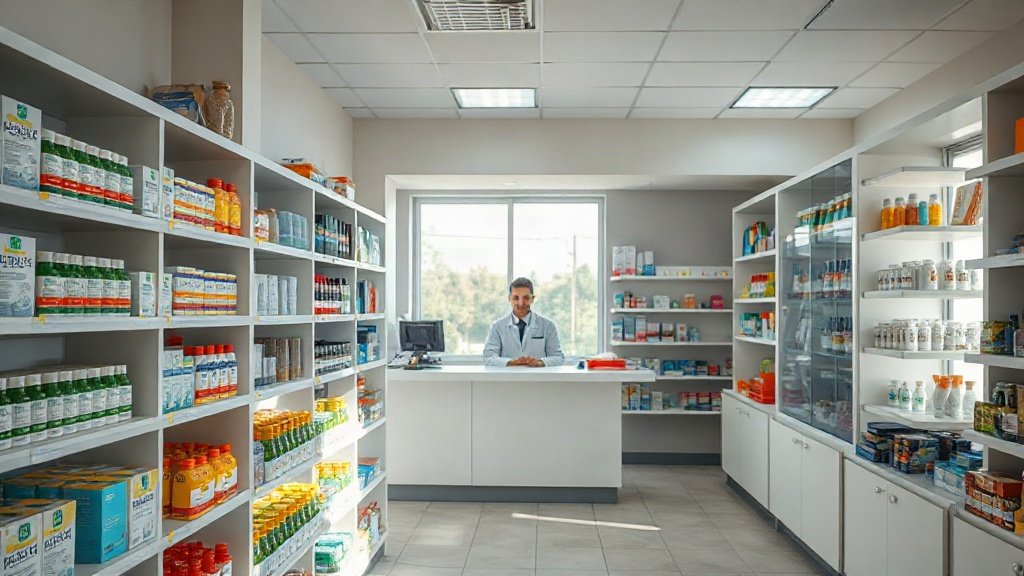
Illustration: AI-generated image
Pharmacies, or farmacii, are a familiar sight on almost every Romanian high street, marked by a green cross. Whether you need a prescription filled, advice for a minor ailment, or just a vitamin supplement, knowing how they work will save you time and stress.
Finding an open pharmacy
Most pharmacies open from Monday to Friday, roughly 9:00 to 18:00, with some closing for lunch. In larger towns and cities, you will find pharmacies open on Saturday mornings and, less often, on Sundays. For late-night or emergency needs, look for a farmacie non-stop, which stays open around the clock. These are common in big cities like Bucharest, Cluj-Napoca and Timișoara, but in smaller towns you may need to travel to the nearest city. A quick online search for "farmacie non-stop" plus your location will help.
Prescription and over-the-counter medicines
In Romania, medicines fall into two broad categories: those requiring a doctor's prescription and those available over the counter. If a Romanian doctor issues a prescription, it will usually be in Romanian, but pharmacists are accustomed to reading them and can help. Keep the prescription with you—it is needed to dispense the medicine.
For everyday complaints such as headaches, colds or minor allergies, you can buy over-the-counter products directly. Pharmacists are trained to give advice, so do not hesitate to describe your symptoms. Many common medicines have the same active ingredient as in other European countries but may be sold under different brand names. If you take regular medication for a chronic condition, it is wise to bring along the box or a note of the active ingredient to help the pharmacist find an equivalent.
What else can you buy?
Beyond medicines, Romanian pharmacies stock a wide range of health-related products: vitamins and supplements, baby care items, cosmetics, plasters, thermometers, and sometimes natural or herbal remedies. In many pharmacies you will also find a section for medical devices such as blood pressure monitors. Prices vary, and generic versions of common medicines are usually cheaper than branded ones.
Practical tips for expats and visitors
- If you are an EU citizen with a European Health Insurance Card (EHIC), you may be entitled to reduced-cost prescriptions, but most people pay the full price at the pharmacy and then claim back if eligible.
- Pharmacies do not usually dispense antibiotics without a prescription, so for infections you will need to see a doctor first.
- Some pharmacies have a small consultation room where a pharmacist can take your blood pressure or offer basic health advice free of charge.
- It helps to know a few phrases: "Am nevoie de un medicament pentru durere" (I need a painkiller) or "Aveți ceva pentru răceală?" (Do you have something for a cold?). Most pharmacists in urban areas speak at least some English.
For urgent medical problems, always go to a hospital emergency department or call 112. Pharmacies are for non-emergency needs and everyday health advice.