Romania's Free Trade Zones: A Practical Guide for Businesses
Free zones in Romania offer customs and tax advantages for companies involved in international trade. This guide explains how they work, where they are, and how to use them.
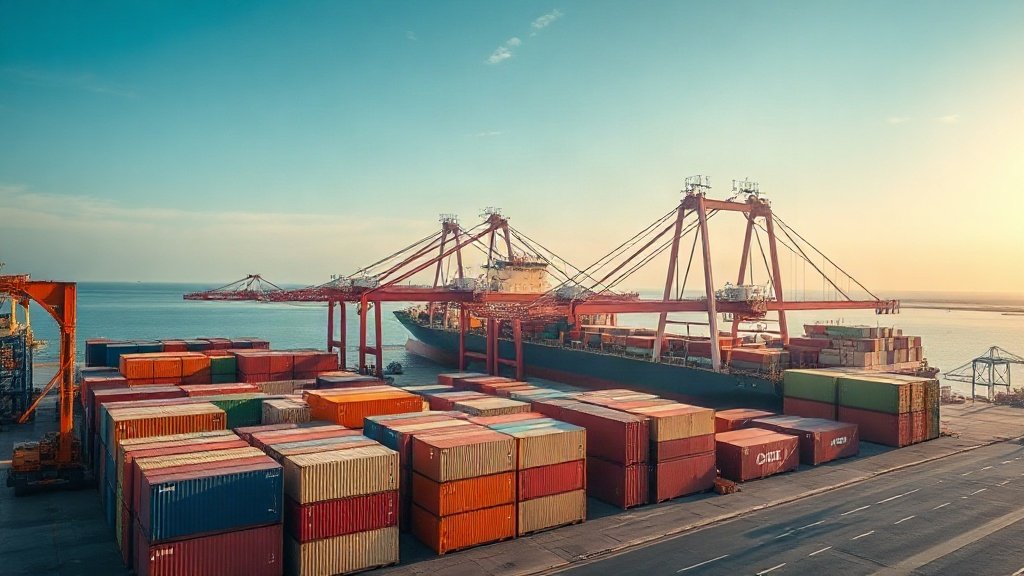
Illustration: AI-generated image
For businesses involved in importing, exporting, or manufacturing goods for international markets, Romania's free trade zones present a compelling opportunity. These designated areas operate under special customs regulations, allowing companies to store, process, and re-export goods with significant duty and tax benefits. This guide explains the fundamentals of Romanian free zones, their legal framework, locations, and practical steps for establishing operations within one.
What is a Free Trade Zone?
A free trade zone, also known as a free zone, is a clearly delimited area within a country that is treated as being outside the national customs territory for certain purposes. Goods introduced into a free zone are generally exempt from import duties, VAT, and other import-related taxes, provided they are subsequently re-exported outside the European Union. If goods are eventually released for free circulation within Romania or the EU, applicable duties and taxes become due at that point.
Romania's free zones operate under national legislation and European Union customs rules. They are designed to stimulate international trade, attract foreign investment, and create employment, particularly in port and border regions. The legal basis is Law no. 84/1992 on free zones, as subsequently amended, and relevant EU customs provisions.
Where Are Romania's Free Zones Located?
Romania hosts several free zones strategically positioned near major transport hubs and borders. The most prominent include:
- Constanța South Free Zone – Located within the Port of Constanța, the largest port on the Black Sea. This zone is a key gateway for maritime trade and offers extensive logistics and industrial facilities.
- Constanța North Free Zone – Also part of the Port of Constanța, serving as an extension of the southern zone with similar benefits.
- Galați Free Zone – Situated on the Danube River in eastern Romania, providing river and maritime access for goods moving towards Central and Eastern Europe.
- Brăila Free Zone – Also on the Danube, focusing on industrial and commercial activities with good rail and road connections.
- Curtici Free Zone – Near the western border with Hungary, serving as a land-based hub for rail and road freight entering the EU from non-EU countries.
- Sulina Free Zone – At the mouth of the Danube Delta, primarily focused on maritime and fishing-related activities.
Each zone has its own administrative structure and may offer additional local incentives, but the core customs benefits are uniform across the country.
Key Benefits for Businesses
Operating within a free zone provides several advantages for companies engaged in international trade:
- Customs Duty Suspension – Goods entering the zone from outside the EU are not subject to import duties until they are released for free circulation in the EU. If re-exported, no duties are ever paid.
- VAT Exemption – Supplies of goods into and within the free zone are generally exempt from VAT, reducing cash-flow pressure on importers and traders.
- Simplified Customs Procedures – Businesses benefit from streamlined documentation and controls, with fewer formalities than standard import/export operations. Goods can be stored, repacked, processed, or exhibited without immediate customs clearance.
- No Time Limits for Storage – Goods may remain in the free zone indefinitely, allowing companies to hold stock and defer duty payments until a buyer is found.
- Value-Added Activities Allowed – Companies can perform manufacturing, assembly, labelling, quality control, and other operations within the zone. Only the value of the final product, not the original components, is subject to duty when goods enter the EU market.
- Strategic Location – Many zones are situated at major transport nodes, reducing logistics costs and transit times for international shipments.
How to Operate in a Free Zone
To take advantage of a free zone, a company must first obtain authorisation from the zone administrator and the relevant customs authority. The process typically involves:
- Registering a legal entity in Romania, if the business does not already have one.
- Submitting an application to the free zone administration, detailing the intended activities, premises, and goods to be handled.
- Securing a physical space within the zone, either by leasing existing facilities or constructing new ones, subject to zone regulations.
- Obtaining customs approval for the company's record-keeping system, which must allow the customs authority to monitor goods movements accurately.
- Complying with ongoing reporting requirements, including periodic inventory declarations and notifications for goods entering or leaving the zone.
While the process is relatively straightforward, it is advisable to engage a local customs broker or legal advisor familiar with Romanian free zone regulations to ensure full compliance.
Practical Considerations
Free zones are not suitable for every business. Companies that sell primarily to the domestic Romanian market or within the EU may find that the administrative requirements outweigh the benefits, as goods destined for EU free circulation will still trigger duties and VAT upon exit. Free zones are most advantageous for importers, re-exporters, and companies involved in international distribution, light manufacturing, or logistics services.
Additionally, while goods in the free zone are exempt from import duties, they may still be subject to other controls, such as sanitary or phytosanitary checks, depending on the nature of the products. Businesses should also be aware that the free zone perimeter is under customs supervision, and all goods movements are recorded. Nevertheless, for companies with significant international trade volumes, Romania's free zones can deliver meaningful cost savings and operational flexibility.