Doing Business in Bucharest: A Practical Guide
Bucharest is Romania's economic powerhouse and a growing hub for international business. This guide covers the key sectors, infrastructure and practical considerations for setting up in the capital.
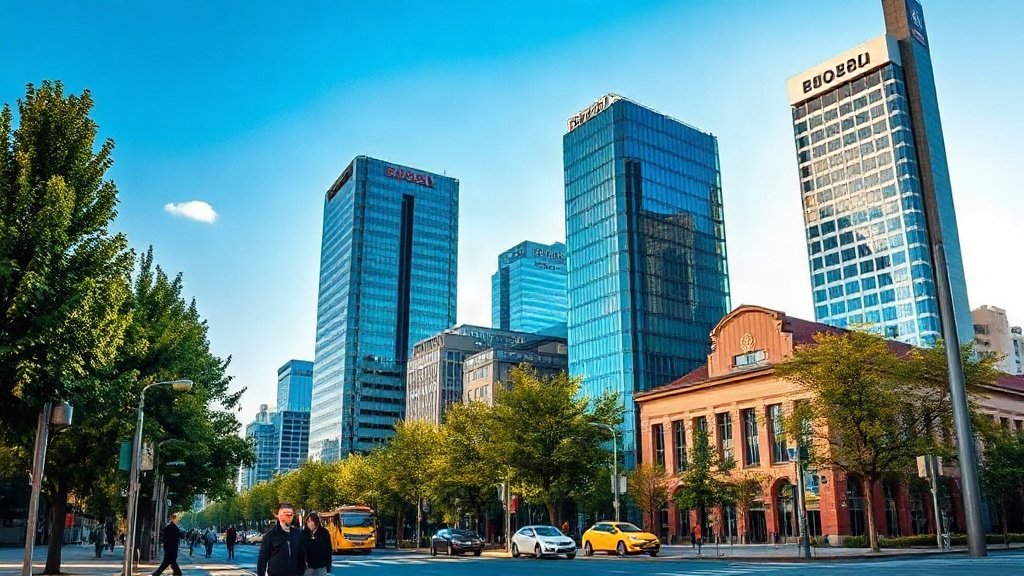
Illustration: AI-generated image
Bucharest is the natural first stop for many companies entering Romania. As the capital and largest city, it accounts for around a quarter of the country's GDP and hosts the headquarters of most major Romanian and international firms. The city offers a large consumer market, a skilled workforce and improving infrastructure, making it a compelling base for operations across Southeast Europe.
Key Economic Sectors
Bucharest's economy is diverse, with several strong clusters. The IT and business services sector is the most dynamic, with thousands of software developers, engineers and shared services professionals. Many global companies run their regional hubs from the capital. Financial services are also significant, with banks, insurers and fintech firms concentrated in the city centre. Other notable sectors include professional services, creative industries, and increasingly, manufacturing and logistics, supported by industrial parks on the outskirts.
Business Environment and Legal Framework
Romania has a relatively straightforward company registration process, and Bucharest's trade registry office handles the bulk of national registrations. The most common legal entity for small and medium businesses is the limited liability company (SRL), which can be set up in a matter of days. The regulatory environment aligns with EU standards, and the city benefits from a network of business consultants, lawyers and accountants experienced in supporting foreign investors. English is widely spoken in business circles, reducing language barriers for newcomers.
Infrastructure and Connectivity
Bucharest is well connected both domestically and internationally. Henri Coandă International Airport offers direct flights to most European capitals and several Middle Eastern hubs. The city's metro system, though not extensive, covers key business districts, and an expanding tram and bus network serves the wider metropolitan area. Traffic congestion can be challenging, so many companies opt for office locations near metro stations or in business parks on the city's northern edge. High-speed internet is widely available and among the fastest in Europe, supporting digital businesses.
Talent and Workforce
Bucharest's universities produce a steady stream of graduates in engineering, economics, IT and foreign languages. The labour pool is young, multilingual and increasingly experienced with international work cultures. Salaries in the capital are higher than the national average but remain competitive compared to Western Europe, making it attractive for companies seeking skilled staff at reasonable cost. However, competition for top talent is intense, especially in IT and digital roles, so companies often invest in employer branding and flexible working arrangements.
Practical Steps for Setting Up
For a smooth entry, start by defining your operational needs: office space, local hiring and banking. Engage a local accountant or legal advisor early to handle registration, tax and employment paperwork. Consider coworking spaces or serviced offices for the first months, as they offer flexibility and networking opportunities. Join business chambers such as the American Chamber of Commerce or the British Romanian Chamber of Commerce to connect with peers and stay informed about regulatory changes.
Bucharest rewards those who invest time in understanding its rhythms. The city is a hub of energy and opportunity, and with the right preparation, it can serve as an excellent springboard for business across the region.