Romanian Bread: A Guide to Traditional Loaves and Rolls
From crusty country loaves to soft potato bread, Romanian bakeries offer a rich variety of daily breads. Here's what to look for and how they're typically enjoyed.
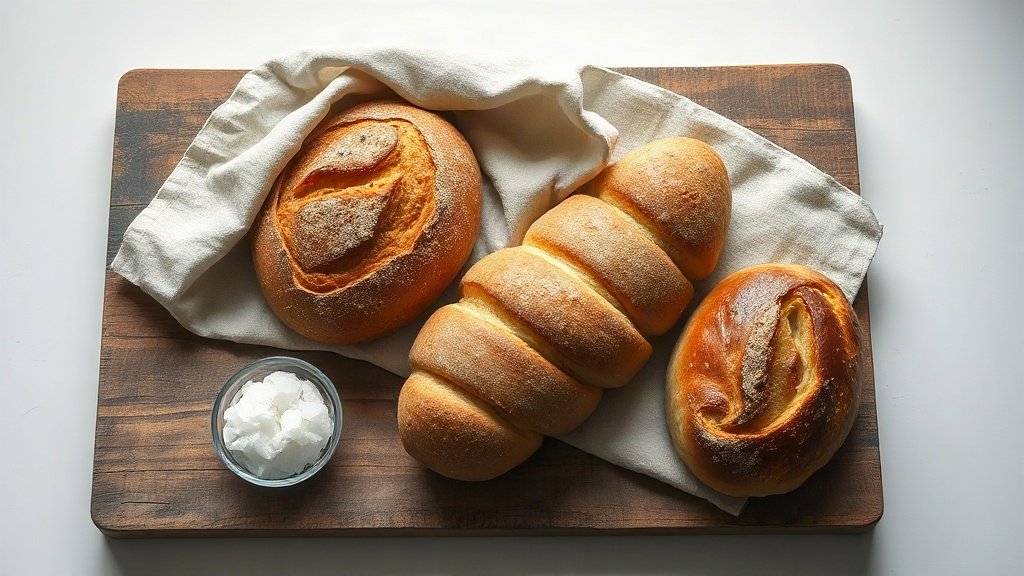
Illustration: AI-generated image
Bread is more than just a side dish in Romania – it is a symbol of hospitality, a daily necessity and a proud artisan tradition. While supermarkets stock industrially produced loaves, many Romanians still buy their bread fresh from a neighbourhood bakery or make it at home, and regional varieties reflect local ingredients and customs. Here is a guide to the most common traditional breads you will encounter.
A daily staple
At almost every Romanian meal, a basket of bread sits at the centre of the table. It is used to mop up sauces, to accompany soups and stews, or simply eaten with a sprinkle of salt and a spring onion. Bread is so integral that the common greeting “Să ai pâine pe masă” (“May you have bread on the table”) expresses a wish for prosperity and well-being.
Pâine de casă: the homemade loaf
The most beloved bread is pâine de casă, meaning “homemade bread.” Traditionally baked in a wood-fired oven, it has a thick, crusty exterior and a soft, airy crumb. The dough is typically made with white wheat flour, water, yeast or sourdough starter, and salt; some recipes add a little milk, lard or oil for a richer texture. The loaf is usually round or oval, with a deep cross scored on top to help it expand. Country bread keeps well for a few days and is perfect for sopping up the juices from a plate of sarmale or a hearty ciorbă.
Pâine cu cartofi: potato bread
Another everyday favourite is pâine cu cartofi, a soft bread made with mashed potatoes added to the dough. The potatoes give the bread a moist, tender crumb and a slightly sweet flavour, and it stays fresh longer than plain white bread. It is often shaped into small rolls or a large loaf, and is particularly good for sandwiches or toasted with butter and jam at breakfast.
Colaci and celebration breads
For special occasions, Romanians bake colaci – braided or twisted loaves that are more decorative than everyday bread. These are not to be confused with cozonac, the sweet, enriched bread filled with nuts or poppy seeds that is served at Christmas and Easter. Colaci are usually unsweetened, made with a simple yeast dough, and shaped into rings, braids or even intricate knots. They are traditionally given as gifts at weddings, baptisms and funerals, and are often placed in the coffin or offered to guests in memory of the deceased.
Rye and mixed-grain breads
In Transylvania and other regions with Germanic influence, dark rye breads are common. These loaves are denser and more flavourful than white bread, often containing caraway seeds, and they pair beautifully with smoked meats, cheeses and pickles. Mixed-grain breads made with a combination of wheat, rye and sometimes barley are also popular for their hearty texture and nutty taste.
How to enjoy Romanian bread
There is no wrong way to eat bread in Romania, but these are some classic combinations:
- With soup or stew: Tear off a chunk and dip it into ciorbă, or use it to wipe the bowl clean after a bean stew.
- As a simple snack: Fresh bread with butter and a sprinkle of salt, or with a ripe tomato and a bit of onion.
- For breakfast: Toasted slices with jam or honey, or spread with zacuscă (a roasted vegetable spread).
- With cheese and cold cuts: Build an open-faced sandwich with telemea cheese, sliced tomatoes and a drizzle of sunflower oil.
Wherever you travel in Romania, seek out a local bakery in the morning and buy a loaf still warm from the oven. Bread is a humble food, but in Romania it is treated with deep respect – a taste of home that no meal is complete without.