Piftie: Romania's Savoury Meat Jelly Explained
Piftie, Romania's traditional meat jelly, is a winter staple with a unique texture and garlicky flavour. Here's what it is, how it's made, and how to enjoy it like a local.
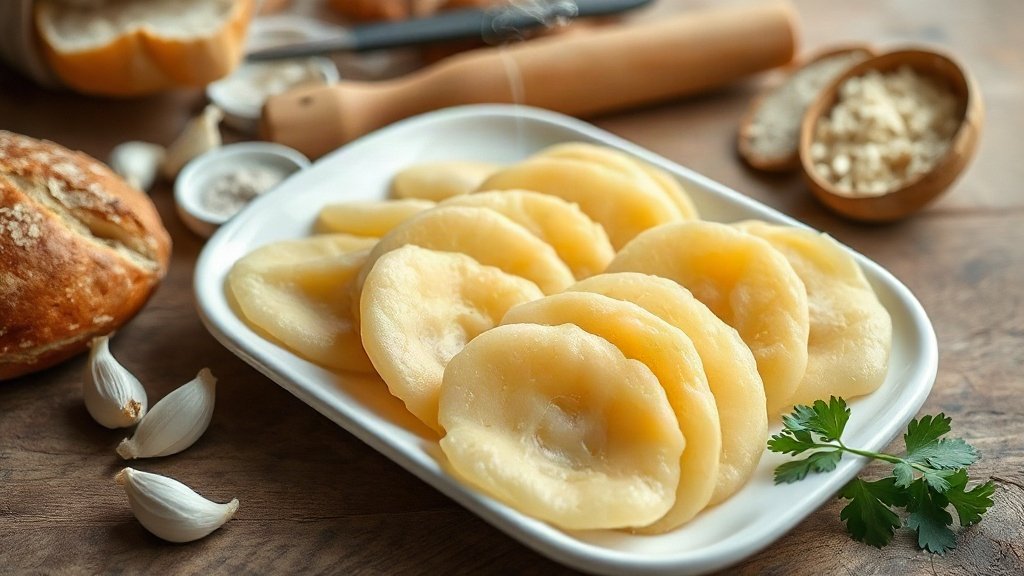
Illustration: AI-generated image
Piftie, also known as răcituri, is one of Romania's most distinctive traditional dishes. This savoury meat jelly, typically made from pork, is a winter staple that often surprises visitors with its wobbly texture and intense garlic flavour. Served cold and often accompanied by crusty bread and a glass of țuică, piftie is a true taste of Romanian home cooking and festive celebrations.
What is piftie?
Piftie is a clear meat jelly made by simmering pork parts rich in natural gelatine, such as trotters, ears, or skin, along with meat and vegetables. The broth is seasoned generously with garlic, then set into a jelly in a cool place. Once firm, it is cut into slices and served as a starter or snack. The dish is especially popular during the winter holidays, when it appears on tables for Christmas and New Year's Eve, but it can be found in homes and traditional restaurants throughout the colder months.
A dish with humble roots
The origins of piftie lie in rural practicality: using every part of the animal and relying on natural gelatine without commercial thickeners. In the past, the dish was a way to preserve meat during winter, when temperatures naturally helped the jelly set. Today, piftie remains a beloved comfort food, often prepared in large batches for family gatherings and shared with neighbours. Its glistening, amber-coloured appearance and robust garlic taste make it instantly recognisable on a Romanian table.
How piftie is made
Traditional piftie starts with boiling pork trotters, ears, or skin together with leaner pieces of meat, such as pork shoulder or hock, along with onions, carrots, bay leaves, and peppercorns. The mixture simmers for several hours until the meat is tender and the liquid is rich in collagen. The meat is then separated from the bones, shredded, and placed into bowls or moulds. The strained broth is poured over, and minced garlic is added just before cooling.
No gelatine powder is used—the natural gelatine from the pork parts does the work. Once the liquid cools to room temperature and then chills, it sets into a firm but delicately trembling jelly. The ratio of broth to meat can vary, with some preferring a meatier version and others a clearer, more gelatinous one.
How to serve and eat piftie
Piftie is always served cold, sliced into neat rectangles or squares. It is traditionally presented on a platter, often garnished with a few slices of boiled carrot or parsley leaves. A key companion is mujdei, Romania's fiery garlic sauce, or simply extra raw garlic cloves on the side. A slice of fresh country bread, a sprinkle of salt, and perhaps a pickled pepper complete the experience.
For the best texture, piftie should be eaten within a few days of making and kept refrigerated. It is not typically reheated; serving it cold is essential to enjoy its firm yet melt-in-the-mouth quality.
Where to find piftie
During winter, piftie appears in many traditional Romanian restaurants and guesthouses, often listed among the starters. It is also a common sight at food markets and butchers' shops around the holidays, sold by the slice. For those who prefer to make it at home, the ingredients are widely available at local butcheries, and many families treasure their own recipes handed down through generations.
Whether you are a curious visitor or a long-time resident, piftie offers a genuine taste of Romanian culinary tradition—a dish that celebrates resourcefulness, flavour, and the joy of sharing food in the coldest season.