A Practical Guide to Opening a Restaurant in Romania
Starting a restaurant in Romania involves several legal steps, from choosing a business structure to obtaining the right permits. This guide breaks down the process for new owners.
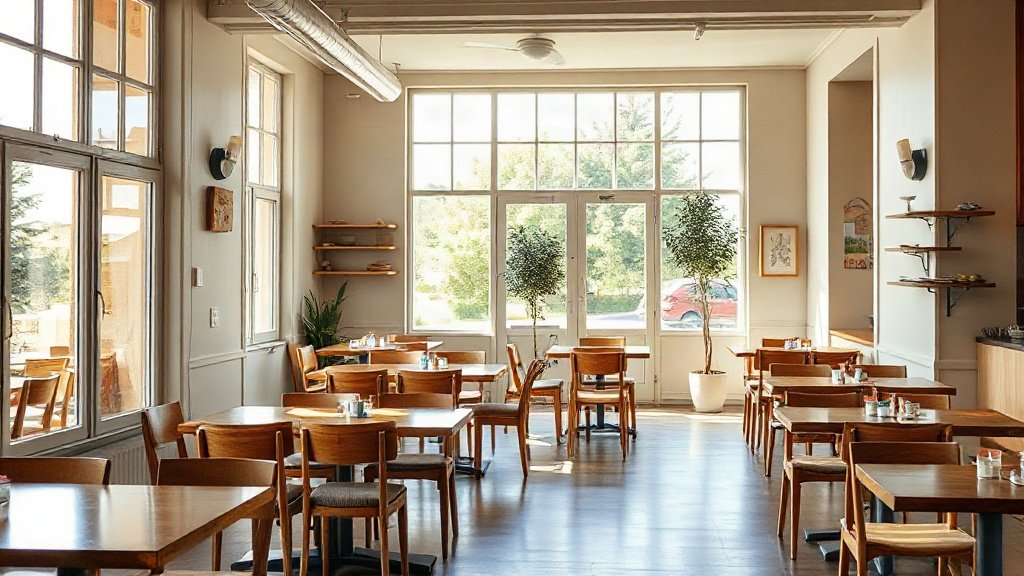
Illustration: AI-generated image
Romania’s food and hospitality sector continues to attract entrepreneurs, and opening a restaurant can be a rewarding venture. However, the process involves several legal and administrative steps that must be completed correctly from the start.
Choosing a Legal Structure
The most common business structure for a restaurant is a limited liability company (SRL). It offers limited liability for shareholders and is relatively straightforward to set up. You will need to reserve a company name, draft articles of association, open a bank account for share capital, and register with the National Trade Register Office (ONRC).
Other options include a sole trader (PFA) or a general partnership, but an SRL is generally preferred for hospitality businesses due to its flexibility and credibility.
Essential Permits and Registrations
Before you can open your doors, you must obtain several permits:
- Sanitary authorisation from the local public health directorate (DSP). This confirms that your premises meet hygiene standards.
- Veterinary and food safety authorisation from the National Sanitary Veterinary and Food Safety Authority (ANSVSA) if you handle animal products.
- Fire safety permit from the local inspectorate for emergency situations (ISU).
- Environmental authorisation if your restaurant produces significant waste or emissions.
- Operating licence from the local city hall, which confirms your business can operate at the chosen location.
You must also register your point of sale with the National Agency for Fiscal Administration (ANAF) and obtain a fiscal cash register, which is mandatory for most retail and hospitality businesses.
Staffing and Labour Rules
When hiring staff, you must comply with Romanian labour law. This includes drafting individual employment contracts, registering them in the electronic register of employees (REVISAL), and paying social contributions. The minimum wage is set by law and may change, but you must pay at least that amount for full-time employees.
Consider the specific requirements for kitchen and serving staff, including health checks and, for some roles, food handling certificates. Working time regulations, rest periods and annual leave must also be respected.
Tax and Accounting Obligations
Restaurants in Romania are subject to corporate income tax or, if eligible, the micro-company tax regime. Value Added Tax (VAT) applies to food and beverage sales, though some items may be reduced rate. You must issue receipts for every sale and keep accurate accounting records.
It is advisable to work with a local accountant who is familiar with hospitality-specific deductions and reporting requirements. Regular tax returns and financial statements must be filed on time to avoid penalties.
Practical Considerations
Location is critical: check local zoning rules and ensure the premises are suitable for food preparation. Consider waste disposal, ventilation, and accessibility requirements. Building a strong relationship with local suppliers can help with consistent quality and pricing.
Finally, keep an eye on consumer protection rules enforced by the National Authority for Consumer Protection (ANPC). Menus must clearly display prices, and you must respect customer rights regarding complaints and refunds.
Opening a restaurant takes time and preparation, but with careful planning and compliance, you can establish a successful business in Romania’s vibrant culinary scene.