How to Make Varza Murată: Romania's Traditional Fermented Cabbage
A step-by-step guide to making your own crunchy, tangy sauerkraut at home, just like Romanian families have done for generations.
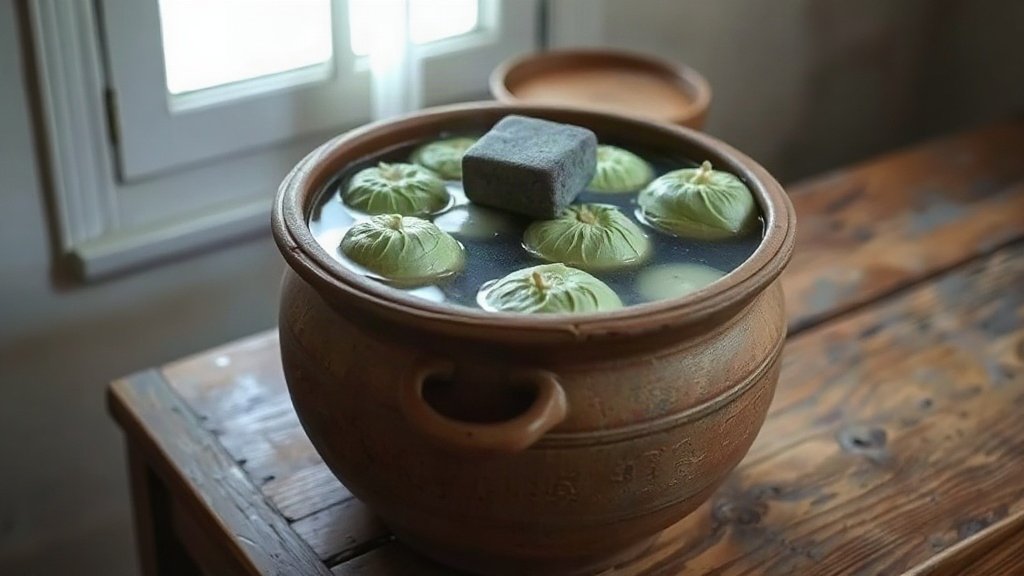
Illustration: AI-generated image
Fermented cabbage, known in Romania as varza murată, is a cornerstone of the country's winter kitchen. Unlike the finely shredded sauerkraut common in Western Europe, Romanian varza murată is typically made with whole cabbage heads, resulting in large, tender leaves perfect for wrapping sarmale or serving as a tangy side dish. The process is simple, requires no special equipment, and rewards you with a probiotic-rich food that keeps for months in a cool place.
Why Make Your Own?
Homemade varza murată has a freshness and crunch that shop-bought versions rarely match. It also allows you to control the salt level and avoid preservatives. In Romania, the tradition of making varza murată each autumn is a family affair, often involving large barrels or plastic tubs. Even if you live in a small apartment, you can make a smaller batch using a large glass jar or food-grade bucket. The key is to create an anaerobic environment where beneficial bacteria can thrive while harmful ones are kept at bay.
Choosing Your Cabbage
Select firm, heavy heads of white cabbage with tight leaves. In Romania, the preferred variety is a late-autumn cabbage with a slightly flattened shape, but any good-quality white cabbage will work. Avoid cabbages with signs of rot, excessive blemishes, or wilted outer leaves. The size of your container will dictate how many heads you can ferment at once. A 5-litre jar can typically hold one medium cabbage, while a 10-litre bucket can accommodate two or three.
Basic Equipment
You will need a clean container – a large glass jar, a ceramic crock, or a food-grade plastic bucket with a lid. The container must be thoroughly washed and rinsed, as any soap residue can interfere with fermentation. A heavy object to keep the cabbage submerged is essential. In Romania, a clean, boiled stone or a small plate weighed down with a jar of water is common. You will also need coarse salt without iodine or anti-caking agents, as these additives can inhibit fermentation.
Step-by-Step Method
- Remove any damaged outer leaves from each cabbage, but keep a few clean outer leaves aside. Rinse the cabbages well under cold water.
- Using a sharp knife, cut out the core from each cabbage, leaving a hole about the size of a small apple. You can also make a cross-shaped cut partway into the core area from the bottom to help the brine penetrate.
- Dissolve salt in water to make a brine. A common ratio is about 30 grams of salt per litre of water (roughly 2 tablespoons per litre). You will need enough brine to completely cover the cabbages.
- Place the cabbages in your container, packing them tightly. If using multiple cabbages, arrange them so there are no large gaps.
- Pour the brine over the cabbages until they are fully submerged. Use the reserved outer leaves to cover the top of the cabbages, then place your weight on top to keep everything below the liquid.
- Cover the container loosely with a lid or a clean cloth to allow gases to escape while keeping out dust and insects. If using a lid, do not seal it tightly during the first week of active fermentation.
- Store the container in a cool place, ideally between 15°C and 20°C. Fermentation will start within a few days, and you will see small bubbles rising. This is normal.
- Check the brine level every couple of days. If the cabbages are exposed to air, top up with additional brine made at the same ratio. Skim off any white scum that forms on the surface; this is harmless yeast, but removing it keeps the brine clear.
When Is It Ready?
Varza murată is ready after about two to three weeks, depending on the temperature and your taste preference. Warmer conditions speed up fermentation, while cooler temperatures slow it down. Taste a small piece of leaf after two weeks – it should be pleasantly sour but still crunchy. If you prefer a stronger flavour, let it ferment for another week. Once it reaches your desired sourness, move the container to a much cooler place, such as a cellar, balcony (if above freezing), or refrigerator. Properly stored, it will keep for several months.
Using Your Varza Murată
The most iconic use is in sarmale – Romanian stuffed cabbage rolls. The large, pliable leaves are perfect for wrapping a filling of minced meat, rice, and herbs. The fermented cabbage also adds a distinctive tang to soups and stews, such as ciorbă de varză (cabbage soup) or varză călită (braised cabbage). Thinly sliced, it makes a refreshing salad with a drizzle of sunflower oil and a sprinkle of paprika. The brine itself, known as moare, is sometimes drunk in small amounts as a traditional remedy or used as a base for pickling other vegetables, though its strong flavour is not for everyone.
Making your own varza murată connects you with a timeless Romanian tradition and provides a versatile, healthy staple for the colder months. With just cabbage, salt, water, and a little patience, you can fill your kitchen with the unmistakable aroma of a Romanian autumn.