Using the Port of Constanța: A Guide for Importers and Exporters
A practical overview of Romania's main seaport, its advantages for trade, and how businesses can use it for efficient import and export.
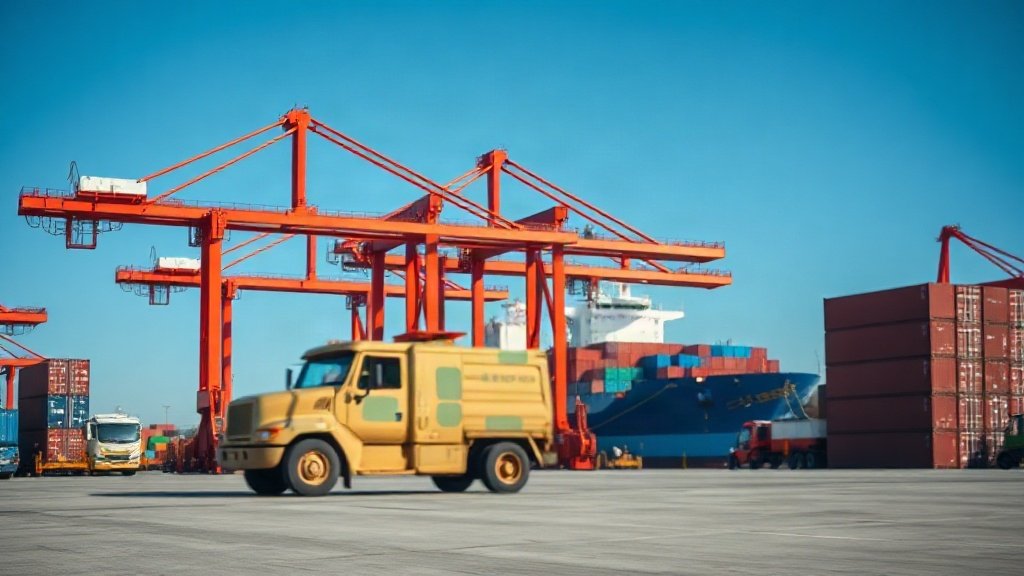
Illustration: AI-generated image
The Port of Constanța is Romania’s main seaport and one of the largest ports on the Black Sea. For businesses involved in international trade, it offers a strategic gateway between Europe and Asia, with excellent connections to the Danube River and the European transport network. This guide explains what makes the port attractive and how importers and exporters can make the most of it.
Strategic Location
Situated on the western coast of the Black Sea, Constanța provides a natural entry point for goods moving between Central and Eastern Europe and markets in the Middle East, the Caucasus, and beyond. The port is linked to the Rhine–Main–Danube corridor, allowing cargo to travel by barge deep into the European continent. This multimodal connectivity reduces transit times and costs compared with routes via northern European ports.
Key Terminals and Facilities
The port comprises several specialised terminals, including those for containers, general cargo, bulk materials, and roll-on/roll-off (Ro-Ro) vessels. The container terminal handles a significant share of Romania’s containerised trade, with modern equipment and storage areas. Bulk terminals manage commodities such as grain, coal, and chemicals, while Ro-Ro facilities serve vehicle and trailer shipments. Additionally, there are dedicated areas for liquid bulk and project cargo, making the port versatile for various industries.
Connectivity and Transport Links
Constanța is well connected to Romania’s road and rail networks. The A2 motorway links the port to Bucharest in about two hours, while rail lines provide direct access to major industrial centres. The Danube–Black Sea Canal shortens the route from the port to the Danube, enabling barge transport to countries like Serbia, Hungary, and Austria. Regular feeder services connect Constanța with other Black Sea ports and larger transhipment hubs in the Mediterranean.
Practical Steps for Using the Port
Businesses looking to import or export through Constanța should first identify the most suitable terminal for their cargo type. It is advisable to work with a local freight forwarder or customs agent who understands the port’s procedures and can coordinate logistics. Advance booking of vessel slots and terminal services is recommended, especially during peak seasons. Ensure all documentation complies with Romanian and EU customs regulations to avoid delays.
Customs and Documentation
As Romania is an EU member state, goods traded within the EU move freely without customs formalities. For non-EU trade, standard import/export declarations are required, and businesses must have an EORI number. The port’s customs office processes documents electronically, and most clearances can be completed quickly if paperwork is in order. It is also important to be aware of any specific licences or certificates required for regulated goods such as food, pharmaceuticals, or chemicals.
Conclusion
The Port of Constanța is a vital asset for Romanian trade and a practical choice for businesses seeking efficient access to Black Sea and European markets. By understanding its facilities, connections, and procedures, importers and exporters can streamline their supply chains and reduce costs. For many companies, using Constanța is a smart alternative to longer routes through northern or western European ports.