Experts explain obstacles to seismic consolidation in Bucharest
Only 37 earthquake-risk buildings have been consolidated in Bucharest over 32 years, with over 2,300 still awaiting works. Experts point to ownership disputes, costs and reluctance to move as key hurdles.
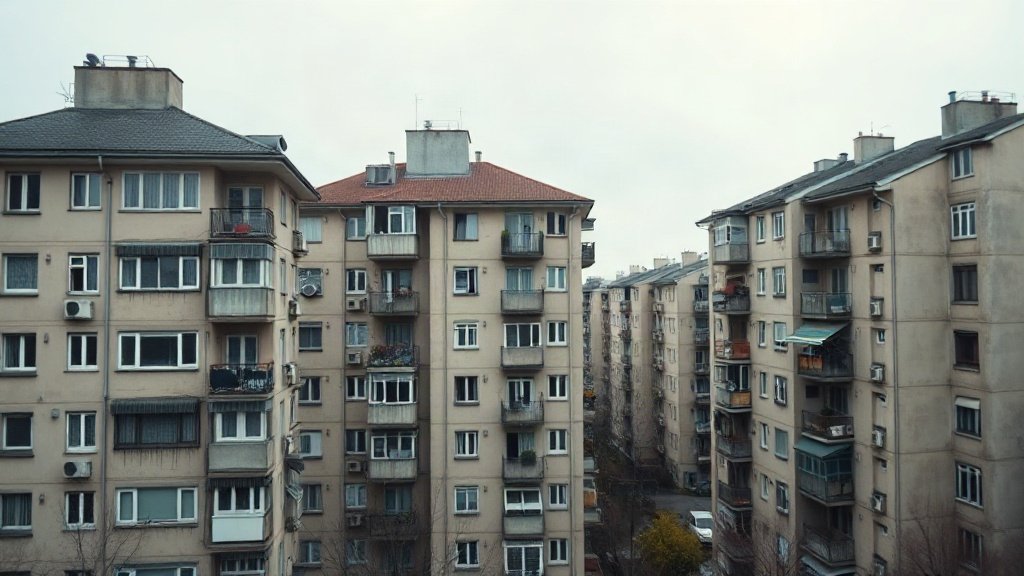
Illustration: AI-generated image
Bucharest has consolidated just 37 earthquake-risk buildings in the past 32 years, while more than 2,300 officially expertised buildings still need work, according to city data. Experts say a mix of ownership hurdles, financial concerns and personal reluctance is slowing progress, leaving many residents in structures vulnerable to a major seismic event.
The issue resurfaced recently after a block in Drumul Taberei was evacuated when a crack appeared across three floors. The city hall said the fissure had been known for nine years, but owners had refused the proposed solution.
Legal changes have made entry into consolidation programmes easier over time. Until 2018, all owners had to agree; by 2022, the threshold dropped to half plus one. Financing is now provided largely by the state through a national programme, but residents still contribute up to 20% of works. For an 80-square-metre flat, that can mean around 20,000 euros, payable interest-free over 15 years. During works, the city provides temporary housing or rent support.
Still, projects often stall. Răzvan Munteanu, director of the Municipal Administration for Consolidation of Seismic Risk Buildings, gave an example: a building on Bălcescu Boulevard has 40 apartments, 30 of which want consolidation. The other 10 oppose it, citing costs. Two competing owners' associations are now in litigation, and the Development Ministry has suspended payments until the dispute is resolved.
Matei Sumbasacu, founder of the Association for Seismic Risk Reduction, says owners' associations lack legal tools to compel a dissenting minority to vacate or pay. He also notes emotional factors: some elderly or disabled residents simply do not want to move, while others fear the disruption. In some blocks, owners earning income from illegal rentals or rooftop advertising may resist consolidation because it would end that revenue.
Cost remains a barrier. Consolidation of a small two-storey block on Baltagului Street cost about 10 million lei plus VAT, a figure that discourages some owners despite state support. Munteanu adds that many residents still expect the works to be completely free, while lingering distrust of the city hall after past delays further slows decisions.
Both experts agree that without stronger mechanisms to enforce majority decisions and more financial clarity, the backlog of buildings awaiting consolidation will remain a long-term risk for the capital.