Leurdă: Romania's Wild Garlic and How to Cook with It
Learn about leurdă, the fragrant wild garlic that signals spring in Romania, and discover traditional ways to enjoy it.
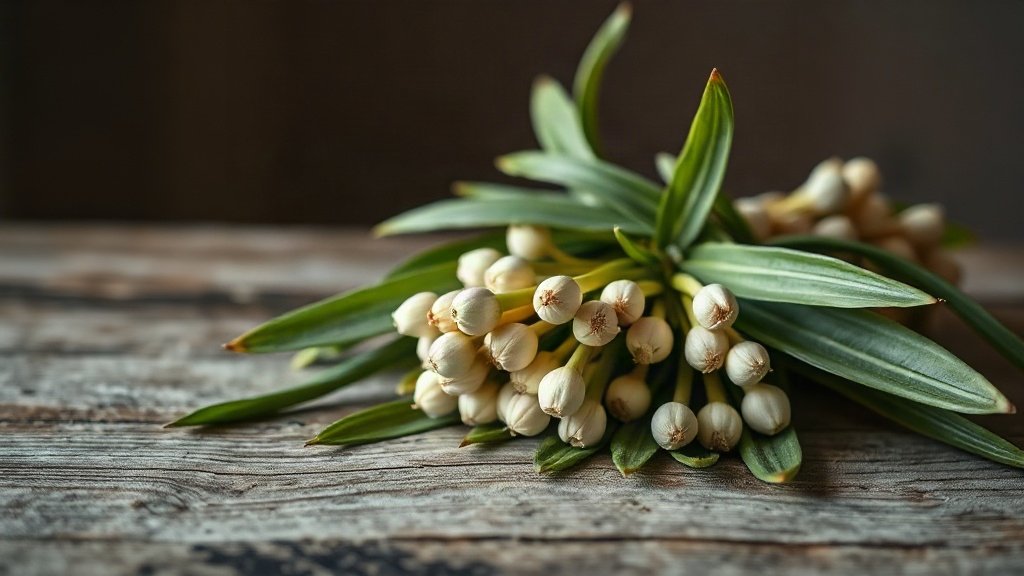
Illustration: AI-generated image
As winter fades and the first warm days arrive, Romanians head to forests and meadows with a simple mission: to pick leurdă. This wild garlic, known scientifically as Allium ursinum, has been a cherished spring ingredient for centuries. Its broad green leaves and pungent garlic scent make it unmistakable, and its delicate flavour has earned it a place in many traditional dishes.
What is leurdă?
Leurdă is a perennial plant native to Europe and Asia, growing in damp, shady woodlands. In Romania, it appears from late March to May, depending on altitude and weather. The leaves are similar to lily of the valley but are distinguished by their strong garlic aroma when crushed. This aroma comes from allicin, the same compound found in cultivated garlic but in a milder form. Unlike common garlic, the bulb is small and rarely used; it is the leaves that are prized.
Foraging and buying leurdă
Foraging for leurdă is a beloved springtime activity, but caution is essential: its leaves resemble those of the toxic lily of the valley (Convallaria majalis). The key difference is the smell – leurdă smells distinctly of garlic, while lily of the valley has no such scent. If you are not an experienced forager, the safest option is to buy leurdă from local markets, where it is often sold in bunches during its short season. Always wash leaves thoroughly before use.
Traditional culinary uses
In Romanian cuisine, leurdă is incredibly versatile. The leaves can be eaten raw in salads, cooked like spinach, or blended into pestos and spreads. Here are some classic preparations:
- Leurdă salad: Fresh leaves are chopped and mixed with hard-boiled eggs, a little oil and vinegar.
- Leurdă spread: Blended with sunflower oil, salt and sometimes lemon, similar to a pesto, served on bread.
- Ciorbă de leurdă: A sour soup made with the leaves, rice or potatoes, and often finished with smântână.
- Plăcintă cu leurdă: A savoury pie filled with chopped leurdă, eggs and cheese.
- Leurdă with mămăligă: Sautéed leaves served alongside polenta and a fried egg.
Because of its short season, many Romanians also preserve leurdă by freezing chopped leaves or making a salted paste to use throughout the year.
How to cook with leurdă
Leurdă is best used fresh, as its flavour diminishes with prolonged cooking. For a simple side dish, sauté chopped leaves in a little butter or oil for one to two minutes until wilted, then season with salt and pepper. For a vibrant pesto, blend a large handful of leaves with sunflower seeds or walnuts, grated cheese, oil and a squeeze of lemon. This pesto can be stirred into pasta, spread on toast or used as a topping for grilled meats.
If you can't find fresh leurdă, some specialty shops sell jars of pickled leurdă or frozen leaves. These work well in soups and cooked dishes, though the fresh version is always superior.
Why it matters
Leurdă is more than just an ingredient; it is a sign of spring and a link to Romania's foraging heritage. Its growing popularity among chefs and home cooks reflects a wider interest in seasonal, local produce. Trying leurdă is a simple way to taste the Romanian landscape when it is at its most vibrant.