Ielele: Romania's Forest Fairies of Dance and Mystery
From moonlit clearings to whirlwind dances, the Iele are among Romania's most captivating supernatural beings. Here's what tradition says about these forest fairies.
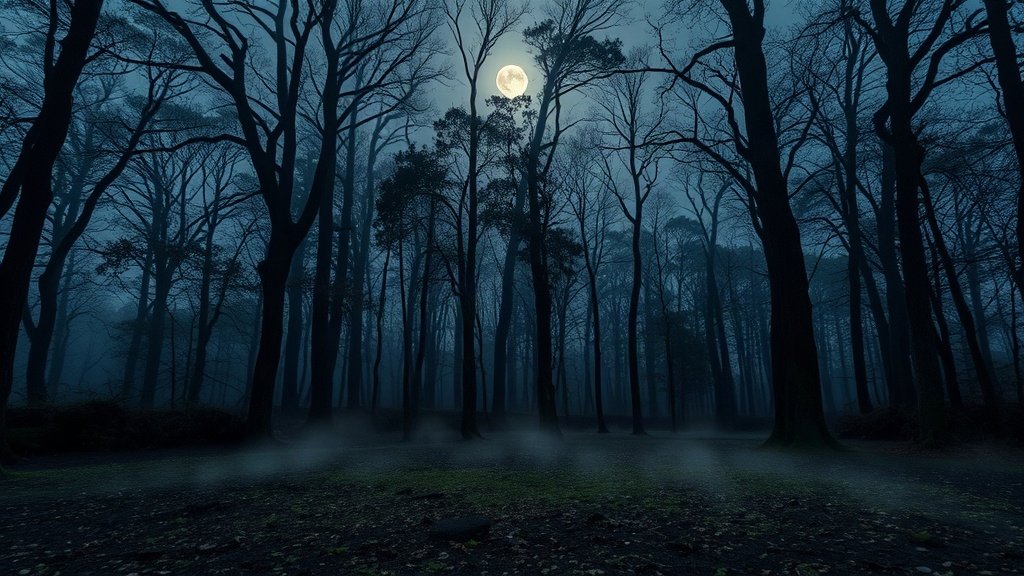
Illustration: AI-generated image
In the deep forests and remote clearings of Romania, folklore tells of the Iele — enchanting female spirits who dance by moonlight and captivate anyone who stumbles upon their revels. These supernatural beings are neither wholly good nor evil, but they demand respect and distance, and their legends have echoed through Romanian culture for centuries.
Who are the Iele?
The Iele (pronounced ee-EH-leh) are often described as beautiful young women with long flowing hair, dressed in white or transparent garments. They are said to live in the woods, near springs, caves, or old ruins, and they gather at night, especially on certain feast days, to dance in circles. The word iele comes from the Romanian ielele, possibly derived from iele, an old term for "they" (feminine plural), reflecting their otherworldly nature.
Unlike fairies of Western Europe, the Iele are not tiny winged creatures. They are life-sized, ethereal, and impossibly graceful. Their dance is said to be so hypnotic that anyone who sees it is drawn in, but joining them is dangerous: the dancers move with supernatural speed and strength, and a mortal who enters the circle may be whirled away, left exhausted, injured, or even vanished. The Iele are also associated with sudden whirlwinds or dust devils, which some say are caused by their dancing.
When and where do they appear?
According to tradition, the Iele are most active on certain nights of the year, particularly around the feast of Sânziene (24 June), the Rusaliile (Pentecost), and other summer nights when the veil between worlds is thin. They choose secluded spots: forest clearings, mountain meadows, or abandoned places. In some regions, people say the Iele can be heard singing or playing instruments, their music drifting on the breeze.
How to protect yourself
Folk wisdom offers various ways to avoid the Iele's attention. One common piece of advice is to never whistle or call out at night, especially in the woods, because it might attract them. Carrying garlic, wormwood (pelin), or lovage (leuștean) is said to ward them off. If you encounter a whirlwind, you should cross yourself and step aside, or throw a knife into the dust to break the spell. Some say the Iele are afraid of loud noises and iron, so carrying an iron nail or ringing a bell could help.
Despite their dangerous reputation, the Iele are not always hostile. In some stories, they bless those who leave offerings of food or flowers at their chosen places, and they are said to protect the forest and its creatures. They are also associated with healing springs, and in some tales, a person who drinks from a spring where the Iele have bathed may be cured of illness — but only if they are pure of heart.
The Iele in Romanian culture
The Iele have inspired poets, composers, and painters. The great Romanian poet Mihai Eminescu wrote about them in his poem Călin (file din poveste), and they appear in folk ballads and tales throughout the country. In music, the doina and other folk melodies sometimes evoke their haunting dance. Even today, the Iele remain a symbol of the mysterious and untamed side of nature, a reminder that the forest has its own rules and its own spirits.
For visitors to Romania, the legend of the Iele adds another layer to the country's rich folklore. Whether you're hiking in the Carpathians or sitting by a campfire, remember that in the moonlight, you might not be alone.