How to Make Zacusca: Romania's Beloved Vegetable Spread for Winter
Zacusca is a rich, smoky roasted vegetable spread that Romanian families make in large batches every autumn. Learn how to prepare it at home with simple ingredients and traditional methods.
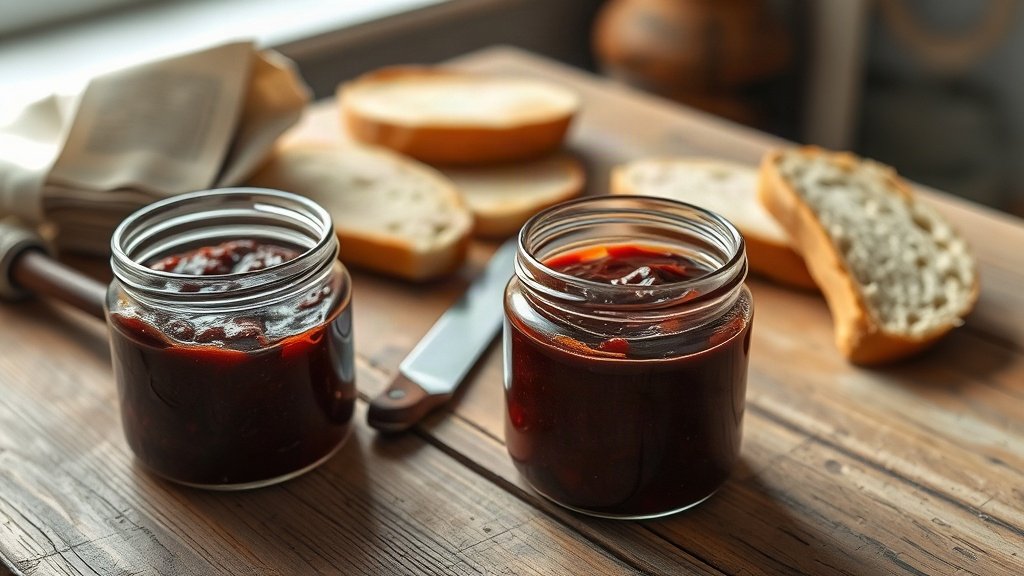
Illustration: AI-generated image
As the days grow shorter and the air turns crisp, Romanian kitchens fill with the smell of roasting aubergines and peppers. This is the season for making zacusca — a thick, smoky vegetable spread that has been a staple of the Romanian pantry for generations. It is labour-intensive, but the reward is a jar of concentrated flavour that brings a taste of late summer to the coldest winter day.
What is zacusca?
Zacusca (pronounced zah-KOOS-kah) is a slow-cooked spread made primarily from roasted aubergines, red peppers, onions, and tomato paste. The vegetables are charred over an open flame or in the oven, then peeled, finely chopped or minced, and simmered with oil and seasonings until thick and glossy. The name is thought to come from the Russian word zakuska, meaning a small bite or appetiser, and indeed zacusca is most often enjoyed as a spread on bread, a side dish, or a dip.
Every family has its own recipe, and variations abound: some add mushrooms, beans, or hot peppers; others use only aubergines and tomatoes. The base method, however, remains the same and relies on the deep, caramelised flavour of fire-roasted vegetables.
Ingredients for a basic aubergine and pepper zacusca
This recipe yields about four 400-gram jars. Feel free to adjust the proportions to your taste.
- 2 kg aubergines (eggplants)
- 2 kg red bell peppers (or a mix of red and kapia peppers)
- 1 kg onions
- 500 ml sunflower oil (or a neutral vegetable oil)
- 300 g tomato paste (or 500 ml thick tomato passata)
- 2–3 bay leaves
- Salt and freshly ground black pepper to taste
- Optional: 1–2 hot peppers for a spicy kick
Step-by-step method
- Roast the vegetables. Wash the aubergines and peppers. Place them whole on a grill over an open flame, on a barbecue, or in a hot oven (220°C) until the skins are blackened and blistered all over. Turn them occasionally to ensure even charring. This step gives zacusca its distinctive smoky flavour.
- Peel and drain. Once the vegetables are soft and collapsed, transfer them to a bowl and cover with a lid or cling film for 10 minutes — the steam helps loosen the skins. Peel off the skins and remove the stems and seeds from the peppers. For the aubergines, remove the stem and any large seed pockets. Drain the roasted vegetables in a colander for at least 30 minutes to remove excess water; this prevents the zacusca from becoming watery.
- Chop or mince. Finely chop the roasted aubergines and peppers by hand, or pass them through a meat grinder with a medium die. The texture should be slightly coarse, not a purée. Some cooks like to leave small pieces for a rustic feel.
- Cook the onions. Peel and finely chop the onions. Heat half the oil in a large, heavy-bottomed pot and sauté the onions over medium heat until translucent and soft, about 10 minutes. Do not let them brown.
- Combine and simmer. Add the chopped roasted vegetables, tomato paste, bay leaves, salt, and pepper to the pot. Pour in the remaining oil. Stir well and bring to a gentle simmer. Reduce the heat to low and cook, stirring frequently to prevent sticking, for 1.5 to 2 hours. The zacusca will darken and thicken; it is ready when a spoon drawn across the bottom of the pot leaves a clean trail.
- Taste and adjust. Remove the bay leaves. Season with additional salt and pepper if needed. For a tangier result, a splash of vinegar can be added in the last 10 minutes of cooking (optional).
- Jar and sterilise. While the zacusca is still hot, ladle it into clean, warm jars, leaving 1 cm headspace. Seal tightly and place the jars in a large pot lined with a tea towel. Cover with hot water and boil for 30 minutes to sterilise. Remove and let cool completely. Label and store in a cool, dark place.
Tips for perfect zacusca
- Roast over fire if possible. The traditional method uses a wood or charcoal fire, which imparts a deeper smokiness than an oven. In urban apartments, a gas hob with a flame diffuser works well.
- Drain thoroughly. Excess liquid is the enemy of good zacusca. The roasted vegetables should lose their watery shine before being added to the pot.
- Use quality tomato paste. Since tomato paste provides much of the sweetness and body, choose a concentrated, good-quality product. Some families use fresh tomatoes, but they require longer cooking to reduce the water content.
- Stir often. The thick mixture can easily catch on the bottom of the pot. A heavy enamel or cast-iron pot helps distribute heat evenly.
How to serve zacusca
Zacusca is incredibly versatile. Spread it thickly on fresh or toasted bread, especially country-style loaves. It pairs beautifully with sheep's cheese, olives, and cold cuts for a traditional Romanian breakfast or appetiser. It can also be served as a side dish with grilled meats, added to sandwiches, or used as a base for a quick tomato sauce. Because it contains no animal products, zacusca is a popular choice during Orthodox fasting periods.
A jar of homemade zacusca makes a thoughtful gift — it is a taste of Romanian autumn that travels well and keeps for many months. Once opened, store it in the refrigerator and consume within a week or two.