Cacica Salt Mine: A Guide to Romania's Hand-Carved Underground Chapel
Discover one of Romania's lesser-known salt mines, where a chapel, a lake and mining history await deep beneath the hills of Bucovina.
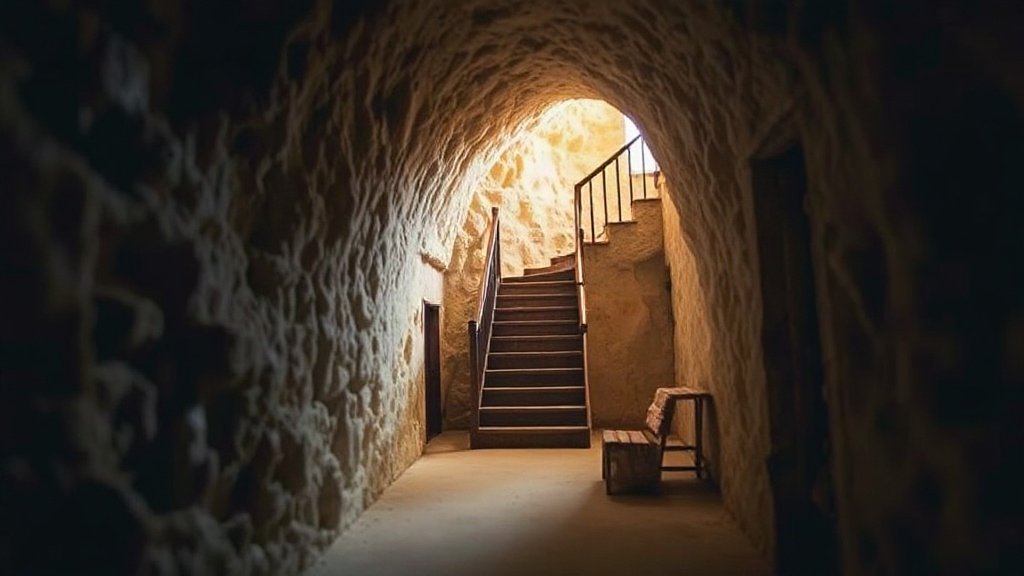
Illustration: AI-generated image
Romania is dotted with remarkable salt mines, from the vast chambers of Turda to the eerie depths of Slănic Prahova. But for a quieter, more intimate underground experience, few places match Cacica, a small village in the heart of Bucovina. Here, a hand-carved salt chapel, an underground lake and centuries of mining heritage lie hidden beneath rolling hills, offering a memorable detour for travellers exploring northern Romania.
A brief history
Salt has been extracted at Cacica since the late 18th century, when the region was part of the Austrian Empire. The mine opened in 1791 and operated for about two centuries, producing high-quality salt used across the region. The mining technique was distinctive: instead of large open caverns, miners dug bell-shaped chambers, leaving thick salt pillars to support the roof. This created a warren of rounded spaces that feel almost organic, unlike the geometric galleries of some industrial mines. Commercial salt production ended in the 1990s, and in the years that followed, the mine was gradually opened to the public, preserving its cultural and historical value.
What to see underground
Visitors enter the mine via a long wooden staircase that descends about 36 metres below the surface. The temperature stays around 10–12°C year-round, so a light jacket is essential even in summer. The walk down takes you past raw salt walls, their surfaces glittering in the low light.
The highlight is the Saint Varvara Chapel (also known as Saint Barbara), carved entirely from rock salt by miners. This small but deeply atmospheric space includes an altar, a pulpit and even a bas-relief of the Last Supper, all sculpted from salt. The chapel is still used on special occasions, giving it a living, spiritual dimension that sets Cacica apart from other salt mines.
Beyond the chapel, you can see an underground salt lake, where still water reflects the carved ceilings and creates a mirror-like effect. Various chambers display old mining tools, wooden trolleys and salt crystal formations. One room, often called the ballroom, was used for gatherings and celebrations by miners and their families. The stable temperature and humidity also mean that the air feels noticeably pure, and many locals believe the saline atmosphere is beneficial for breathing – a long-held tradition rather than medical advice.
Practical tips for your visit
- Getting there: Cacica is about 20 km northeast of Gura Humorului and 40 km west of Suceava. By car, it's an easy drive on well-maintained roads. The nearest train station is in the village itself, about a 15-minute walk from the mine entrance.
- What to wear: Comfortable shoes with good grip are important, as the staircase can be damp. Bring a light jacket even on hot days.
- Duration: A typical visit lasts between one and one and a half hours, including time for photos and quiet reflection.
- Accessibility: The mine is not suitable for wheelchairs or those with serious mobility issues due to the many steps and uneven surfaces.
- Combine your trip: Cacica sits close to the famous painted monasteries of Bucovina, including Voroneț and Humor. Many visitors make it a half-day stop between monastery tours.
While Romania's larger salt mines draw bigger crowds, Cacica offers a more personal and contemplative experience. The combination of sacred art, industrial history and raw geology makes it a unique underground gem in one of the country's most scenic regions.