Drob de Miel: Romania's Easter Lamb Terrine Explained
A closer look at drob de miel, the traditional Romanian lamb offal terrine served at Easter, and how to make it at home.
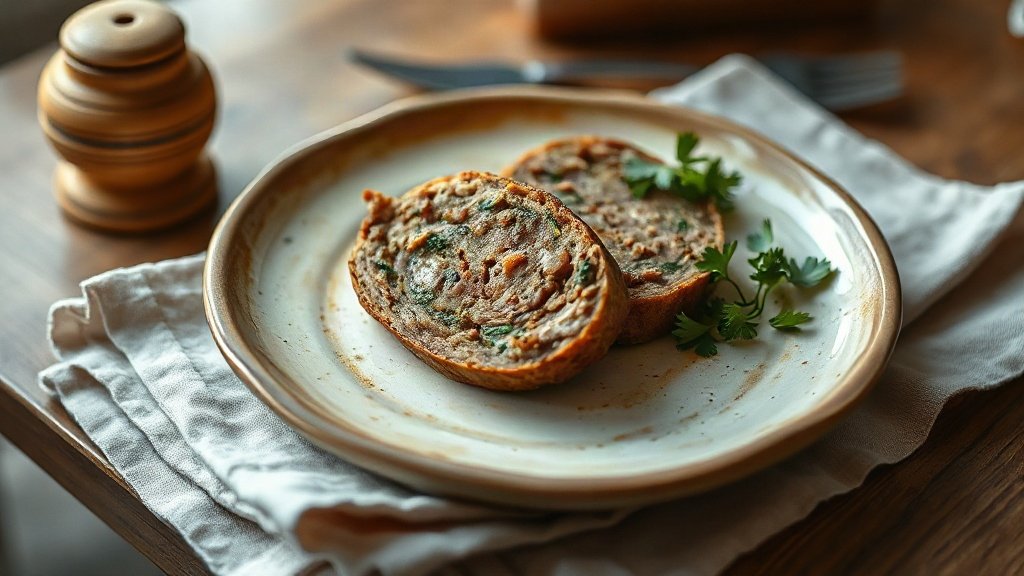
Illustration: AI-generated image
Drob de miel is a beloved Romanian dish that appears on almost every Easter table. This rich, savoury terrine is traditionally made from lamb offal, fresh herbs and eggs, and it holds deep cultural significance as a celebration of spring and renewal. Here is what you need to know about this distinctive speciality, including how it is prepared and how to enjoy it at home.
What is drob de miel?
Drob de miel is a baked loaf or terrine made primarily from lamb liver, heart and lungs, though kidneys are sometimes included. The offal is finely chopped or minced and mixed with spring onions, plenty of fresh herbs such as dill, parsley and lovage, beaten eggs, and often soaked bread or cooked rice to bind the mixture. The whole thing is then wrapped in caul fat or placed in a pastry crust and baked until set. It is served cold or at room temperature, sliced into thick pieces.
A dish tied to Easter
In Romania, drob de miel is strongly associated with Orthodox Easter, which falls in spring. Lamb is the traditional meat for the festive meal, symbolising sacrifice and new life. Drob is a practical and respectful way to use the whole animal, ensuring nothing goes to waste. Families often prepare it on Good Friday or Holy Saturday, to be enjoyed after the midnight church service on Easter Sunday. The fresh green herbs and spring onions reflect the season, making drob a true celebration of the end of winter fasting.
How drob de miel is made
The preparation begins by simmering the lamb offal until tender. Once cooled, it is finely chopped by hand or passed through a mincer. In a large bowl, the meat is combined with sautéed onions, chopped herbs, eggs, salt and pepper. Some recipes add a little milk-soaked bread or cooked rice for a softer texture. A traditional touch is to place whole hard-boiled eggs in the centre of the mixture before baking, so that each slice reveals a colourful cross-section. The mixture is then placed in a loaf tin lined with caul fat (the lacy membrane from the lamb's stomach), which melts during baking and keeps the terrine moist. Alternatively, it can be encased in a simple shortcrust or yeasted dough, similar to a pie.
Variations across Romania
While the basic recipe is consistent, regional and family variations abound. In some areas, mushrooms or spinach are added to the mixture for extra flavour. Others use pork or chicken offal instead of lamb, especially when lamb is not easily available. The herbs can vary too: lovage is popular in Transylvania, while dill and parsley dominate in the south. The baked version wrapped in dough is sometimes called drob în aluat and is more like a savoury pie. In Dobrogea, a version known as drob de miel dobrogean includes rice and is spiced with black pepper and thyme.
How to serve and enjoy drob de miel
Drob de miel is typically served cold, cut into slices about two centimetres thick. It appears as an appetiser or a main course alongside other Easter dishes such as pască (sweet cheese bread), cozonac, and coloured eggs. It pairs well with horseradish, mustard, and pickled vegetables, which cut through the richness of the offal. A glass of Romanian red wine or a small shot of țuică is a common accompaniment. Leftovers keep well in the fridge for several days and make excellent sandwich fillings with fresh bread and lettuce.
Making drob at home
If you would like to try making drob de miel yourself, start by sourcing fresh lamb offal from a reputable butcher. Caul fat can be ordered in advance, but if it is unavailable, you can line the tin with thin slices of bacon or simply bake the mixture in a greased loaf tin without a wrapper. Be generous with herbs and seasonings, as offal benefits from bold flavours. After baking, allow the terrine to cool completely and rest in the fridge for at least a few hours before slicing. This helps it firm up and makes clean cuts easier.
Drob de miel may not be the first dish that comes to mind when thinking of Romanian cuisine, but it is a true taste of the country's culinary heritage. Whether enjoyed at Easter or any time of year, it offers a delicious and meaningful way to connect with Romanian traditions.