Ciorbă de Burtă: Romania's Beloved Tripe Soup Explained
A warming bowl of tripe soup is a Romanian institution, found in homes and restaurants across the country.
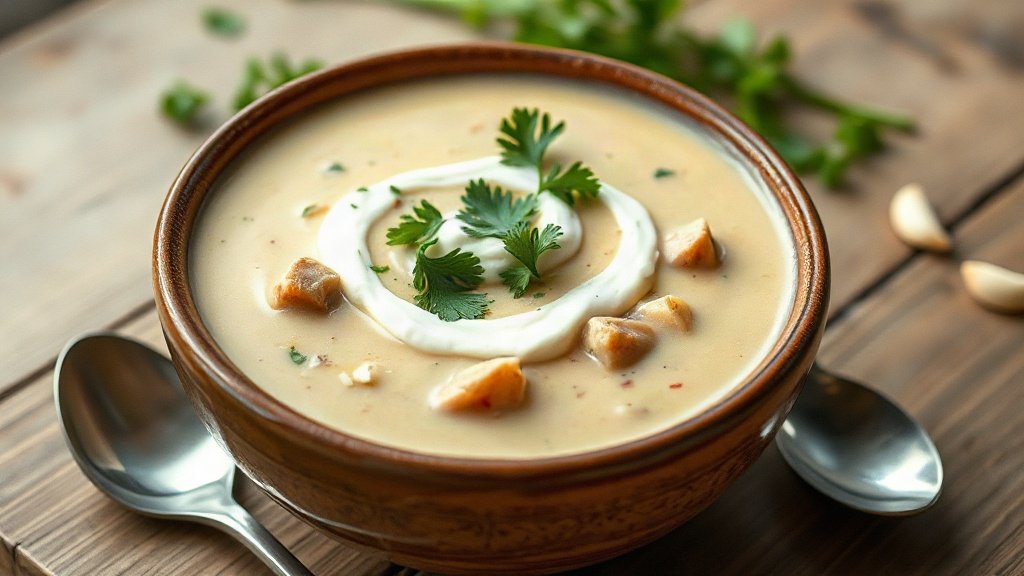
Illustration: AI-generated image
While it may not be the first dish that comes to mind for visiting food lovers, ciorbă de burtă (tripe soup) holds a special place in Romanian culinary culture. This hearty, sour soup made from beef tripe is a staple in traditional restaurants and family gatherings, often served as a restorative meal or a festive starter. Despite its humble main ingredient, the soup is rich, comforting and surprisingly delicate when prepared well.
What is ciorbă de burtă?
Ciorbă de burtă is a Romanian sour soup traditionally made with beef tripe, beef bones, vegetables and a generous amount of garlic. The soup is thickened with a mixture of egg yolks and sour cream, giving it a creamy, silky texture. It is then soured with vinegar or lemon juice, balanced by the natural gelatinous quality of the tripe. The result is a deeply savoury, tangy and garlicky broth that warms you from the inside out.
Tripe, the edible lining of a cow's stomach, has been used in European cooking for centuries. In Romania, it appears not only in this soup but also in other traditional dishes, though ciorbă de burtă is by far the most celebrated. The soup is known across the country, with slight regional variations in seasoning and thickness.
How it is made
Preparing ciorbă de burtă requires patience. The tripe is thoroughly cleaned and simmered for several hours with beef bones, carrots, onions, celery and sometimes parsnip to create a rich stock. Once tender, the tripe is cut into thin strips and returned to the broth. A classic finish involves blending egg yolks with sour cream, then slowly tempering the mixture with hot broth before stirring it back into the pot. This step gives the soup its characteristic creamy consistency and pale colour. Finally, crushed garlic and vinegar (or lemon juice) are added off the heat to preserve their bright, pungent flavours.
The soup is always served hot, often with a side of fresh bread or polenta, and topped with extra sour cream, chopped garlic and sometimes hot peppers. Some cooks add a spoonful of smântână directly to each bowl just before serving.
Serving and enjoying
Ciorbă de burtă is typically offered as a first course at weddings, baptisms and holiday meals, but it is also a popular lunch dish in many restaurants. It is believed to be especially good after a long night or during cold weather, although Romanians enjoy it year-round. The strong garlic flavour is a defining characteristic, so be prepared for a lingering aftertaste — many locals consider that a sign of a good soup.
If you are new to tripe, this soup is an excellent introduction. The texture is soft but not rubbery, and the sour, creamy broth is surprisingly approachable. For vegetarians, there is no direct substitute, but a similar sour cream and garlic soup can be made with mushrooms or vegetables, though purists would argue it is not the same.
Whether you try it in a traditional restaurant or attempt it at home with a trusted recipe, ciorbă de burtă is a true taste of Romania's culinary heritage — one that rewards the adventurous eater.