Understanding Romanian Time: A Practical Guide to Punctuality and Patience
Learn how Romanians approach time in social and professional settings, and how to adapt your expectations for a smoother daily life.
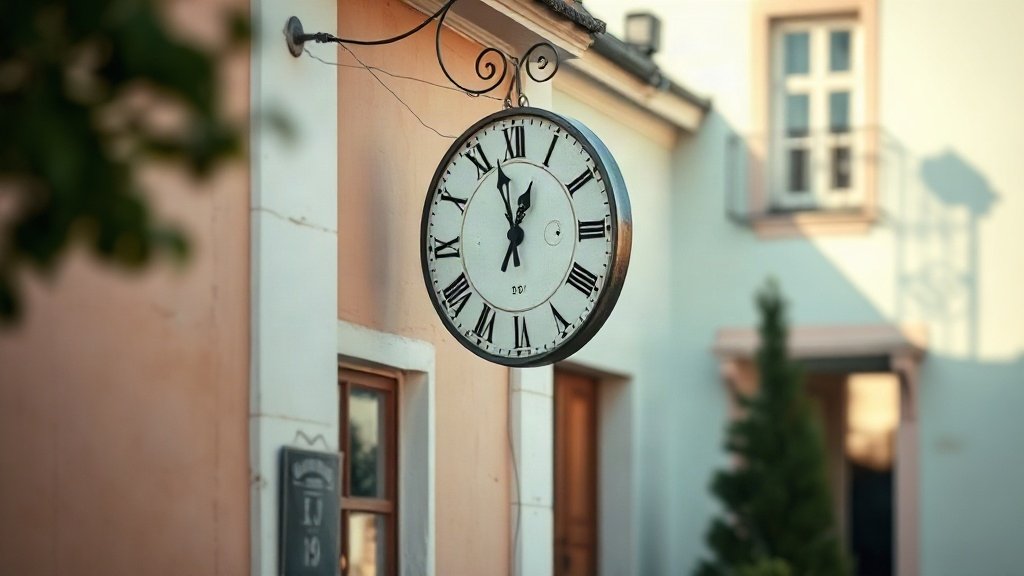
Illustration: AI-generated image
If you have recently moved to Romania or are planning to stay for a while, you may notice that time is treated a little differently here. Understanding local attitudes towards punctuality can save you frustration and help you build better relationships with neighbours, colleagues and friends.
In many Western countries, being on time is a sign of respect and professionalism. In Romania, the rules are more nuanced. For official appointments, such as visits to the doctor, notary or public offices, punctuality is still expected and appreciated. Arriving late can mean losing your slot or having to wait longer. But for informal social gatherings, being exactly on time might actually surprise your host.
Romanian social time is often described as flexible. If a friend invites you for coffee at 5 pm, it is perfectly acceptable to arrive at 5:15 or even 5:30. This is not considered rude; it is simply a more relaxed approach. Hosts usually expect guests to arrive a little later than the stated time, especially for meals or parties. In fact, arriving too early might catch them still preparing.
One word you will hear often is poate, which means "maybe". In everyday conversation, poate can mean anything from "yes, probably" to "I'm not sure" or even a gentle "no". Context and tone matter. If someone says poate about a plan, it is wise to confirm closer to the time. A follow-up phone call or message the day before can clarify whether the meeting is still on.
Another common phrase is pe curând, which translates to "see you soon", but it is often used as a friendly goodbye without a specific commitment. Similarly, "we should meet up sometime" might be a polite expression rather than a concrete invitation. Learning to read these signals takes time, but patience is key.
For professionals working in Romania, it is helpful to distinguish between formal and informal settings. Business meetings with Romanian companies generally start on time, and being late can be seen as unprofessional. However, internal team meetings or social events after work may be more relaxed. When in doubt, err on the side of punctuality for anything with a fixed start time and an agenda.
If you are invited to a Romanian home, aim to arrive about 10–15 minutes after the stated time. This allows the host to finish last-minute preparations. It is also customary to bring a small gift, such as flowers, chocolates or a bottle of wine. If you are running more than 20 minutes late, a quick phone call or message is appreciated.
Public transport in Romania generally runs on a schedule, but delays can happen, especially in rural areas or during bad weather. Plan extra time for important appointments, and check live updates if available. City metro systems are usually reliable, while buses and trams may be affected by traffic.
Ultimately, adapting to Romanian time means embracing a more flexible mindset. Instead of getting annoyed by delays, use the waiting time to people-watch, enjoy a coffee or simply relax. Patience is a valued trait here, and showing that you are not in a constant rush will help you connect with locals on a deeper level.
By understanding these unwritten rules, you will find daily life in Romania flows more smoothly. A little flexibility goes a long way, and you may even come to appreciate the slower pace.