How to Celebrate Bobotează: Romania's Epiphany Tradition
Bobotează, celebrated on 6 January, marks the baptism of Jesus. Romanians attend church, bless water, and watch brave swimmers retrieve a cross from icy rivers.
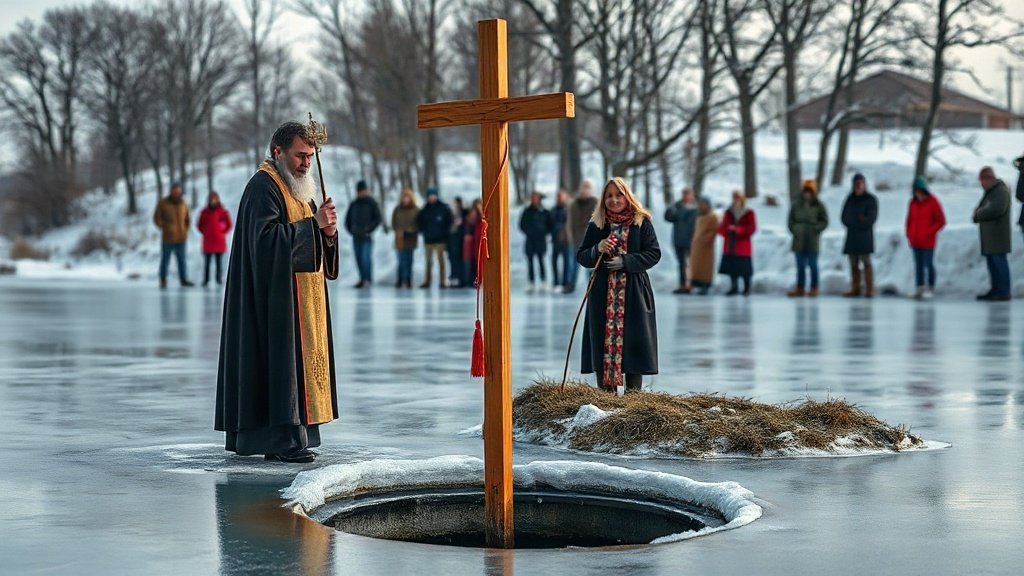
Illustration: AI-generated image
On 6 January each year, Orthodox Christians in Romania celebrate Bobotează, the Feast of the Epiphany. It marks the baptism of Jesus Christ in the River Jordan and is one of the most important winter holidays in the country. Many Romanians attend church services, take part in outdoor processions, and bring home holy water believed to have protective powers.
The Blessing of the Waters
A central part of Bobotează is the Great Blessing of the Waters. In churches, priests consecrate water through special prayers and the immersion of a cross. This blessed water, called aghiasmă mare, is distributed to the faithful. Many people keep it at home and use it throughout the year for blessing themselves, their homes, or when they feel unwell. Some also drink a small amount on an empty stomach on the morning of Epiphany.
After the indoor service, many parishes organise an outdoor ceremony near a river, lake, or even a specially prepared pool. The priest leads a procession to the water's edge and repeats the blessing, often cutting a cross shape into the ice if the water is frozen.
The Cross Retrieval Rite
The most dramatic moment of Bobotează is the throwing of the cross into the water. The priest tosses a wooden or metal cross into the river or lake, and several men—traditionally young and unmarried, but now anyone willing—dive in to retrieve it. The person who brings the cross back to the surface is said to receive good luck and health for the entire year. In many communities, the winner is honoured and may receive a small gift or the community's respect.
This custom is especially popular in towns and villages with a strong sense of community. Spectators gather on the banks to watch the brave swimmers plunge into the icy water, even in temperatures well below freezing. The event is often accompanied by singing and the ringing of church bells.
Customs and Beliefs
Bobotează is surrounded by a number of folk beliefs and practices. One common tradition is for the priest to visit homes in the days after Epiphany to bless them with holy water. This is seen as a way to cleanse the house of evil spirits and bring peace for the new year. In some regions, people sprinkle holy water in the corners of each room and on their livestock.
Another belief holds that on the night before Bobotează, the heavens open and wishes made at that moment are more likely to come true. Some also say that animals speak at midnight, though hearing them is considered a bad omen. While these ideas vary from place to place, they add a layer of mystery to an already joyous feast.
How to Take Part Respectfully
If you are in Romania during Bobotează, you are welcome to observe the ceremonies. Dress warmly, as many events take place outdoors for an hour or more. When attending a church service, follow the lead of local worshippers: stand when they stand, and do not take photographs during the most solemn moments. If you would like to receive holy water, bring a clean bottle and approach the priest after the service, but be patient as queues can be long.
For the cross retrieval, find a spot on the bank where you can see without blocking the path of the divers or the clergy. It is a community event, so expect cheering and excitement. While the water is cold, the atmosphere is warm, and many locals will be happy to explain what is happening.
Whether you take part for religious reasons or simply out of curiosity, Bobotează offers a vivid glimpse into Romania's living traditions and the resilience of its people.