Exporting Romanian Wine: A Guide for International Buyers
Romania's wine industry offers excellent value and unique local varieties. Here's how international buyers can source quality wines and navigate the export process.
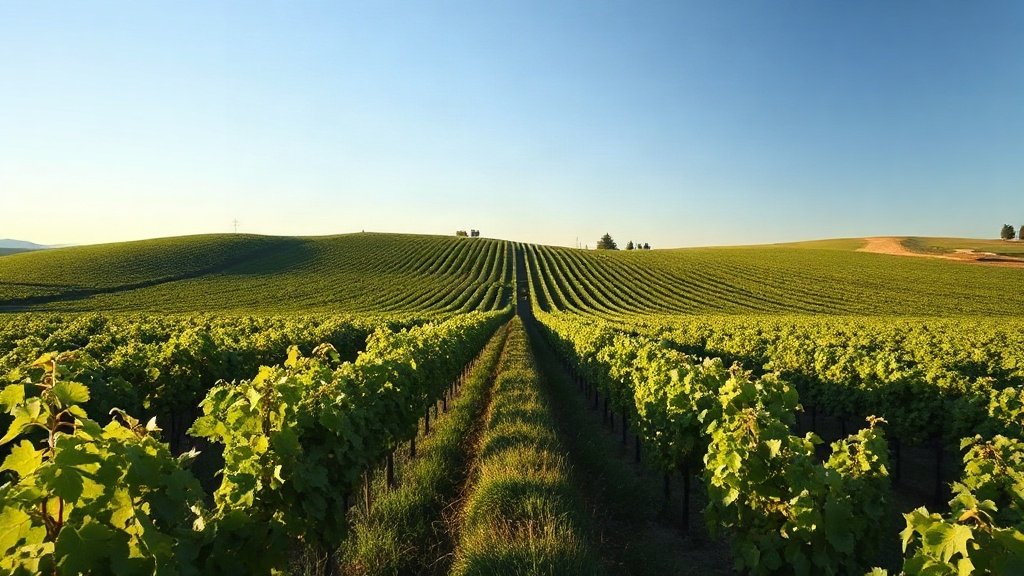
Illustration: AI-generated image
Romania has a long winemaking tradition and is one of Europe's largest wine producers. Its wines offer a combination of indigenous grape varieties, favourable climate, and competitive pricing, making the country an attractive source for international importers and retailers. This guide outlines the key regions, grape varieties, and steps for exporting wine from Romania.
Key Wine Regions
Romania's wine production is spread across several distinct regions, each with its own climate and soil characteristics. The most prominent include:
- Dealu Mare in Muntenia, known for red wines, particularly from Fetească Neagră.
- Murfatlar in Dobrogea, near the Black Sea, producing sweet and semi-sweet white wines.
- Cotnari in Moldavia, famous for sweet wines from Grasă de Cotnari and Tămâioasă Românească.
- Târnave in Transylvania, a cooler region producing aromatic white wines like Fetească Albă and Riesling.
- Recaș in Banat, a dynamic region with a mix of international and local varieties.
Indigenous Grape Varieties
Romania's unique selling point lies in its indigenous grapes, which offer flavours not commonly found elsewhere. The most important red variety is Fetească Neagră, yielding wines with dark fruit notes and good structure. For whites, Fetească Albă and Fetească Regală are popular, producing crisp, aromatic wines. Grasă de Cotnari and Tămâioasă Românească are used for sweet and dessert wines with pronounced floral and honeyed characters. International varieties such as Merlot, Cabernet Sauvignon, Sauvignon Blanc, and Chardonnay are also widely planted and can be sourced competitively.
Export Process and Requirements
As a member of the European Union, Romania follows EU regulations for wine production and export. For buyers outside the EU, the specific import requirements of the destination country will apply. General steps for exporting wine from Romania include:
- Identify a producer or exporter. Many wineries work with international distributors or sell directly to importers.
- Verify compliance with EU wine labelling regulations, which require information such as origin, category, alcohol content, and volume.
- Obtain the necessary export documents, including a commercial invoice, packing list, and certificate of origin. For some destinations, a VI-1 certificate (a document certifying compliance with EU wine standards) may be required.
- Arrange logistics and shipping. Wine is sensitive to temperature and handling, so choose a freight forwarder experienced in beverage transport.
- Ensure that the importing country's regulations are met, including customs duties, taxes, and any specific labelling requirements.
Tips for International Buyers
- Request samples and arrange tastings to assess quality and style.
- Build relationships with producers; many Romanian wineries are family-owned and value long-term partnerships.
- Consider visiting wine regions to meet producers and see vineyards firsthand.
- Look for wines with protected designations of origin (PDO) or geographical indications (PGI), which guarantee origin and quality.
- Be aware that while many wineries are modernising, production volumes can be smaller than in major wine-exporting countries, so plan orders accordingly.
Romania's wine industry has made significant investments in recent years, and its wines are increasingly recognised on the international stage. For importers looking for distinctive products at competitive prices, Romanian wine offers a compelling opportunity.