Doing Business in Constanța: Romania's Black Sea Gateway
Constanța offers unique advantages for entrepreneurs, from its strategic port to a growing services sector. Here's what to know before setting up operations in this coastal city.
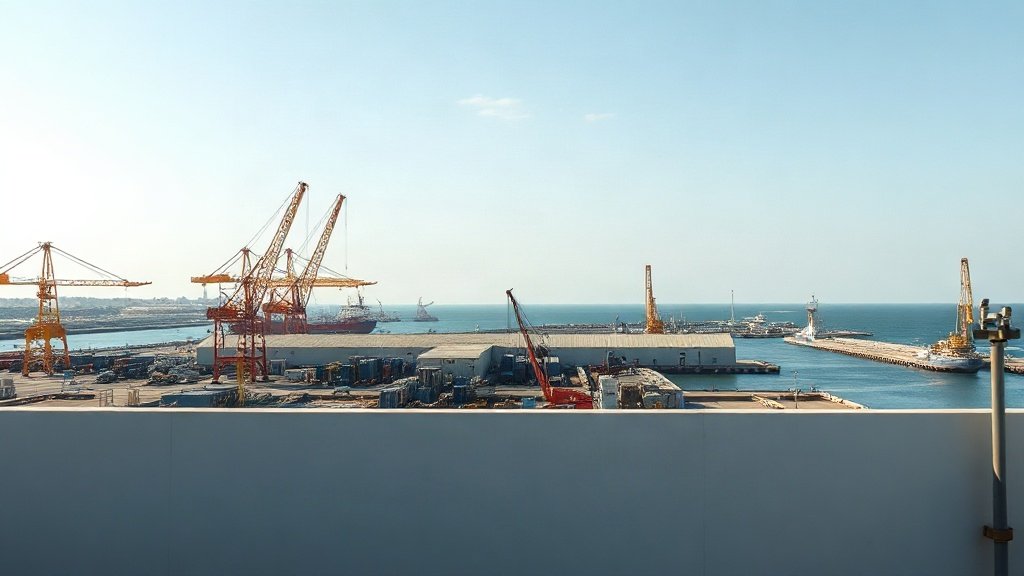
Illustration: AI-generated image
Constanța, Romania's oldest continuously inhabited city and the country's main seaport, presents a compelling case for businesses looking to tap into Black Sea trade routes and a developing regional economy. Unlike the more frequently profiled hubs of Bucharest or Cluj-Napoca, Constanța offers a distinct blend of maritime logistics, tourism, and emerging services, all within a city of roughly 280,000 residents.
Why Choose Constanța?
The city's core advantage is its port, the largest on the Black Sea and a crucial node for cargo moving between Europe, Asia, and the Middle East. Businesses involved in import, export, freight forwarding, or logistics will find immediate infrastructure benefits. The Port of Constanța handles a diverse range of goods, from containers and bulk cargo to petroleum products, and is connected to the Danube via the Danube–Black Sea Canal, enabling river transport deep into Central Europe.
Beyond the port, Constanța's economy is diversified. The naval and shipbuilding industry has a long tradition, with several shipyards operating in the area. The region also hosts oil refining and petrochemical facilities, and agriculture in the surrounding Dobrogea region supports food processing and agribusiness. In recent years, the IT and business process outsourcing sectors have grown, offering opportunities for service-based companies looking for a lower-cost base than the capital.
Key Sectors and Opportunities
- Logistics and transport: Naturally, the port is the anchor, but there is also demand for warehousing, distribution, and customs brokerage services.
- Tourism and hospitality: Constanța and the nearby Mamaia resort attract millions of visitors each summer, creating opportunities for hotels, restaurants, and leisure businesses.
- Agribusiness and food processing: The fertile Dobrogea plateau supports grain, wine, and livestock production, with processing facilities often located near the port for export.
- Renewable energy: The region's wind potential has led to significant investment in wind farms, and there is growing interest in solar and offshore wind projects.
- Manufacturing and light industry: Lower operational costs compared to western Romania make Constanța attractive for assembly and production facilities.
Logistics and Infrastructure
Constanța is well connected domestically and internationally. The A2 motorway links the city to Bucharest in about two and a half hours, and the A4 bypass alleviates local traffic. The Port of Constanța has rail connections, and the Mihail Kogălniceanu International Airport, located 26 kilometres northwest of the city, offers regular flights to major European hubs. These links make it feasible to manage a business based in Constanța while serving clients across the country and continent.
Workforce and Labour Market
The local labour force is generally younger and more affordable than in Bucharest or Cluj. Ovidius University and the Maritime University of Constanța produce graduates in engineering, economics, and maritime studies, supplying a steady stream of qualified candidates. However, as in many parts of Romania, there can be shortages of highly specialised IT skills, so companies may need to offer remote work options or recruit from other regions.
Starting a Business in Constanța
The process for company registration is identical throughout Romania and can be completed online or through the local Trade Registry office. While Constanța does not have its own special economic zone in the city centre, the Constanța South Free Zone, located within the port area, offers tax and customs incentives for eligible activities. New entrepreneurs can also benefit from national programmes such as Start-Up Nation, which provides funding for small businesses.
Networking opportunities are available through the Constanța Chamber of Commerce, Industry, Navigation and Agriculture, which organises events and offers support services. The city's business community is relatively close-knit, making it easier to build relationships and find local partners.
Quality of Life
Beyond business, Constanța offers a pleasant living environment with a seaside location, lower housing costs than major cities, and a rich cultural heritage. The city boasts museums, a historic old town, and easy access to beaches and the Danube Delta. For entrepreneurs looking to combine a balanced lifestyle with genuine business opportunity, Constanța is a city worth serious consideration.