Țuică: Romania's Traditional Plum Brandy Explained
A guide to Romania's iconic plum spirit, from how it's made to the customs around drinking it.
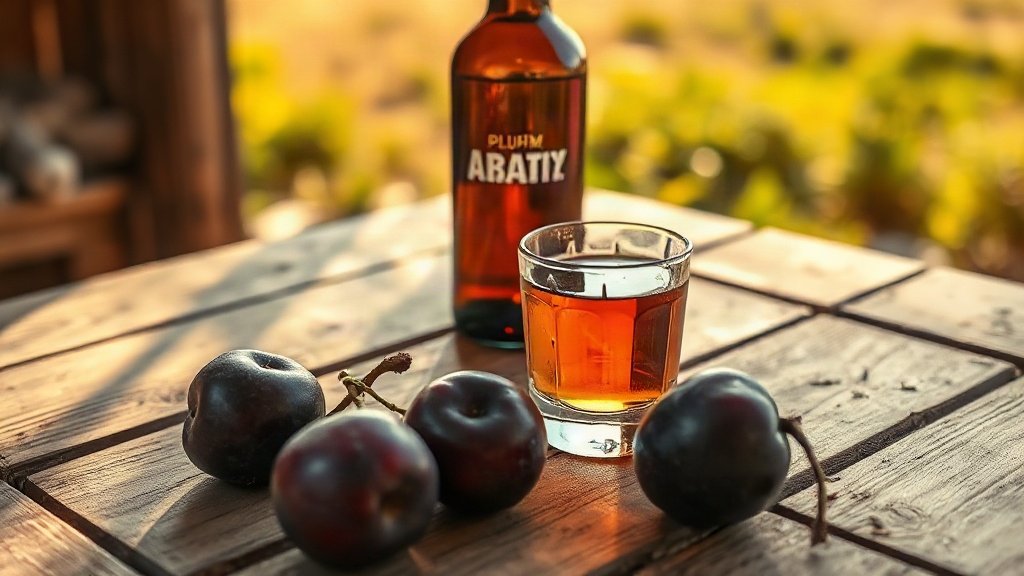
Illustration: AI-generated image
No visit to Romania is complete without encountering țuică, the country's beloved plum brandy. This clear, potent spirit is more than just a drink; it is a symbol of hospitality, tradition and rural life. Whether offered as a welcoming shot or served alongside a hearty meal, țuică holds a special place in Romanian culture.
What is țuică?
Țuică is a traditional Romanian spirit distilled from fermented plums. It is often homemade in rural areas, where families take pride in their own recipes and distillation methods. The drink is typically clear and strong, with an alcohol content that usually ranges between 40% and 50% by volume, though homemade versions can vary. The flavour is fruity, with a distinct plum aroma and a warming finish.
While țuică is most commonly associated with plums, other fruits such as apples, pears or apricots can also be used, but the result is usually given a different name. The term "țuică" specifically refers to plum brandy, while "pălincă" is used in some regions, particularly Transylvania, for a similar double-distilled fruit spirit.
How țuică is made
The process of making țuică begins in autumn, when plums are harvested. The fruit is left to ferment in large barrels or containers for several weeks, turning the natural sugars into alcohol. The fermented mash, known as "borhot", is then distilled, traditionally in copper stills over an open fire. Distillation often takes place in late autumn or early winter, and the resulting spirit is collected and sometimes aged in wooden barrels to mellow its character.
Many rural households produce their own țuică for personal consumption, and it is common to hear stories of families comparing batches or offering their best to guests. Commercially produced țuică is also widely available, but the homemade version is often considered the most authentic.
Drinking customs and etiquette
Țuică is deeply woven into Romanian social life. It is often served as an aperitif before meals, especially at celebrations, family gatherings and holidays. A small glass, known as a "țuică mică" or simply "o țuică", is poured, and it is customary to drink it in one go, often accompanied by a toast such as "Noroc!" (Good luck!) or "Sănătate!" (To your health!).
The spirit is usually enjoyed at room temperature, as chilling is thought to dull its flavour. It pairs wonderfully with traditional Romanian appetisers like cured meats, cheeses, fresh bread and pickled vegetables. In winter, some people warm țuică with honey and pepper to create a soothing hot drink.
Țuică in Romanian culture
Beyond its role as a drink, țuică carries cultural significance. It is offered to guests as a sign of welcome, and refusing a glass can be seen as impolite, though a polite decline is usually accepted. In rural areas, țuică is also used in various rituals and traditions, from christenings to weddings, and is often mentioned in folk songs and stories.
For visitors, trying țuică is a delicious way to connect with Romanian traditions. Whether you sample it at a local market, a countryside guesthouse, or a friend's home, it offers a true taste of the country's spirit – literally and figuratively.