Socată: Romania's Refreshing Elderflower Cordial Explained
Discover socată, the lightly fermented elderflower drink that Romanians have enjoyed for generations, and learn how to make a simple version at home.
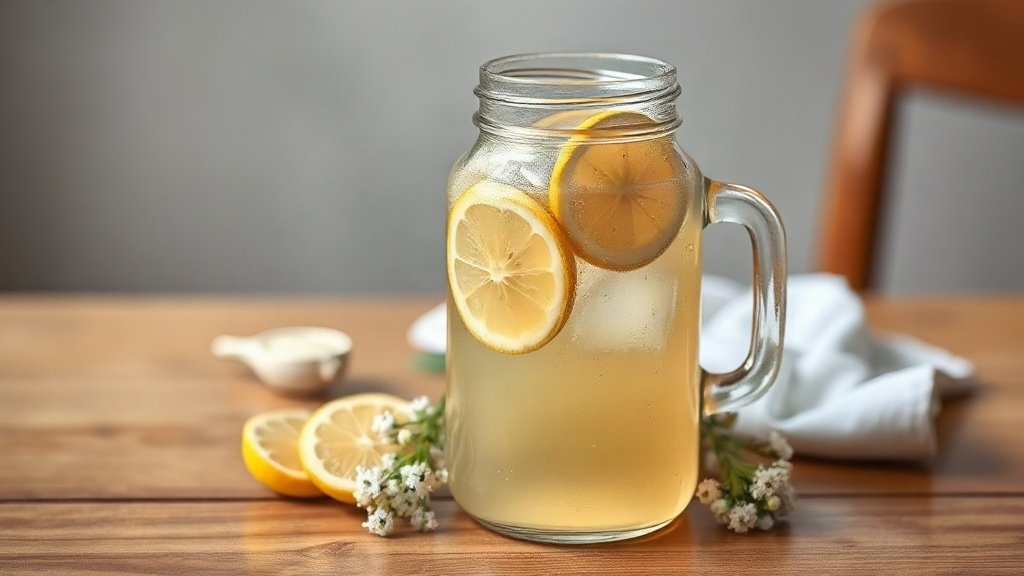
Illustration: AI-generated image
On a warm Romanian afternoon, few things are as refreshing as a glass of socată. This homemade elderflower cordial, lightly fizzy and delicately floral, has been a staple in households for generations. It is more than just a drink; it is a taste of early summer, captured in a bottle.
What is Socată?
Socată is a traditional Romanian soft drink made from fresh elderflowers, sugar, lemons and water. The mixture is left to ferment naturally for a few days, which gives it a gentle sparkle and a hint of tang. The result is a pale, golden liquid with a floral aroma and a clean, sweet-tart flavour that is utterly unique.
In Romania, socată is primarily a homemade drink. You will rarely find it in shops, and when you do, it is often a mass-produced imitation. The real thing comes from a large glass jar sitting on a kitchen counter or a shaded balcony, bubbling quietly as it transforms. Elderflowers bloom in late spring and early summer, so that is when most families make their annual batch. The tradition is deeply rooted in rural life, where foraging for wild ingredients has always been a part of the culinary calendar.
How Socată is Made
The basic method is simple, though every household has its own twist. Fresh elderflower heads are picked on a dry, sunny day—never washed, as the natural yeasts on the flowers are essential for fermentation. They are placed in a large jar or demijohn along with sliced lemons, sugar and cold water. Some recipes add a handful of rice or a slice of bread to speed things up, while others rely solely on the wild yeasts.
The jar is covered with a cloth and left at room temperature for three to five days. During this time, the mixture begins to bubble and develop a slightly alcoholic tang, usually well under 1% ABV. Once it reaches the desired level of fizz and flavour, the liquid is strained through muslin and poured into clean bottles, which are then stored in a cool place or refrigerator.
Because it is a living, fermented drink, socată continues to develop. It is best consumed within a week or two, while the bubbles are still lively and the flavour is bright. For a non-fermented version, some cooks simply steep the elderflowers in a sugar syrup and dilute with sparkling water, but purists insist the gentle fermentation is what makes socată special.
How to Enjoy Socată
Serve socată well chilled, ideally over ice with a slice of lemon or a fresh elderflower sprig. It is the perfect companion to long summer meals, picnics and garden parties. Its light, floral character pairs beautifully with traditional Romanian pastries such as plăcintă or cozonac, and it cuts through the richness of grilled meats like mici.
Socată is also wonderfully versatile. Some families add mint, lime or even a few rose petals to the jar for a different aroma. Others use it as a base for cocktails, mixing it with white wine or a splash of gin. However you drink it, socată offers a taste of Romanian summer—fresh, homemade and full of tradition.