Salată de Icre: Romania's Festive Fish Roe Spread
A creamy, savoury spread made from fish roe, oil and lemon, salată de icre is a beloved fixture on Romanian festive tables. Learn about its traditions, ingredients and how to serve it.
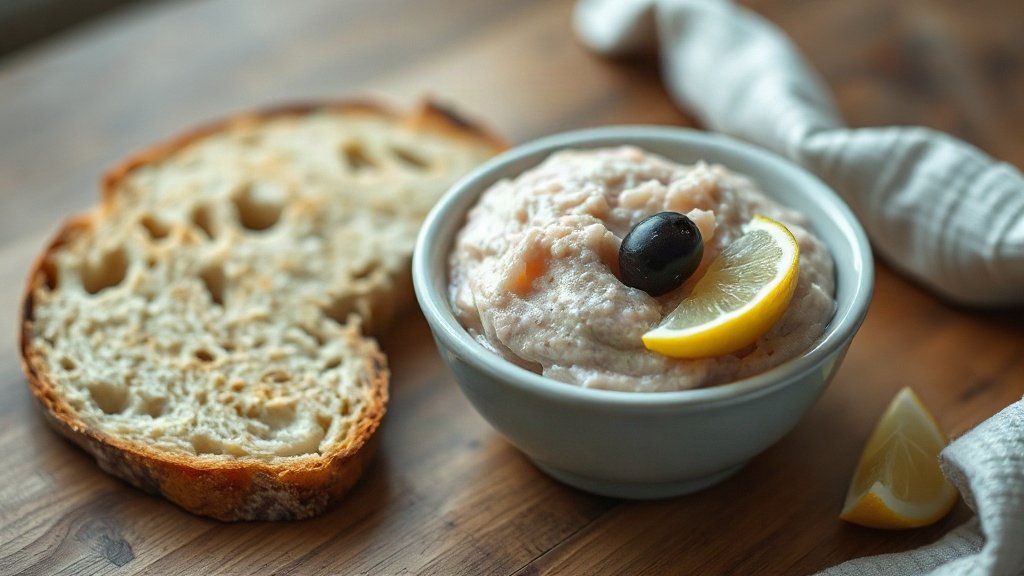
Illustration: AI-generated image
If you've ever been invited to a Romanian celebration, especially around Christmas or New Year, chances are you've encountered a pale pink, airy spread that tastes of the sea with a bright lemony kick. That's salată de icre – Romania's answer to taramasalata, but with its own distinct character and deep-rooted traditions.
What is salată de icre?
Salată de icre (literally 'roe salad') is a creamy spread made by emulsifying fish roe with oil, much like a mayonnaise, then lightening it with lemon juice and sometimes a little water or ice. The result is a smooth, mousse-like paste with a delicate fish flavour and a pleasant tang. It's typically served cold as a starter or spread thickly on fresh bread.
The roe is usually from carp, which is abundant in the Danube and its delta, but pike roe is also traditional and often considered a delicacy. On festive tables, you might also find versions made with cod roe or even smoked roe for a deeper taste. The dish is a staple at Christmas and New Year, but it's enjoyed year-round in many homes and restaurants.
A tradition born from the Danube
Romania's rivers and the Black Sea have long provided fish for everyday meals and special occasions. Salată de icre likely evolved as a way to use the roe left after cleaning fish, and its association with celebration grew because fish was often reserved for fasting periods and feasts. Over time, it became a symbol of hospitality and abundance, appearing on platters alongside other cold salads like salată de boeuf and salată de vinete.
The dish also reflects Balkan and Ottoman influences, sharing similarities with Greek taramosalata and Turkish tarama, yet Romanian cooks have made it their own with local ingredients and techniques. Traditional recipes call for sunflower oil, which is widely produced in Romania, and sometimes a small amount of white bread or boiled potato to help bind the mixture and soften the flavour.
How it's made
Making salată de icre at home requires patience, but the process is straightforward. The key is to add the oil very slowly while whisking constantly, just as you would for mayonnaise. Here's a basic outline:
- Start with fresh or frozen fish roe (carp or pike), removing any membranes.
- Season the roe with salt and a little lemon juice.
- Begin whisking, then add oil in a thin stream, drop by drop at first, until the mixture thickens and turns pale.
- If using bread or potato, soak a small piece of white bread in water or milk, squeeze dry, and incorporate it early for a smoother texture.
- Finish with more lemon juice to taste, and optionally add very finely chopped onion or a pinch of white pepper.
Some cooks add a splash of cold mineral water or an ice cube at the end, whisking it in to make the spread extra light and frothy. The whole process can take 20–30 minutes by hand, but a food processor or blender can speed it up – though purists argue that hand-whisking yields a better texture.
Serving and enjoying
Salată de icre is almost always served cold, often mounded on a plate and decorated with black olives, lemon slices, or chopped spring onion. It's perfect on slices of crusty white bread or toast, and it works beautifully as part of a larger appetiser spread with cheeses, cured meats, and pickles. A glass of dry white wine or a shot of țuică makes a classic pairing.
For visitors to Romania, this is a dish worth seeking out – whether at a festive meal, a traditional restaurant, or simply made from a jar bought at a local market. Its bright, briny flavour captures the essence of the country's rivers and its generous, celebratory spirit.