Romanian Orthodox Fasting Food: A Guide to De Post Dishes
Discover the rich tradition of mâncare de post, Romania's plant-based Orthodox fasting cuisine, and the hearty, satisfying dishes that define it.
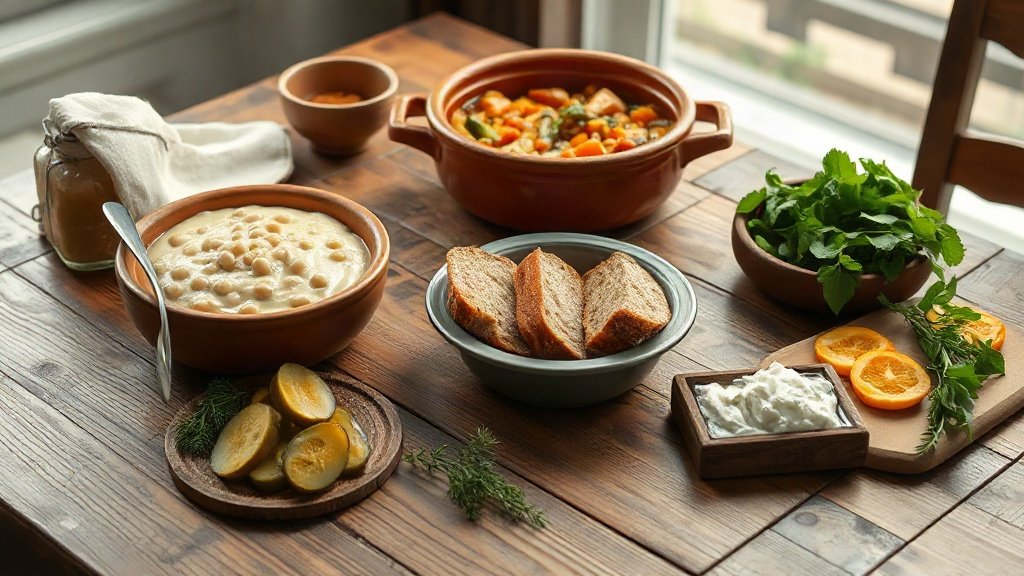
Illustration: AI-generated image
In Romania, the Orthodox Christian calendar shapes not only religious life but also the dinner table. For many Romanians, fasting—known as post—is a regular practice, with periods throughout the year when animal products are avoided. Yet far from being dull, the cuisine that emerges is a vibrant, deeply comforting tradition known as mâncare de post.
What does "de post" mean?
"De post" simply means "for fasting." The Orthodox Church prescribes several fasting periods, including Lent before Easter, Advent before Christmas, and shorter fasts on Wednesdays and Fridays. During these times, observant Romanians abstain from meat, dairy, eggs, and sometimes fish, wine, and oil—depending on the strictness of the day. This creates a culinary world built entirely on plants, grains, legumes, and clever substitutions.
The fasting pantry: essential ingredients
Romanian fasting cuisine relies on a handful of staples that deliver big flavour. These include:
- Beans (fasole): white beans, dried or tinned, are the backbone of many dishes.
- Vegetables: aubergine, peppers, tomatoes, cabbage, mushrooms, and root vegetables like carrots and parsnips.
- Grains: polenta (mămăligă), rice, and bulgur.
- Nuts and seeds: walnuts, sesame, and sunflower seeds add richness.
- Potatoes: a versatile base for stews and bakes.
- Fermented foods: sauerkraut, pickles, and borș (sour bran liquid) bring acidity.
- Oils: sunflower or olive oil, used on days when oil is permitted.
Classic fasting dishes to try
Across Romania, households and monasteries have perfected a repertoire of satisfying de post dishes. These are not merely "substitutes" but celebrated meals in their own right.
- Fasole bătută: A creamy spread or dip made from mashed white beans, generously seasoned with garlic and onions. Served cold or warm with bread and pickles.
- Ghiveci: A rich vegetable stew simmered with tomatoes, peppers, aubergine, courgette, and potatoes. Often finished with fresh herbs.
- Mâncare de mazăre: A comforting pea stew with carrots, onion, and tomato, thickened with a little flour. Served over polenta or with bread.
- Ciulama de ciuperci: A creamy mushroom stew, traditionally made with a roux and plant milk or water. Earthy and hearty.
- Sarmale de post: Cabbage or vine leaves stuffed with rice, mushrooms, and herbs, slowly braised in tomato and sauerkraut juice.
- Pilaf de orez: Rice pilaf cooked with vegetables like peas, carrots, and peppers, often flavoured with dill.
- Salată de boeuf de post: A festive salad resembling the classic beef version, but using diced boiled vegetables, pickles, and a vegan mayonnaise made from sunflower oil, mustard, and lemon.
- Plăcinte de post: Savoury or sweet pies made with a simple oil-based dough, filled with cabbage, pumpkin, or apple.
- Cozonac de post: A sweet braided bread for fasting periods, made without eggs or dairy but still soft and fragrant with citrus zest and rum.
Where to enjoy fasting food in Romania
Many restaurants across Romania offer meniu de post during fasting periods, with creative vegan options. Monasteries are also renowned for their hospitality; some have guest houses serving traditional fasting meals made from garden produce. If you’re visiting during Lent or Advent, look for the words "de post" on menus—it’s your ticket to a genuinely local experience.
Making fasting food at home
If you want to try your hand, start with fasole bătută. Boil white beans until soft, then mash with sautéed onion, a good amount of garlic, salt, and a splash of oil. Serve with raw onion rings, pickled peppers, and crusty bread. It’s simple, frugal, and profoundly satisfying—a perfect introduction to the wisdom of Romanian fasting cuisine.
Whether you’re observing the fast, eating plant-based, or simply curious, mâncare de post offers a delicious window into Romania’s culinary soul.